
Last updated November 15, 2026
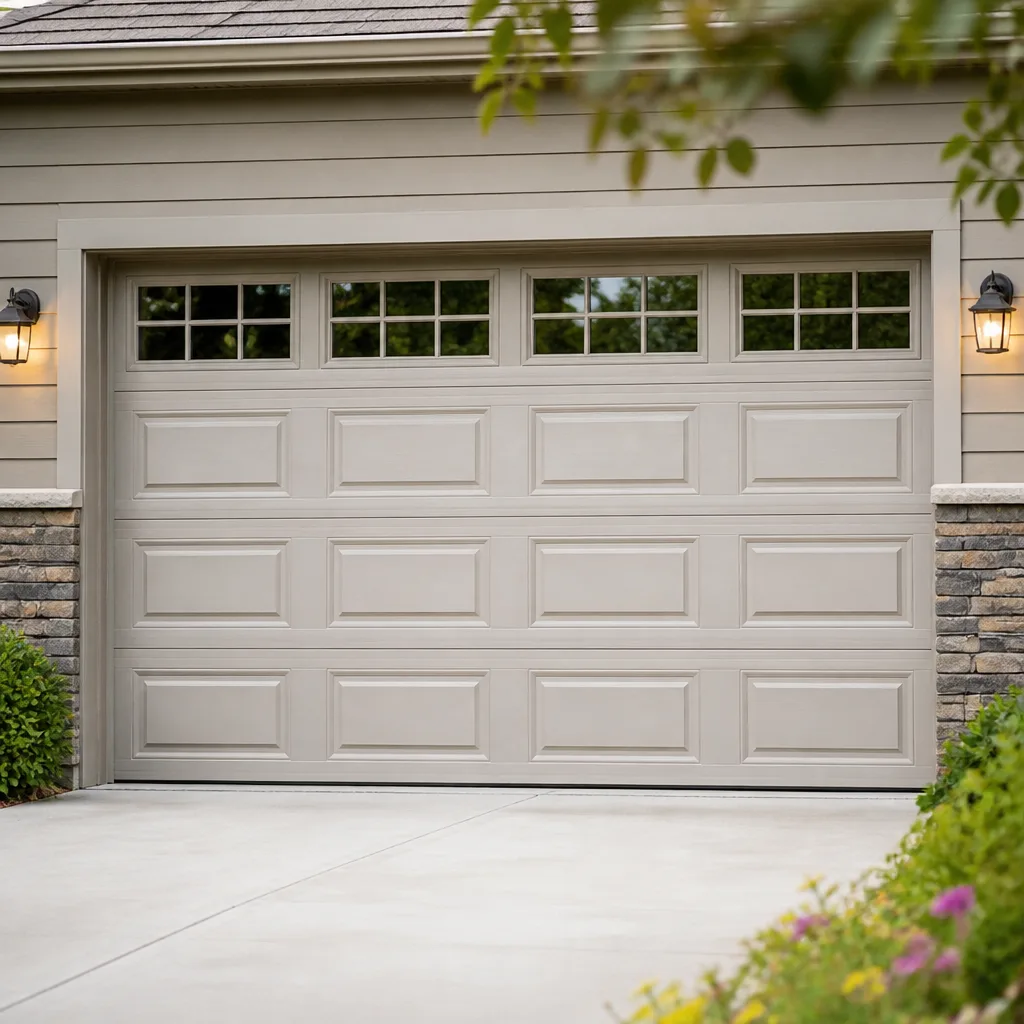 Raised-panel steel
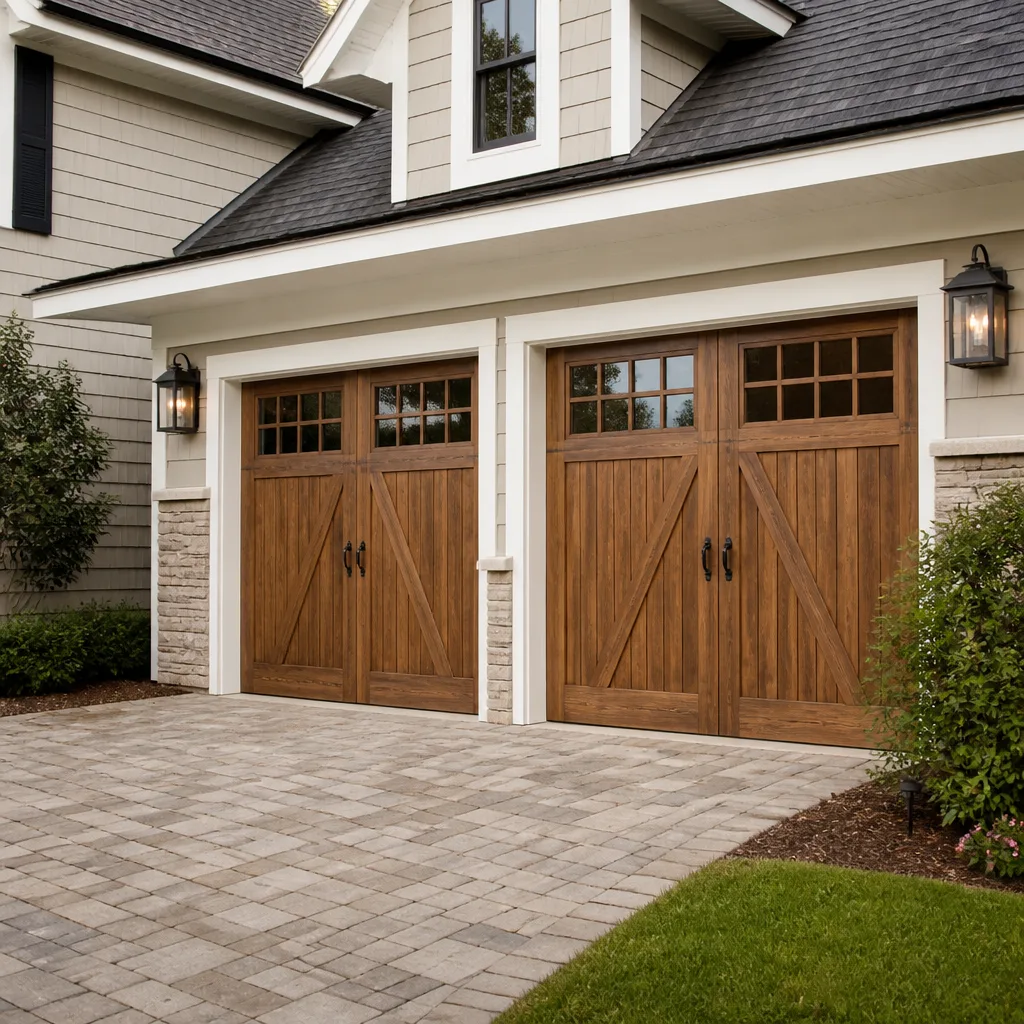 Carriage house
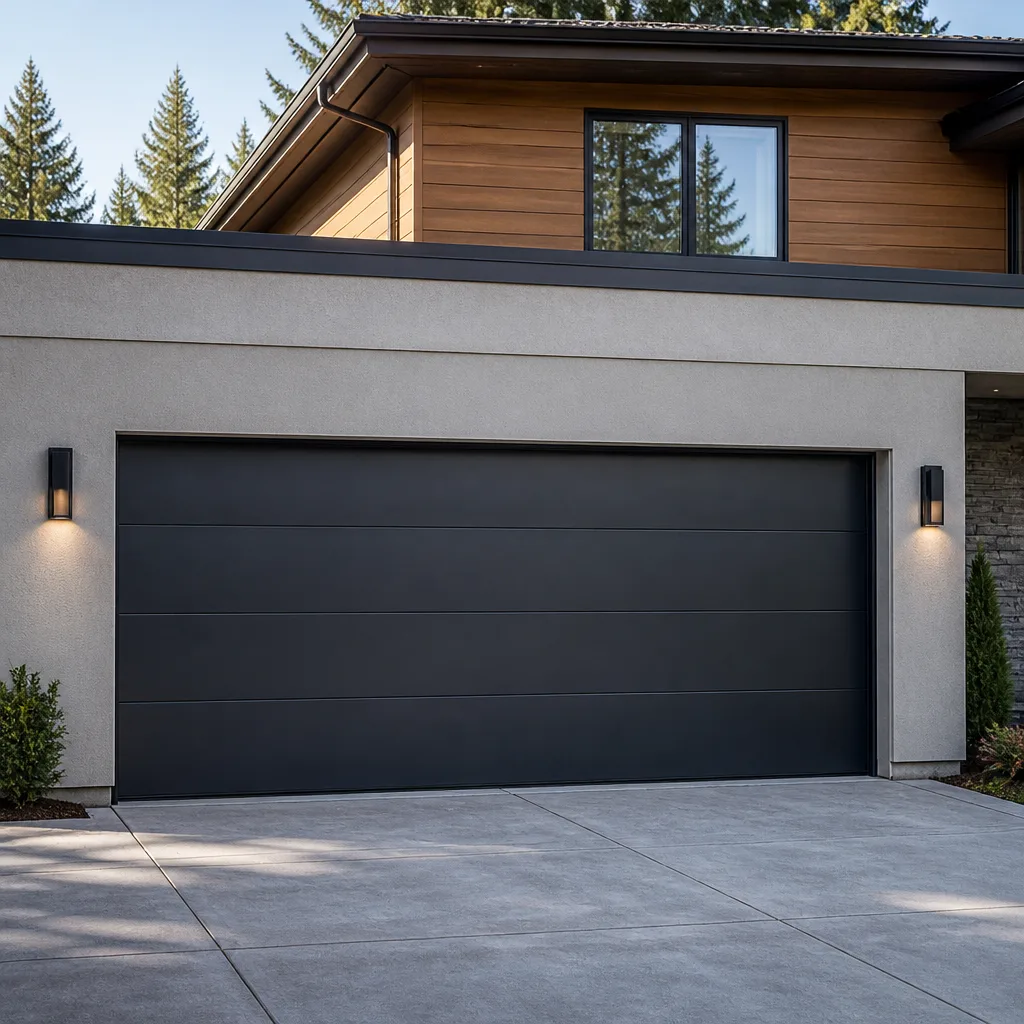 Modern flush
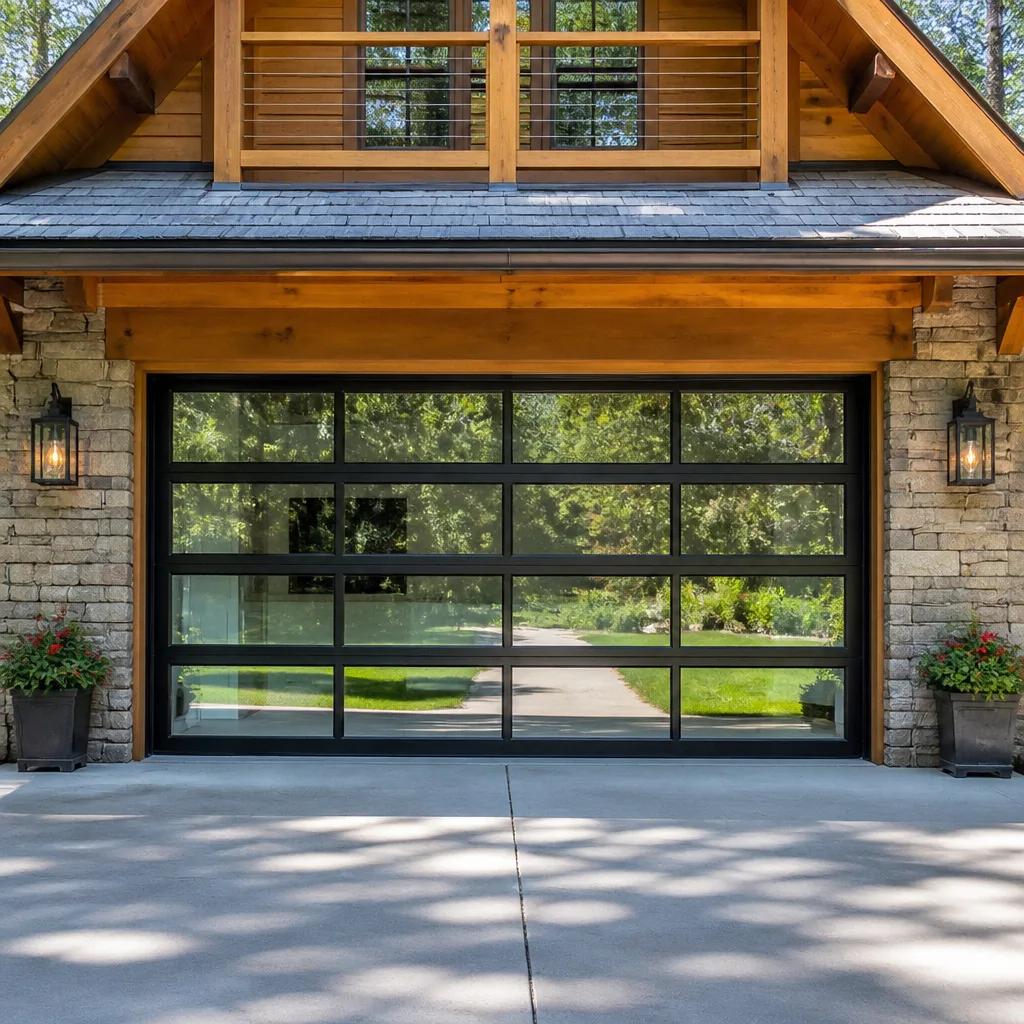 Full-view glass
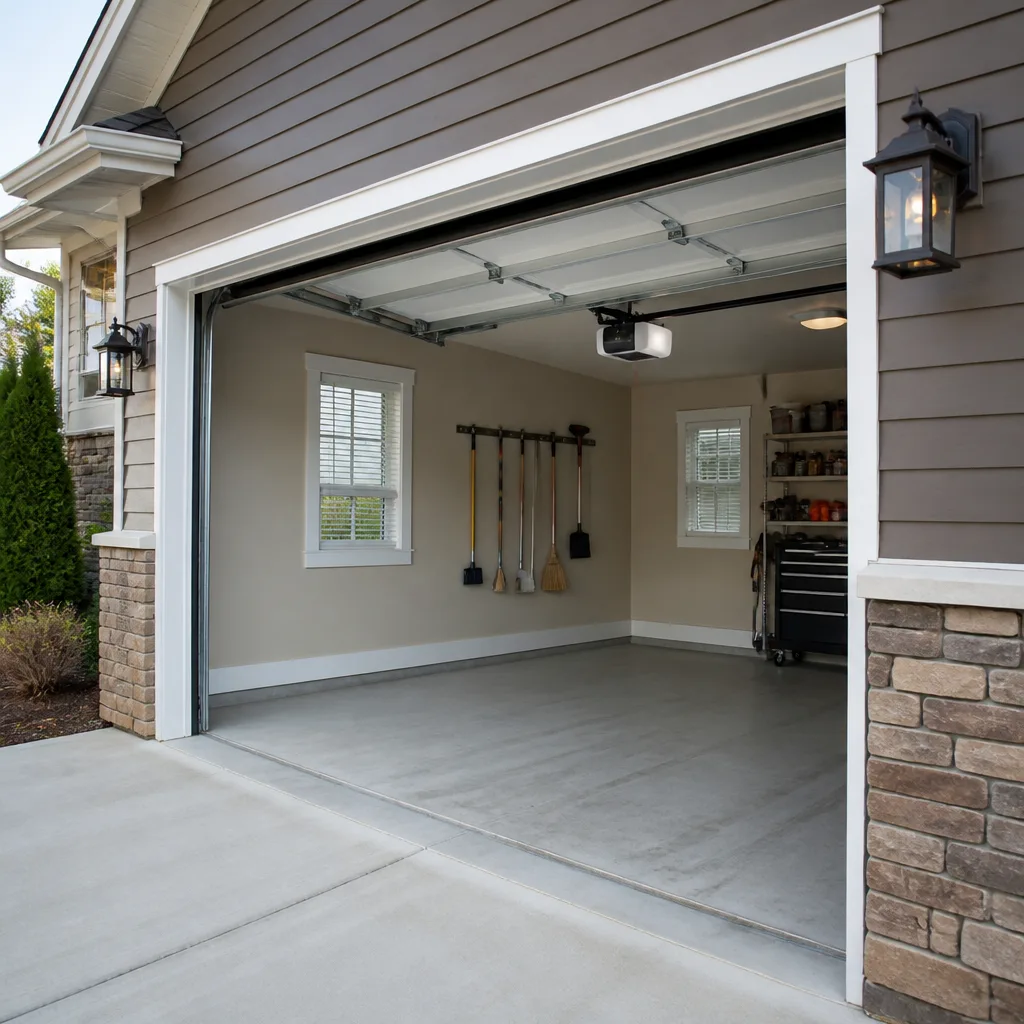 LiftMaster openers
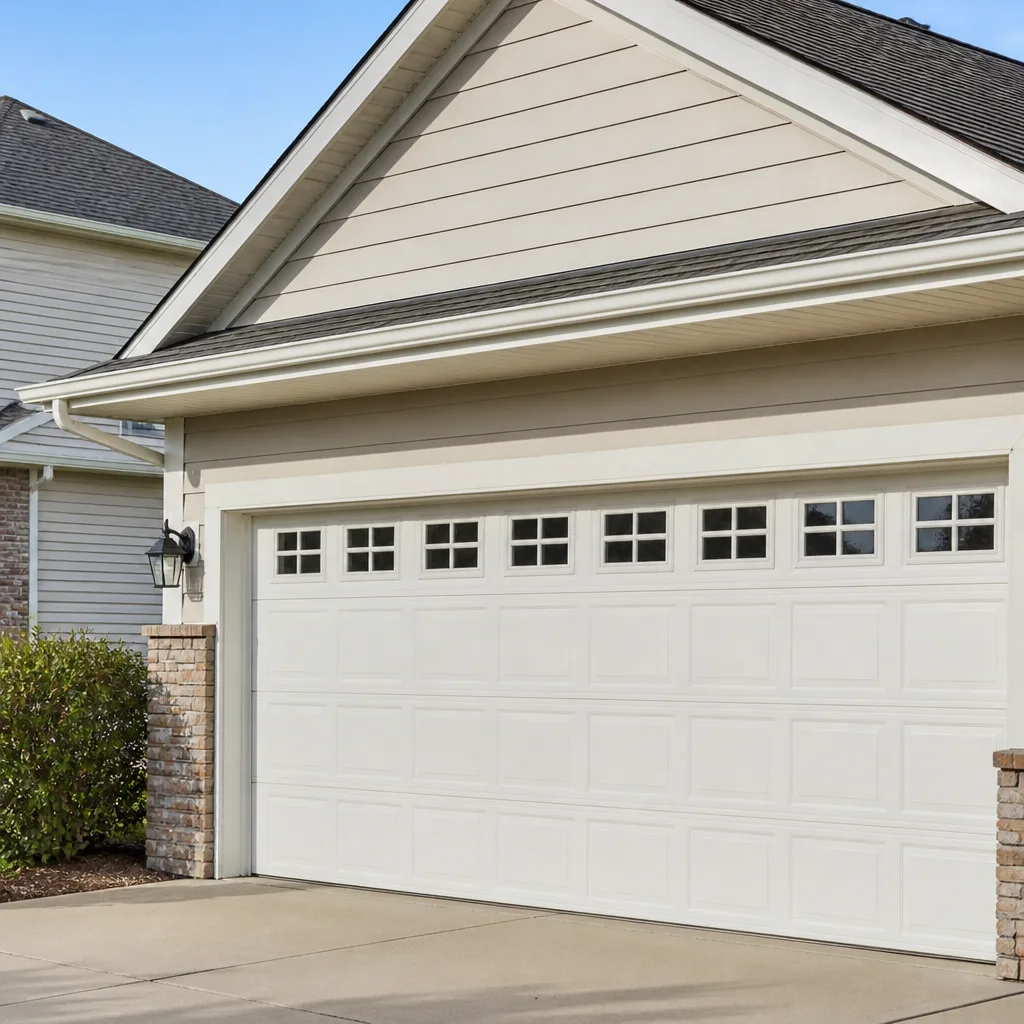 Chamberlain openers
Full 25-point door and opener safety check with every visit - springs, cables, rollers, tracks, and your LiftMaster or Chamberlain opener included
You get a price before we start. It does not change when the pro arrives.
Get your free estimateChoosing the Right Garage Door Brand: A Buyer’s Guide for Port St. Lucie
Here’s something no garage door ad will tell you: the country’s best-selling residential door brand sells several model lines that are not Florida Product Approved for St. Lucie County’s wind requirements. That single fact reshapes the whole buying decision. Prestige, national TV spots and dealer signage tell you almost nothing about whether a door is legal to install on your house or whether a technician can get its parts within days. This guide explains what actually matters for a Port St. Lucie homeowner: product approval, steel thickness, local parts supply, warranty fine print, and opener compatibility. You’ll finish knowing how to compare Clopay, Amarr, Wayne Dalton, Raynor and the rest against your county’s rules, and how to ask the right questions before you sign.
Quick Answer
The right garage door brand for Port St. Lucie is the one whose specific door model holds Florida Product Approval for St. Lucie County’s wind zone, whose parts are stocked somewhere in Florida rather than special-ordered from another state, and whose opener pairing is supported by technicians who service both brands. In most cases that’s a mainstream name like Clopay, Amarr, Wayne Dalton or Raynor with a local dealer network, paired with a LiftMaster or Craftsman opener. Brand prestige comes last. Compliance, parts access and serviceability come first.
Styles & brands we work with
- Raised-panel steel
- Carriage house
- Modern flush
- Full-view glass
- LiftMaster openers
- Chamberlain openers
Table of Contents
- Why Brand Choice in Port St. Lucie Is a Compliance Question
- How to Check Florida Product Approval for a Specific Door
- The Service Infrastructure Question: Where Are the Parts?
- Steel Thickness and Humidity: Why 24-Gauge Beats 25-Gauge
- Brand Warranty Realities in Florida
- Matching Opener Brand to Door Brand
- Comparing the Major Brands Sold in Port St. Lucie
- Common Mistakes to Avoid
- When to Call a Professional
Why Brand Choice in Port St. Lucie Is a Compliance Question
In much of the country, buying a garage door is a design and budget decision. In St. Lucie County, it’s a building code decision first. Wind load requirements here are enforced at the product level, which means the door you install has to be a specific model listed in Florida’s Product Approval database for the wind zone your home sits in. A beautiful door from a respected manufacturer can be entirely off the list. This catches homeowners off guard because the brand name on the brochure carries no approval by itself. Approval attaches to model and design pressure rating, not to the logo.
What does that mean practically? You can’t decide on a brand at the showroom and assume the installed door will pass inspection. The model number, glazing configuration, reinforcement and installation method all factor into whether that door is approved for your address. A dealer who sells the right brand but the wrong model line can leave you with a door that never should have been installed on that wall.
For a Port St. Lucie homeowner, this reframes the entire buyer’s guide. The business of choosing a brand becomes the business of choosing a brand that publishes clear approval documentation and has a dealer who understands how to read it. When we talk with homeowners in Port St. Lucie, we start with the exposure the house actually faces before we ever talk about style. That ordering matters. Start with approval and wind load, then narrow to the brands that clear that bar, then compare price, color and texture. Doing it backwards leads to expensive reversals. If you’re replacing a door on an older home, ask whether the existing door was ever approved for its wind zone in the first place, because plenty were not.
How to Check Florida Product Approval for a Specific Door
A brand can be nationally known and still not have approval for your model in St. Lucie County. Here’s how to verify a specific door, step by step, before you commit:
- Get the exact model number and design pressure rating. Ask the dealer for the model designation, glazing option and the design pressure number for the specific door configuration you’re buying. “Clopay” or “Wayne Dalton” is a brand, not a model. Approval is model-level.
- Look the model up in Florida’s Product Approval system. Florida maintains an online database of approved products. The manufacturer’s approval document (often called a NOA or product approval certificate) lists the specific model, wind speed rating and installation requirements. Ask to see the document for your exact configuration, not a similar one.
- Match the rating to your wind zone and exposure. The approval document tells you the design pressure the door is rated for. Your home’s wind zone and exposure category determine the pressure the door must withstand. A rated door installed in the wrong zone isn’t valid approval.
- Check installation requirements in the approval document. Many approvals specify reinforcement, anchor type, jamb conditions or specific track hardware. A door installed differently from the approval document may not pass inspection even if the model itself is listed.
- Ask your city or county building department what the inspection will require. St. Lucie County and Port St. Lucie permit offices, along with the city building department, are the final word on what they’ll accept. Ask what documentation the inspector wants to see at final inspection.
- Get the approval document before you sign. A dealer who can’t or won’t produce the product approval for your exact model should not get the deposit.
Brand selection becomes easy once you’ve done this. Amarr, Clopay, Wayne Dalton and Raynor all publish product approval documentation for wind-rated residential lines, though not every model in each catalog. The question isn’t “which brand?” It’s “which models from which brands have the paperwork for my house?” If you want the repair side of the same conversation, we cover it on our garage door repair page.
The Service Infrastructure Question: Where Are the Parts?
An approved door still has to be repaired someday. When a spring snaps or a panel gets damaged, the repair turnaround depends almost entirely on whether the brand’s parts are stocked somewhere nearby or shipped from a warehouse in another state. In our experience in Port St. Lucie, this separates otherwise similar brands more than any other factor.
Here’s how the two outcomes play out:
- Parts warehoused in Florida: springs, hinges, rollers, sections and track components can typically be picked up in days. Most repairs stay local.
- Parts special-ordered from out of state: common components like a specific hinge style, a section for a discontinued model or a brand-specific spring can take significantly longer to arrive, and some panels go on indefinite backorder.
- Brands with wide distribution and local dealer networks: LiftMaster and Chamberlain opener parts are widely carried because they’re the most installed platforms in the country. Door-side, brands with active Florida dealer networks tend to keep panels and components available.
- Brands with thin Florida distribution: repairs can stall on a single component, and you may end up buying a whole new door sooner than the door actually needed replacing.
So how do you check this before you buy? Ask your dealer a simple question: if a spring or section fails, can you get a replacement without shipping it in from another state? Any competent dealer knows the answer. Also ask whether the door and opener brand pairing has local parts access on both sides. That brings us to the opener side of the same question. Our garage door opener repair page covers how opener part availability shapes turnaround when you have a dead motor or a bad logic board.
What we’ve found: a homeowner with a Wayne Dalton door and a LiftMaster opener in Port St. Lucie usually has a much smoother repair cycle than a homeowner with an orphan brand whose nearest parts depot is three states away. Before buying, take five minutes and ask which door and opener brands have local parts in the Port St. Lucie market. Then ask for a repair timeline on a hypothetical broken spring. A dealer who answers “days” for their brand and “weeks” for a competitor has told you the real story.
Steel Thickness and Humidity: Why 24-Gauge Beats 25-Gauge
Two doors can carry identical pricing on a dealer’s quote and differ by a full gauge of steel thickness. In a humid climate, that difference shows up over time. So which steel should you buy? For most Port St. Lucie homeowners, a 24-gauge steel door outperforms a 25-gauge door of the same style at similar price, and the reason isn’t strength against impact – it’s how the panel deals with humidity, condensation and everyday dents.
Steel gauge runs backwards from what most people assume. Lower number means thicker steel. A 24-gauge door uses thicker steel than a 25-gauge door, and it costs a bit more to make. Some dealers quote the thinner door at a price close to the thicker one, and the buyer never sees the number. What to check:
- Gauge printed on the spec sheet, not the brochure. Ask for the gauge in writing on the quote. “Heavy-duty” and “commercial grade” mean nothing without the number.
- Section weights for each panel. A heavier top section helps the whole assembly feel solid and resist dents, which matters more in a climate with steady humidity year-round.
- Insulation and backing. A polyurethane-core door resists panel deflection better in heat than a pan-style door and helps keep the garage itself cooler through Port St. Lucie summers.
- Prepaint finish and warranties tied to it. The factory finish determines how the door handles Florida sun and humidity. Look for a prefinished steel line from one of the majors rather than an unfinished or lightly finished option.
Humidity does its work slowly. Doors get condensation on the inside panels during hot, sticky afternoons, especially when the garage is used for storage or laundry. Thicker steel with a better factory finish holds up better to that cycle, and hinges and rollers on a heavier door tend to stay in better adjustment. For a homeowner staying in a Port St. Lucie home for the long haul, the 24-gauge door usually pays back in fewer repairs. For someone selling in two years, a 25-gauge door in an approved model may be good enough. Ask the dealer to quote both gauges side by side and read the difference in the written price before deciding. Any door brand worth buying will have gauge specs published for every model line.
Brand Warranty Realities in Florida
Most garage door warranties that exist in other states remain intact in Florida, but only if the door was installed correctly, and many exclude corrosion-related failures. That combination matters more here than almost anywhere else. Here’s how to read a warranty before you rely on it.
Start with the installation clause. Almost every major brand – Clopay, Amarr, Wayne Dalton, Raynor – conditions its warranty on professional installation by a licensed installer using approved hardware and following the model’s installation instructions. A homeowner-installed door, or one installed by a handyman in a way that diverges from the approval document, can void the warranty on the same day it’s hung. Ask the dealer whether the installing technicians are licensed and insured, and get the installer’s identity in writing on your contract. Warranty valid or not, you need the installer to be an established local business in case something goes wrong.
Next, read the exclusion section for corrosion. Humidity-driven rust on hinges, rollers, springs and even door skin is often excluded or partially excluded, tied to a “reasonable expected life” of the component. Doors close to the ground and doors facing the harshest sun take the most wear. Ask specifically:
- Does the finish warranty cover corrosion on the steel skin itself, or only peeling?
- Are hinges, rollers and springs covered, and for how long?
- Does the warranty require an annual or periodic service record for the door hardware to stay valid?
- Is the warranty transferable if you sell the house? A Port St. Lucie buyer will weigh that, and so should you.
The main brand whose door warranty you’ll rely on is the door manufacturer’s, not the dealer’s. Some dealers layer on their own labor warranty on installation. Ask for the manufacturer’s warranty document, in writing, at quote time. Then plan on routine hardware service to keep the installation in good condition. If you’d rather have a technician inspect the hinges, rollers and springs on a door you already own, that’s what our Tundra Garage Door Repair team does.
Matching Opener Brand to Door Brand
Opener compatibility depends on the door’s weight and balance point, not on the brand logo alone. A mismatched door and opener system creates the long-term service headaches we see most often in Port St. Lucie. Here’s why, and what to do about it.
Every opener is rated for a door weight and every door has a weight class. A door sized for one opener may sit just over or just under its rated lift capacity. It’ll work for a while – then lift slower, then reverse unexpectedly, then need a service call. The homeowner assumes the door is the problem. In reality, the pairing was mismatched from day one. Florida-adopted codes and common OEM installation documents require the opener to be rated for the door weight it lifts, and many dealers will happily pair whatever door and opener they have on hand to close a sale.
Then there’s the electronics. LiftMaster, Chamberlain, Genie and Craftsman cover the vast majority of residential openers in circulation, and each has a slightly different approach to safety sensors, travel limits, remote programming and Wi-Fi or MyQ integration. A paired door and opener from the same manufacturer simplifies service calls because the dealer knows both sides. A mismatched pairing isn’t a dealbreaker, but a technician servicing it needs fluency in both.
What we’d suggest if you’re buying a new door: ask the dealer to quote the door and opener together and to confirm the opener’s rated weight against the door’s actual weight. If they look sideways at that question, that’s a signal. And if you already own a door and the opener is failing, the brand on that opener may be more important than the brand on the door. Craftsman, LiftMaster and Genie all remain serviceable when the parts are available and the technician knows the platform. Our team works across all three every week.
Comparing the Major Brands Sold in Port St. Lucie
No single brand is universally right, but the major names in the Port St. Lucie market split into clear categories depending on what you need. Here’s a comparison of the ones homeowners ask us about most.
- Clopay: Broadest residential catalog among the majors, with wind-rated lines available through Florida dealers. Strong product approval documentation and a wide range of styles. Good starting point if style and approval both matter.
- Amarr: Solid value lines with dealer networks across Florida, and wind-rated models that hold approval for St. Lucie County. Good balance of price and finish quality.
- Wayne Dalton: Known for insulated doors and a strong sectional lineup. Panels are usually available through Florida distributors, so repairs don’t stall.
- Raynor: Heavier and more commercial-leaning construction on many lines. A strong pick for homeowners who want a seriously thick door and are willing to pay for the weight.
- LiftMaster: The most widely installed opener brand in the country. Parts and Wi-Fi/MyQ electronics compatibility make it the easiest opener to keep serviced in a multi-brand market.
- Chamberlain and Craftsman: Same parent lineage in many cases and widely installed on existing homes. Parts remain findable, and technicians who work both are common.
- Genie: A large installed base, especially on older homes in Port St. Lucie. Serviceable when the technician knows the platform, which is exactly what we work on weekly.
We’re fluent in all of these: LiftMaster, Chamberlain, Genie, Clopay, Amarr, Wayne Dalton, Craftsman and Raynor. That matters because in this trade, brand fluency isn’t a sales pitch – it’s the difference between getting a repair done on the first visit or waiting on a special order. When you’re buying, the comparison question isn’t “which brand is the best?” It’s “which of these brands has a model that holds approval, in a gauge I’m comfortable with, with parts nearby and a technician who knows the electronics?” Our team answers that question every week across Port St. Lucie.
Common Mistakes to Avoid
- Buying by brand name only. Brands aren’t approved, models are. A homeowner who picks a brand and assumes approval misses the entire point of the check. Get the model-level product approval document before spending a dollar.
- Skipping the parts availability question. A door brand that can’t supply a replacement spring or section in less than weeks leaves you without a working door for far longer than a brand with local parts access. Ask before you sign.
- Choosing 25-gauge to save money on a long-stay home. The dollar difference at purchase is usually minor. In a humid climate, thicker steel and better finish last longer. Over a decade in a Port St. Lucie home, the 24-gauge door often wins on total cost.
- Assuming the warranty survives DIY installation. Most brand warranties on door installation require professional installation to remain valid. Handyman-installed doors can void the warranty the same day they’re hung.
- Overlooking the corrosion exclusion. A finish warranty that excludes rust on hinges and hardware doesn’t mean much in a humid climate. Read the exclusions before you assume the warranty covers what fails first.
- Mismatching opener weight rating and door weight. The opener should be rated for the door it lifts, or the whole system will need attention sooner than it should. Ask the dealer to confirm the pairing in writing.
- Ignoring the opener brand entirely when buying a new door. If your existing opener is a brand with strong electronics support – LiftMaster and Chamberlain lead here – keeping it can simplify the whole installation. Ask whether your opener is a good match for the new door, not just whether the new door fits the opening. Then, plan the door and opener on the same timeline so nobody shows up to a partial installation.
When to Call a Professional
Some decisions favor a professional garage door technician, and this buyer’s guide has touched on most of them. Call a professional if the door you’re considering needs product approval verification for St. Lucie County and you don’t have the model numbers yet. Call if a spring has broken on an existing door and you’re deciding whether to repair or replace. Call if a panel is damaged and you need to know whether the brand can still supply a matching section. Call if an opener is failing repeatedly and you want a technician to verify the door and opener pairing rather than swap parts. And call if the door is out of adjustment, off its track or binding, because a binding door stresses the opener and the springs until both fail.
Springs and cables are under extreme tension. We don’t recommend homeowner replacement of either – that’s technician work. Tundra Garage Door Repair offers free estimates in Port St. Lucie – call (833) 847-0310. We work across all eight major door and opener brands, so whatever the door in your garage is, we can tell you what the repair or replacement actually needs. Estimates are free, and we answer 24/7. Fast dispatch from 7am to 7pm, Sunday through Friday.
See the difference
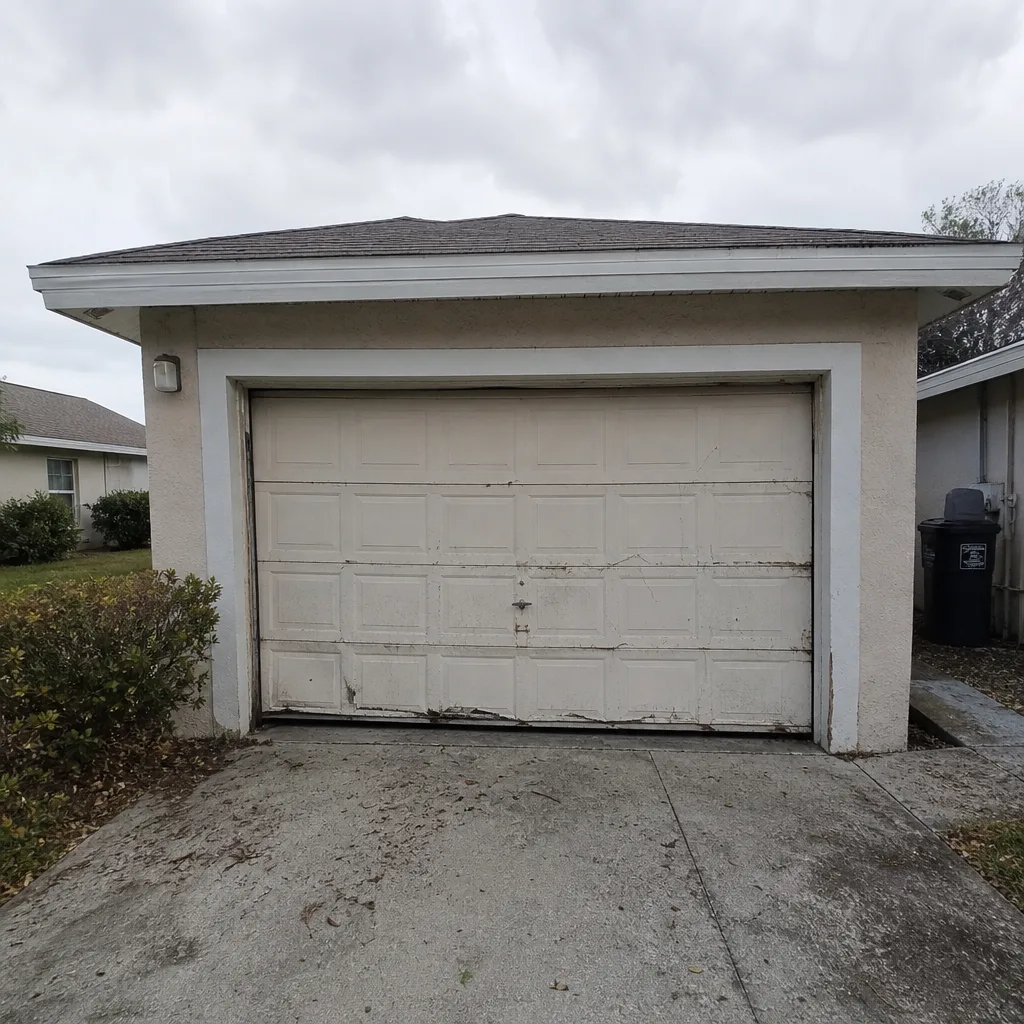 Before
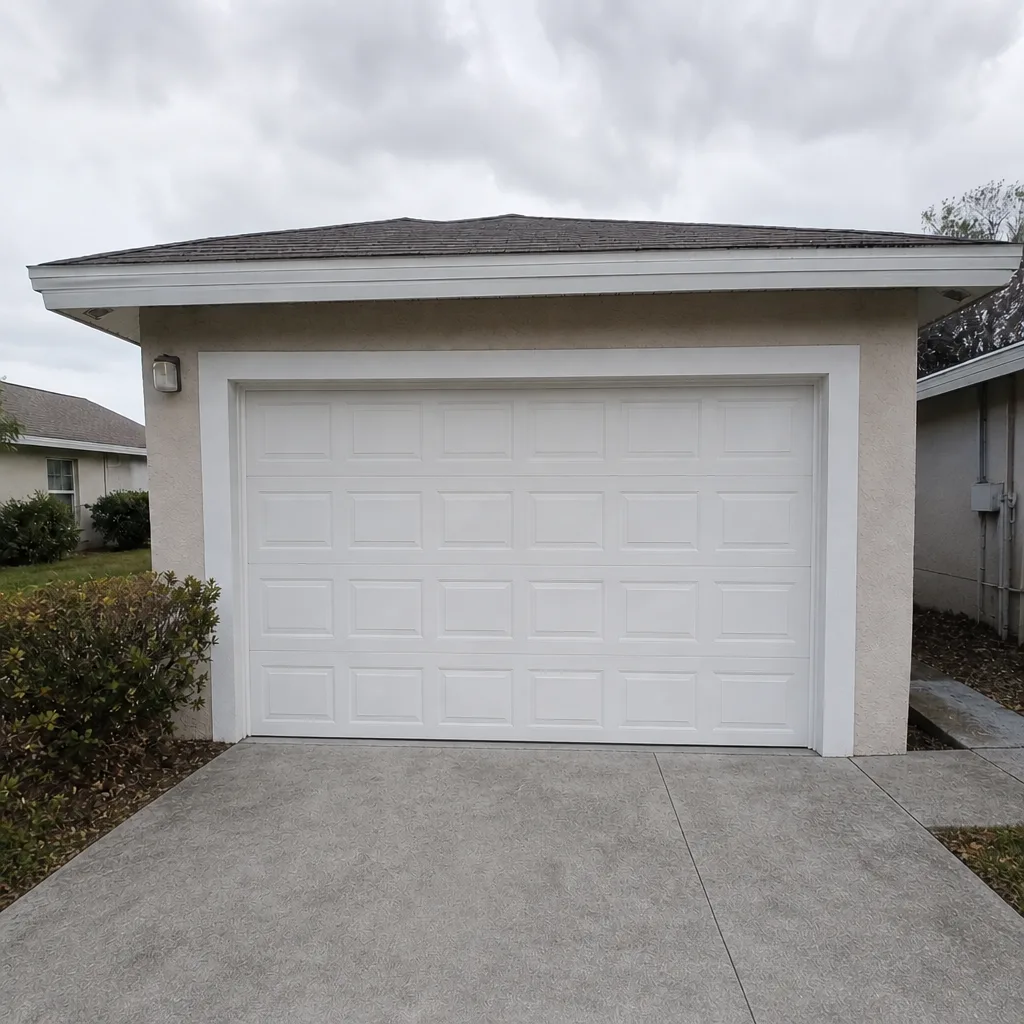 After
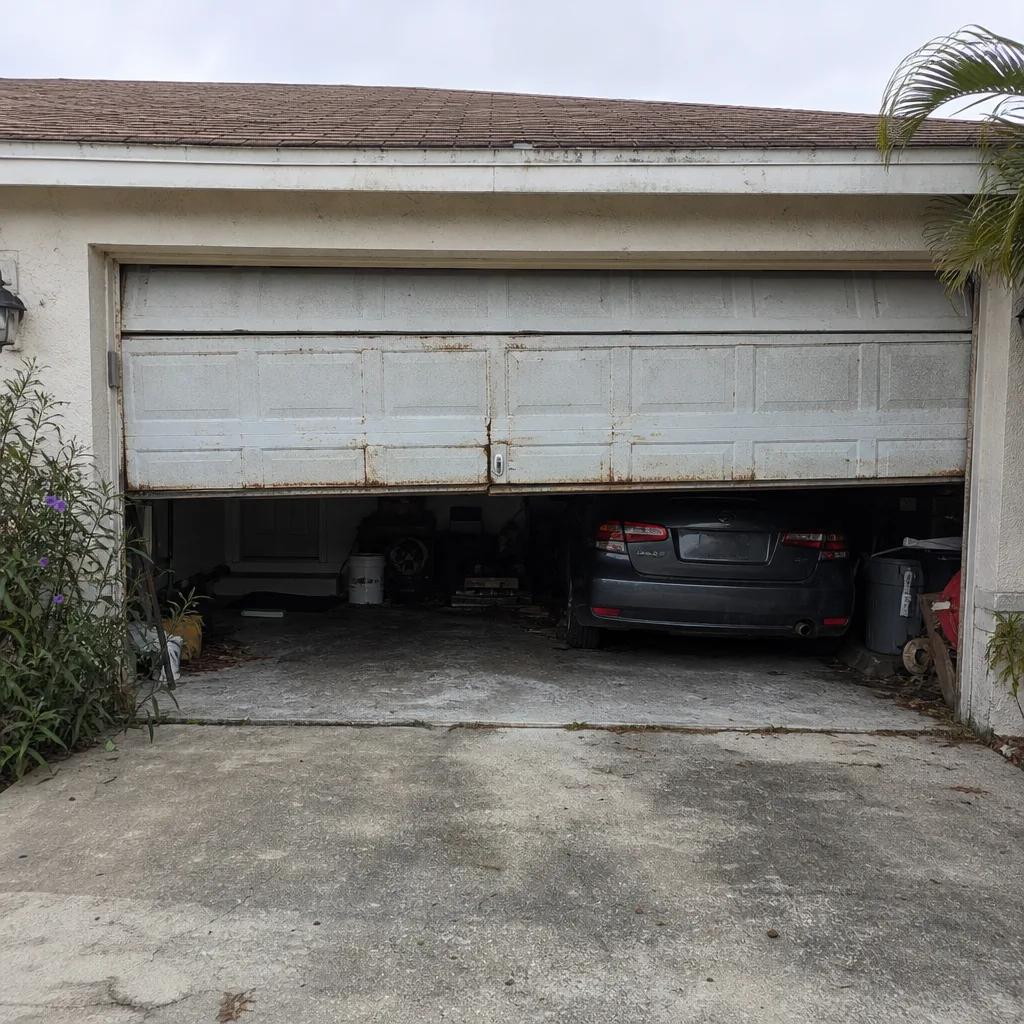 Before
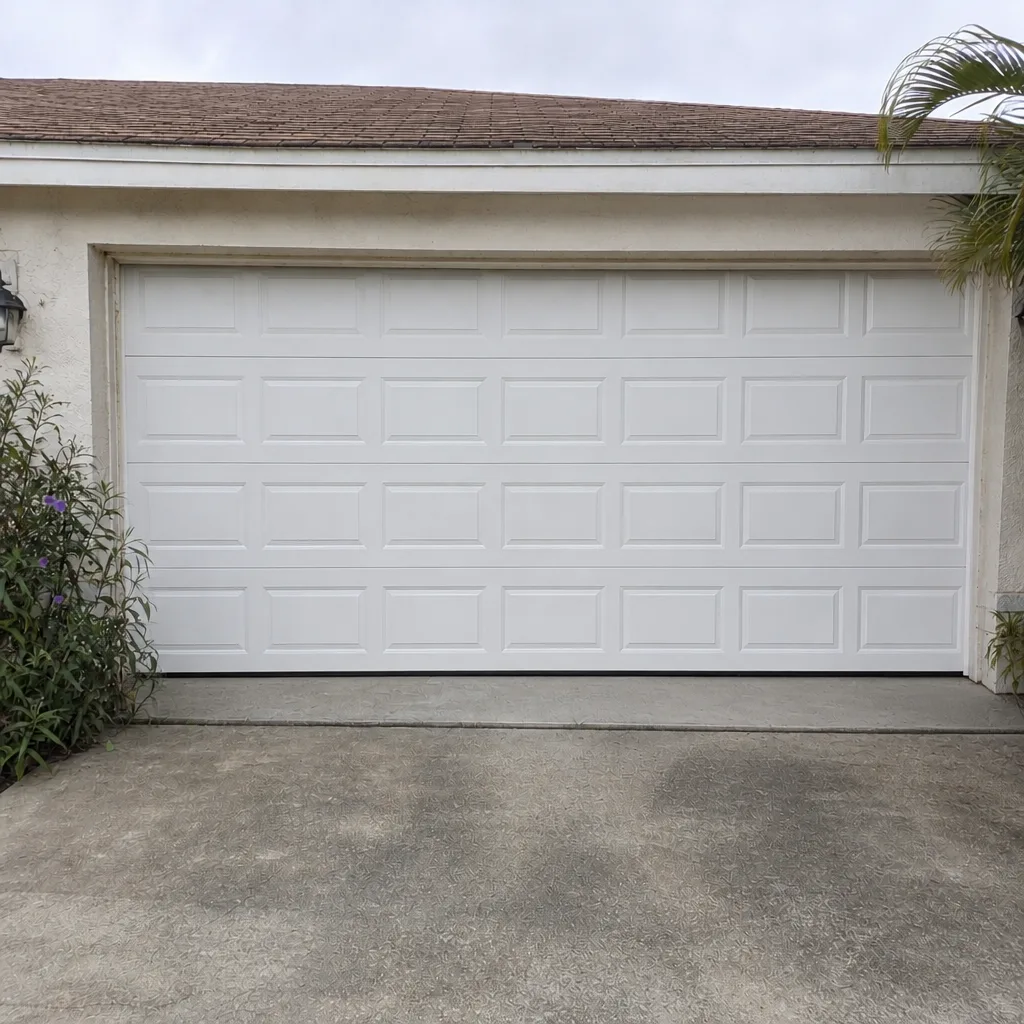 After
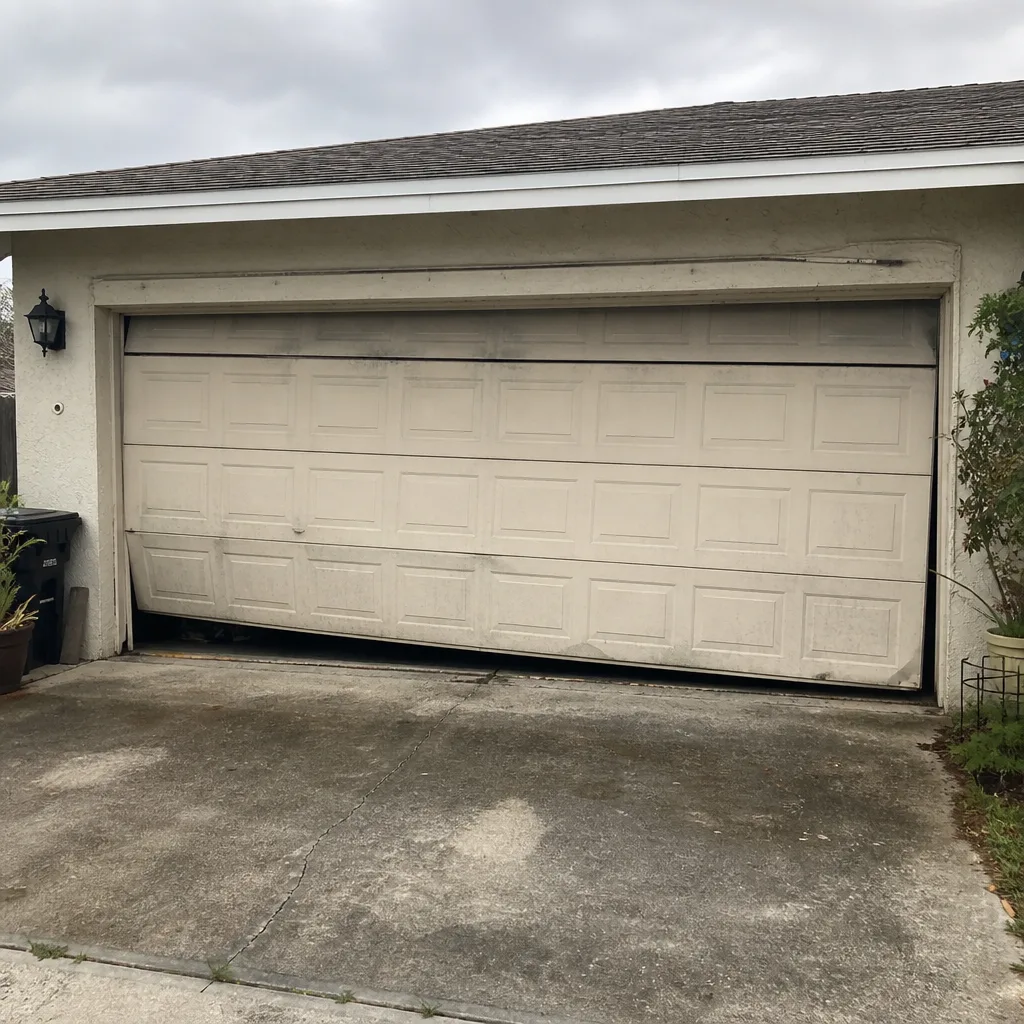 Before
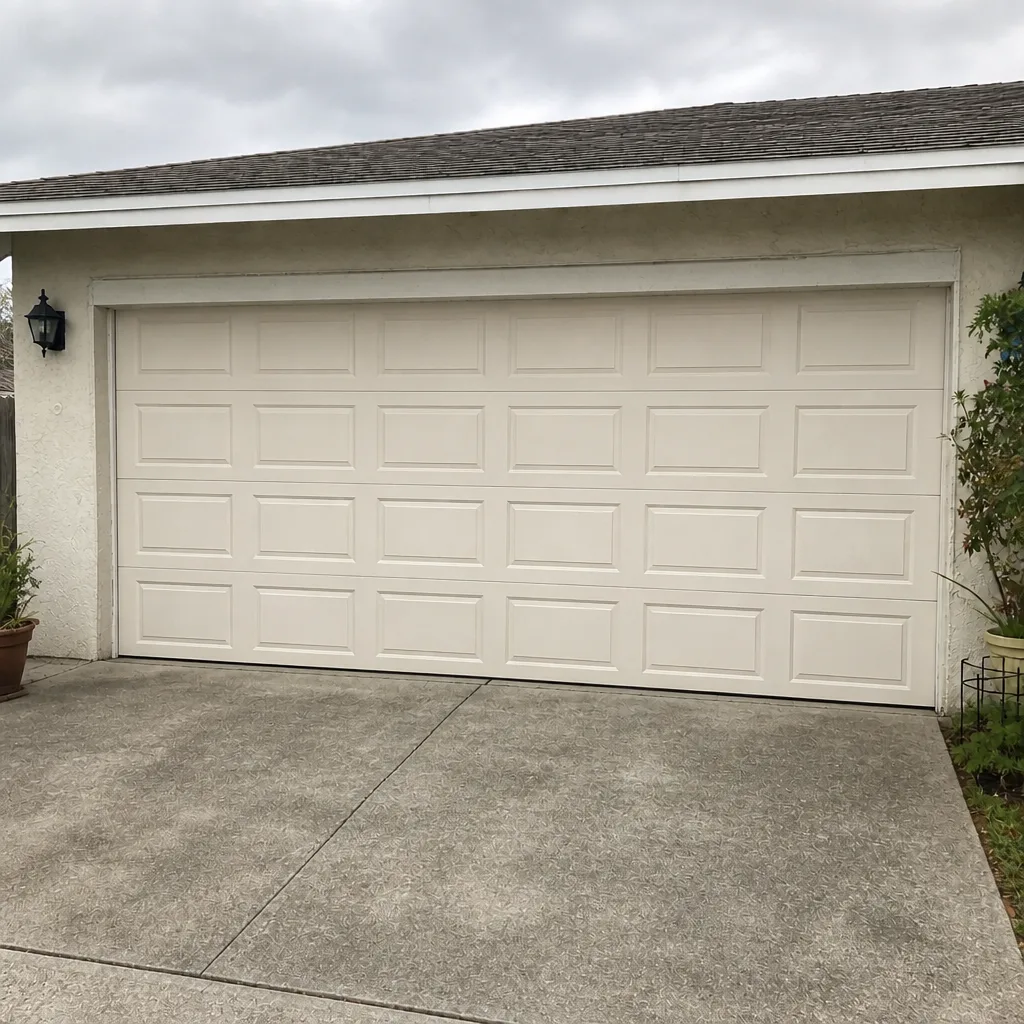 After
Frequently Asked Questions
Yes. Clopay has wind-rated residential door models that hold Florida Product Approval for St. Lucie County, and the brand has active dealer coverage in the area. The catch is that approval attaches to specific models and configurations, not to the Clopay name. Ask the dealer for the product approval document for your exact model, glazing option and design pressure before you sign. If they can’t produce it, that’s your signal. Call (833) 847-0310 for an estimate – free.
There’s no single best brand, but the strongest candidates are ones with Florida-approved models, local parts access and technicians who know the platform – Clopay, Amarr, Wayne Dalton and Raynor cover most homeowner needs. Brand prestige matters far less than whether the specific model is approved for your wind zone and whether parts can be sourced in Florida. Any of these brands is a reasonable answer once the paperwork checks out. Call (833) 847-0310 and we’ll tell you what we’ve seen work in Port St. Lucie homes – estimates are free.
Lower gauge number means thicker steel, and 24-gauge outperforms 25-gauge over time in humid climates because thicker steel with a better factory finish resists condensation damage, dents and hinge wear. The two can sit at nearly the same price on a dealer quote, so the number on the spec sheet is worth reading closely. Ask for the gauge in writing. If you have a door you’re unsure about, call (833) 847-0310 – we can inspect springs, rollers and panels and give you a free estimate.
Usually not. Most major garage door warranties condition coverage on professional installation by a licensed installer following the manufacturer’s approved method. Homeowner or handyman installation often voids the warranty the same day it’s hung. Beyond the warranty, an out-of-spec installation can also fail inspection on wind-rated doors, since the approval document specifies installation requirements. That’s the practical case for licensed installation even when a homeowner is capable. Call (833) 847-0310 for a free estimate on installation so the warranty and the paperwork both hold up.
Not match, but be rated for the door’s weight. The important pairing is technical, not cosmetic: the opener has to be rated for the weight of the door it lifts, and the manufacturer’s installation documents tie the two together. LiftMaster, Chamberlain, Genie and Craftsman equipment covers most residential doors once that weight pairing is right. If your opener is running inconsistently, that’s the first thing a technician will check. Call (833) 847-0310 – free estimates, and we answer 24/7.
The price should be the price on the written estimate. A typical single-spring replacement runs roughly $180 to $340 depending on the spring, door weight and access, and a matched pair is usually replaced together, so it costs about twice that. The important piece is that the estimate is quoted and agreed before any work starts. If a quote balloons later, ask what changed and ask for the written revision before work continues. Call (833) 847-0310 for a free written estimate on your actual spring.
The Bottom Line
Buying a garage door brand in Port St. Lucie is a compliance and serviceability decision before it’s a style decision. Start with Florida Product Approval for your exact model – not the brand name – and match it to your wind zone and exposure. Then check steel gauge, parts availability and the warranty fine print, especially the installation requirement and corrosion exclusion. Match the opener weight rating to the door, and pick a brand whose opener electronics a technician can actually work on. Prestige and advertising won’t fix a broken spring at 7am. Clopay, Amarr, Wayne Dalton and Raynor give you the strongest starting point when the paperwork checks out, and a trained technician can service all of them alongside LiftMaster, Chamberlain, Genie and Craftsman openers. Buy on the paperwork and the parts timeline, not the logo.
Contact Tundra Garage Door Repair
We work on the brand you already own, and we work on the one you’re about to buy. Whether you’re comparing a new Clopay model against a Wayne Dalton door, sizing an opener against your current door, or repairing a broken spring on an Amarr panel in a Port St. Lucie home, one call covers it all. Our technicians have up to 12 years of experience across LiftMaster, Chamberlain, Genie, Clopay, Amarr, Wayne Dalton, Craftsman and Raynor. Call (833) 847-0310 for a free estimate. We answer 24/7. Fast dispatch from 7am to 7pm, Sunday through Friday. Prices are set per job by written estimate, and the price on that estimate is the price before any work starts.
Written by the team at Tundra Garage Door Repair.