
Last updated November 15, 2026
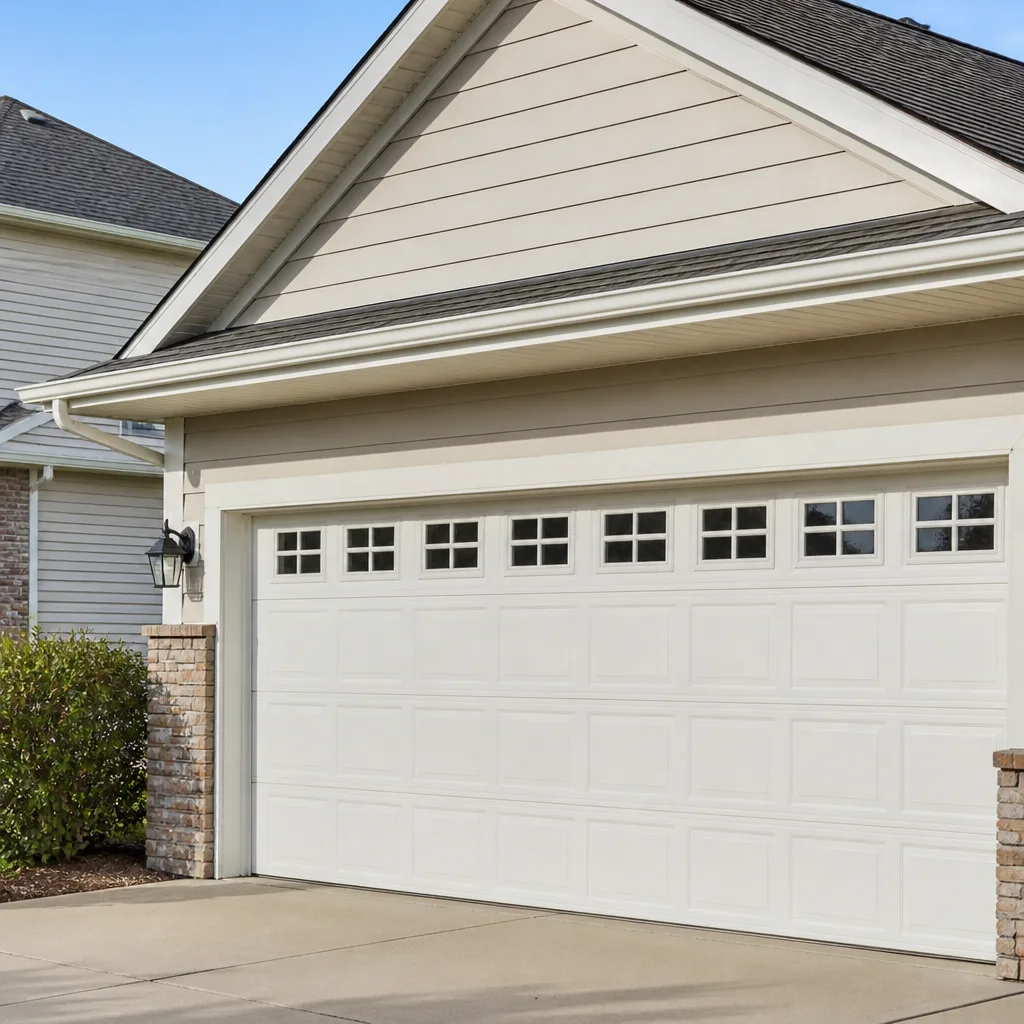
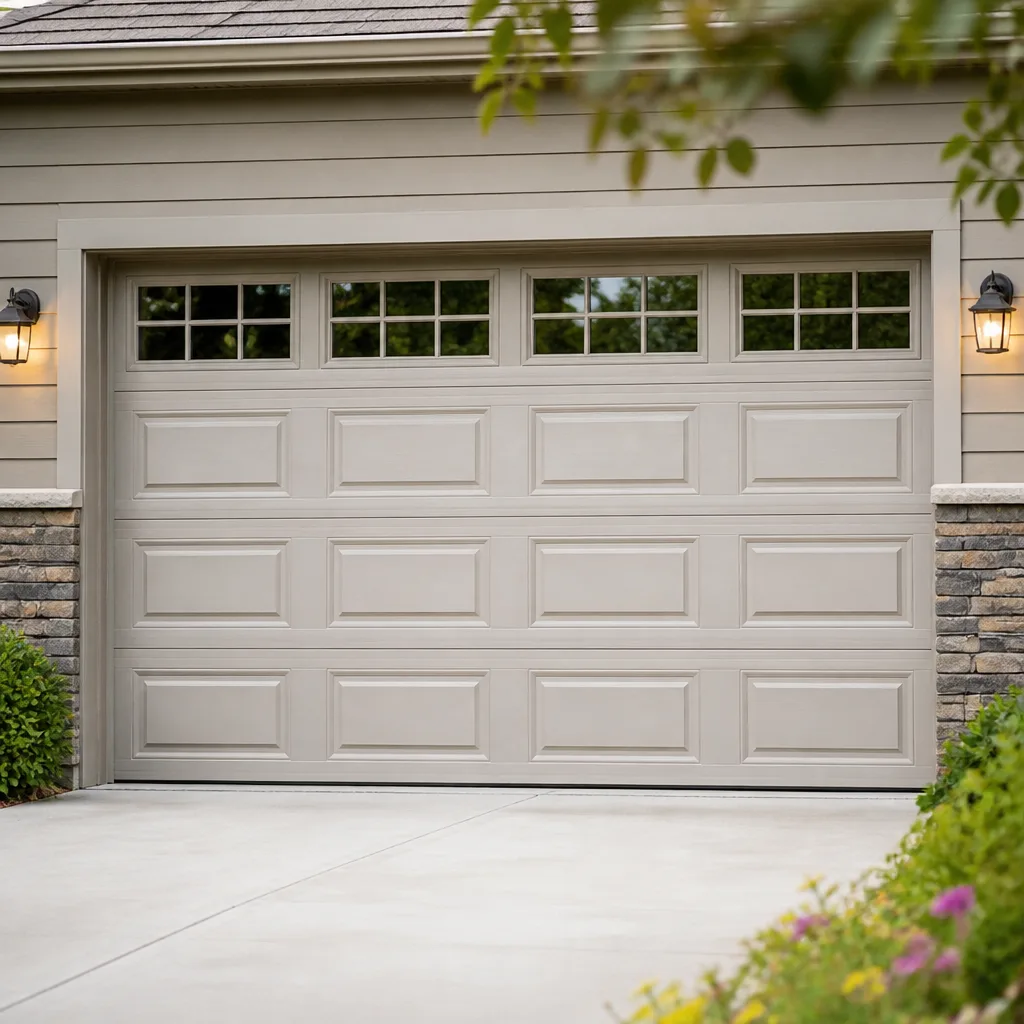 Raised-panel steel
 Carriage house
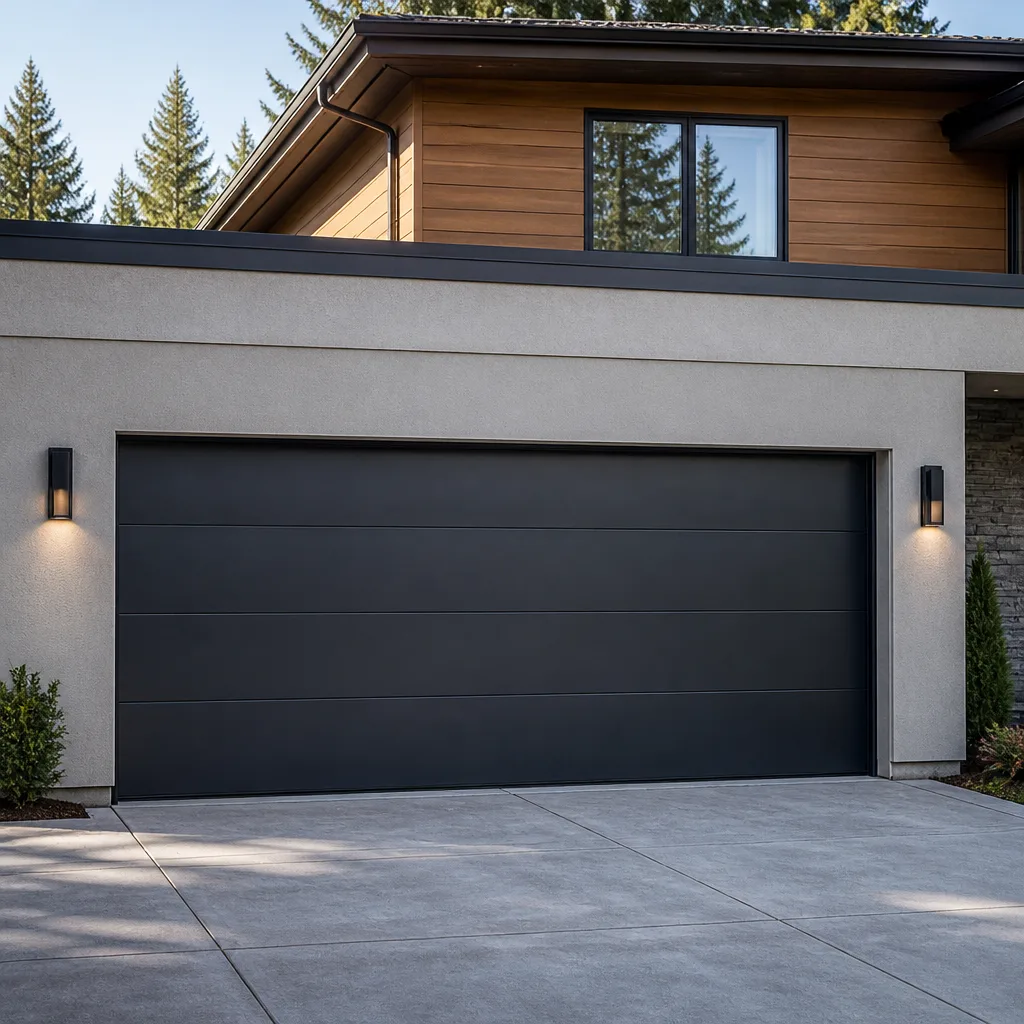 Modern flush
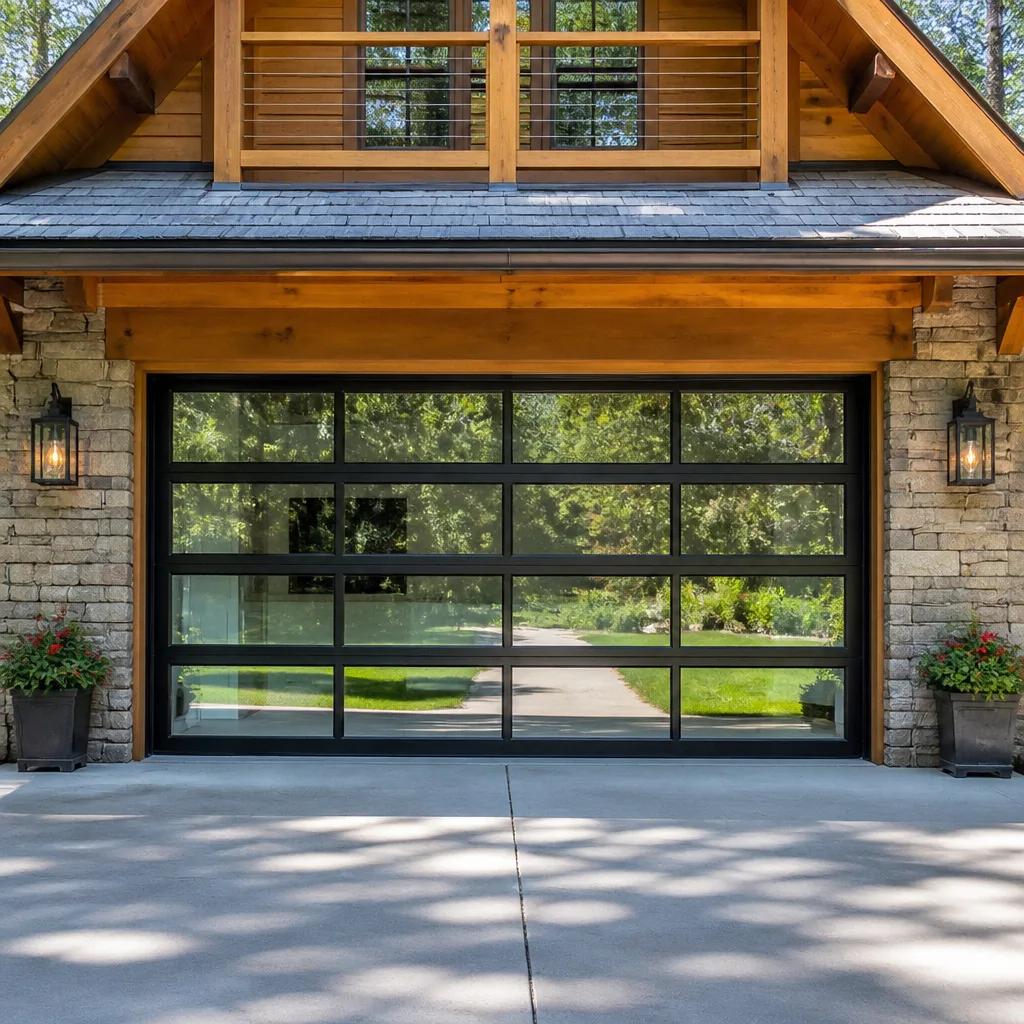 Full-view glass
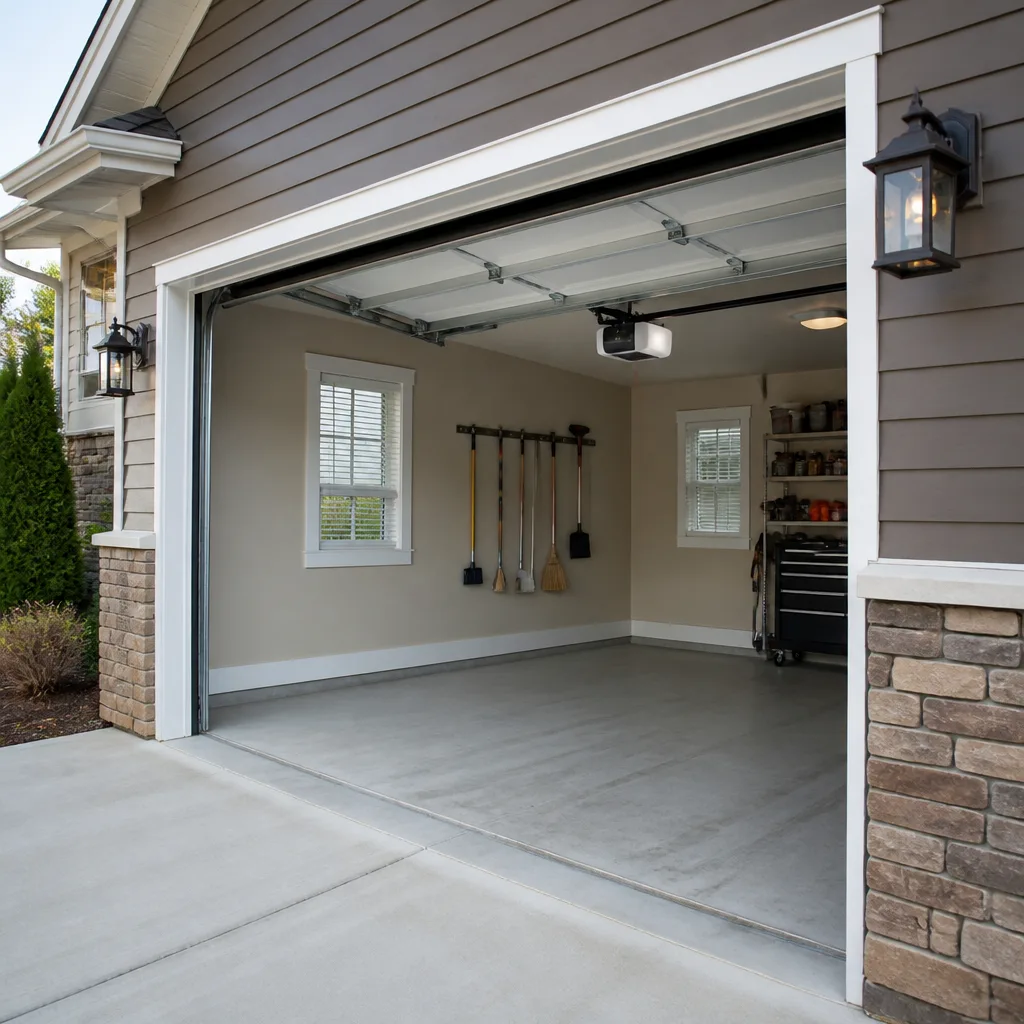 LiftMaster openers
 Chamberlain openers
Full 25-point door and opener safety check with every visit - springs, cables, rollers, tracks, and your LiftMaster or Chamberlain opener included
You get a price before we start. It does not change when the pro arrives.
Get your free estimateSeasonal Garage Door Care for Port St. Lucie: Year-Round Homeowner’s Guide
Most seasonal garage door guides were written for climates with four distinct seasons, and they tell you to winterize. Port St. Lucie doesn’t work that way. Here, the year splits into two seasons that matter to a garage door: a long dry season of heat and sun, and a wet season of heavy rain and humidity. Each one stresses your door and opener in completely different ways. The heat bakes lubricant off the moving parts and pushes the opener motor harder than it was designed for. The wet season finds every gap in your bottom seal and works moisture into tracks and wooden panels. This guide walks you through what to check, when to check it, and how to build a record of your door’s condition that actually extends its life in Port St. Lucie.
Quick Answer
Seasonal garage door care in Port St. Lucie follows two seasons, not four. Before June, inspect and document your door for storm readiness and insurance purposes. Through the wet season (June to September), watch the bottom seal, track drainage, and humidity exposure around the opener. Through the dry season (October to May), manage UV damage to panels, re-lubricate moving parts as heat evaporates it, and give the opener motor a chance to recover. Timing maintenance to that calendar, instead of arbitrary spring and fall labels, is what keeps a door working through both.
Styles & brands we work with
- Raised-panel steel
- Carriage house
- Modern flush
- Full-view glass
- LiftMaster openers
- Chamberlain openers
Table of Contents
- Why Port St. Lucie Has Two Garage Door Seasons
- Pre-Hurricane Season Prep: What to Inspect in June
- Wet Season Care: Seals, Tracks, and Opener Humidity
- Dry Season Care: UV, Lubricant, and Opener Heat
- Your Annual Garage Door Calendar for Port St. Lucie
- How to Document Condition and Build a Service History
- Common Mistakes to Avoid
- When to Call a Professional
Why Port St. Lucie Has Two Garage Door Seasons
A garage door in Port St. Lucie lives a different life than one in a four-season climate. There’s no freeze to contract metal and no salt spread on driveways. What you have instead is a long stretch of heat and sun followed by a wet season of rain and heavy humidity. Each one attacks a different part of the system.
The dry season runs roughly October through May. Day after day of sun loads heat into metal panels and into the opener motor housing. It also dries out lubricant on hinges, rollers, and springs faster than cool-climate maintenance schedules assume. By the time June arrives, a door that hasn’t been touched since the previous fall is often running on dry metal. That’s when parts start to squeal, bind, and wear.
The wet season, June through September, reverses the pressure. Rain drives against the door, humidity sits in the garage, and every weakness in the bottom seal becomes an entry point for water. Tracks that aren’t draining properly hold moisture. Wooden panel construction, if that’s what your door uses, can absorb that moisture and warp quickly when the wet season settles in.
Understanding which season you’re in tells you what to look at. A generic “spring tune-up” guide misses the point here. The useful question isn’t what month it is on a national calendar. It’s whether you’re heading into storm season or coming out of it. Everything in the rest of this guide follows from that split.
Pre-Hurricane Season Prep: What to Inspect in June
June is the month to get your garage door ready for storm season, and the work splits into three jobs: inspect, reinforce, and document. Do them in that order.
- Inspect the whole system. Walk the full width of the door and look at each panel for dents, cracks, or separation at the seams. Check that the door sits flush with the floor when closed, with no daylight coming under the bottom seal. Pull on the manual release and lift the door by hand: it should move smoothly and stay put when you let go about halfway up. A door that slams down or feels unusually heavy points to a spring problem that should be looked at before storm season.
- Reinforce where it’s appropriate. Check that the track brackets and hinges are tight. Look at the horizontal tracks for sagging or gaps at the mounting points. If your door has vertical reinforcement struts, confirm they’re fastened. Anything loose should be tightened now, not during a storm warning.
- Document the condition. Photograph every panel from the inside and outside, the tracks, the springs, the opener unit, and the bottom seal. Date the photos. Keep them with your homeowner’s insurance paperwork. If storm damage ever happens, a clear before-picture makes the claim conversation much simpler.
One caution before you start tightening things yourself: springs, cables, and the brackets under tension are the genuinely dangerous parts of a garage door. A wound torsion spring stores enough force to cause serious injury if it releases unexpectedly. If inspection turns up a frayed cable, a stretched spring, or a gap in the track, leave it and call a professional. And if your door needs a full replacement rather than a repair, that work is measured and ordered, not done on the spot, so start that conversation before storm season rather than during it.
Wet Season Care: Seals, Tracks, and Opener Humidity
From June through September, water is the enemy, and it finds three openings: the bottom seal, the tracks, and the air around your opener.
The bottom seal
The rubber or vinyl strip along the bottom of your door is the first line of defense. Run your hand along it when the door is closed and feel for hardening, cracking, or sections that have pulled away from the retainer. A seal that’s lost its flexibility lets water in under the door and onto the garage floor. In a Port St. Lucie wet season, that happens more than once. If the seal is brittle or has visible gaps, replacement is a straightforward job and worth doing before the heaviest rain arrives.
Track drainage
Water that gets past the seal has to go somewhere. Check that the floor slopes slightly toward the driveway or a drain, and look for standing water along the base of the door after a storm. If water pools, the seal, the threshold, or the slope is the cause. Also check that the vertical tracks aren’t holding water in the low spots; debris and leaf litter collect there and keep the metal wet.
Opener humidity exposure
An opener mounted on the ceiling of a humid garage is breathing moist air all season. That’s hard on circuit boards and on the logic board in particular. If your opener is a LiftMaster, Chamberlain, or Genie unit, the electronics are sealed well enough for normal conditions, but heavy condensation and poor airflow shorten their life. Keep the garage ventilated when you can. If the opener starts behaving inconsistently (lights flicker, the door reverses for no reason, or the remote needs repeated presses), that’s a sign the electronics are struggling, and it’s worth having it looked at rather than waiting for a full failure.
The wet-season goal is simple: keep water out, keep air moving, and catch problems while they’re small. A seal replacement now is cheaper than a rotted bottom panel later.
Dry Season Care: UV, Lubricant, and Opener Heat
October through May brings the opposite challenge. Sun, heat, and dry air put stress on the parts of your garage door that most guides ignore.
UV damage to panels
Sun hits the outside face of your door for hours a day through the dry season. Steel panels hold up well, but the finish can chalk and fade, and painted surfaces gradually lose their protective layer. Wooden panels are more vulnerable: UV breaks down the finish and dries the wood, which then absorbs moisture unevenly when the wet season returns. If your door is wood or a wood-look composite, a fresh coat of exterior finish before the dry season gets going is worth the effort. On steel doors, check for chalking or dulling and treat it as a sign the finish needs attention.
Lubricant evaporation
Heat drives lubricant off hinges, rollers, and the spring. A door that ran quietly in the cool months starts squeaking and binding by February. The fix is straightforward: apply a garage-door-specific lubricant to the hinges, roller stems, and spring coils, not to the tracks. Tracks should be wiped clean and left dry; lubricant in the tracks attracts dust and grit and makes the rollers slide instead of roll. In Port St. Lucie, plan to re-lubricate more often than the once-a-year schedule you’ll see in national guides. Twice through the dry season is a practical baseline.
Opener heat stress recovery
The opener motor works harder in heat. Metal expands, tolerances tighten, and the motor runs at higher temperatures. If the opener cut out during a hot afternoon the previous summer, that’s a heat-related protection feature, not a failure. Give it a clean start to the dry season: check that the housing isn’t clogged with dust or debris, that the unit has airflow around it, and that the chain or belt isn’t over-tightened. A Clopay door paired with a smart opener like a Chamberlain or LiftMaster unit will usually run fine through the heat, but only if the mechanical load on it is light. A binding door forces the opener to work harder, and heat makes that worse.
Your Annual Garage Door Calendar for Port St. Lucie
Here’s the maintenance calendar that matches Port St. Lucie’s actual weather, not a national template.
- Late May / early June (before storm season): Full inspection. Check panels, seals, tracks, springs, cables, and hardware tightness. Photograph and document everything. Replace a worn bottom seal now. Schedule any repairs that need parts or replacement.
- June through September (wet season): After each significant storm, check for water intrusion at the door base. Wipe tracks dry if water gets in. Listen for changes in how the door sounds when it opens and closes. Have the opener checked if it behaves erratically.
- October (start of dry season): Clean and re-lubricate hinges, rollers, and springs. Wipe tracks clean and leave them dry. Inspect the exterior finish for UV damage. Check the opener housing for dust and airflow.
- January / February (mid dry season): Second lubrication pass. Re-check the bottom seal for heat-related hardening. Test the safety reverse feature by placing an object in the door’s path and confirming the door reverses. Test the photo-eye sensors on both sides.
- April / May (end of dry season): Third lubrication pass if the door gets heavy use. Check springs for visible stretching or rust. Re-inspect the finish. Start the pre-storm prep cycle again in late May.
This isn’t a rigid schedule. A door that opens and closes several times a day needs more attention than one that’s used twice a week. But the seasonal anchors matter: get the inspection done before June, manage water through the wet season, and stay ahead of heat and UV through the dry months. If you’d rather not track it yourself, that’s exactly the kind of recurring garage door repair visit a technician can handle on a set schedule.
How to Document Condition and Build a Service History
A garage door is a mechanical system with a finite life, and in Port St. Lucie that life is shaped by heat, sun, and moisture. Keeping a record of its condition season by season is the single most useful thing you can do to extend it, and it costs almost nothing.
Start a simple folder, paper or digital, and put a dated entry in it every time you inspect or service the door. For each entry, capture:
- Photos of every panel from inside and outside, plus the tracks, springs, opener, and bottom seal. Date each set.
- The door’s behavior. Note whether it’s running smoothly, squeaking, binding, or reversing unexpectedly. Small changes in sound and motion are early warnings.
- What was serviced. Lubrication, seal replacement, opener adjustment, hardware tightening. Note the date and what was done.
- Any professional visits. Ask for a written summary of what was found, what was repaired, and what to watch for next. Keep it in the folder.
- Insurance-relevant photos taken before each storm season, so there’s a clear baseline if damage ever needs to be claimed.
Why does this matter more here than in a temperate climate? Because the seasonal swings in Port St. Lucie stress the door in two opposite directions. A record lets you or a technician see whether a problem is new or has been developing for a season. It also tells you when a part is approaching the end of its service life, so you can plan a repair or replacement instead of getting surprised by a failure. A door that fails on a Saturday, when we’re closed, means waiting until Sunday. A door with a documented history usually gives you warning first.
If your door is reaching the point where repair stops making sense, that’s the moment to look at a full replacement. We install doors from Clopay, Amarr, Wayne Dalton, and Raynor, and a replacement is measured and scheduled rather than done on the spot, so it’s worth planning ahead of the storm season rather than after a failure. For the mechanical side, Tundra Garage Door Repair covers repair, opener work, and installation under one roof, which means one point of contact from the first inspection through a full replacement cycle.
Common Mistakes to Avoid
- Treating Port St. Lucie like a four-season climate. National guides tell you to winterize in fall. Here, fall is the start of the dry season, which is when you should be cleaning and lubricating, not buttoning things up. Following a northern schedule means you miss both the pre-storm inspection and the heat-season lubrication pass.
- Lubricating the tracks. This is the most common garage door mistake and it makes the problem worse. Lubricant in the tracks collects dust and grit and causes the rollers to slide instead of roll, which wears the door hardware faster. Wipe tracks clean and leave them dry. Lubricate the hinges, roller stems, and springs.
- Ignoring the bottom seal until water gets in. In a wet season that lasts months, a hardened or cracked seal lets water onto the floor repeatedly. Check the seal at the start of every storm season and replace it when it loses flexibility, not after you’ve had standing water.
- Assuming the opener is the problem when the door is binding. A door that’s hard to move puts extra load on the opener. Replacing the opener won’t fix a binding door, and the new unit will fail early too. The mechanical door and the opener have to be evaluated together, which is why it helps to have one company handle both.
- Adjusting springs or cables yourself. These are under high tension and can cause serious injury if they release unexpectedly. Any work involving springs, cables, or the brackets that hold them should be done by a trained technician. This is the one part of seasonal care that isn’t a DIY job.
- Skipping the storm-season photo documentation. Homeowners who take clear photos before each storm season have a much easier time with insurance if damage happens. Without a baseline, it’s harder to show what was there before.
- Letting a small squeak or grind run for months. In the dry season, a new noise often means dry metal. Left alone, it accelerates wear on hinges, rollers, and the opener. Catch it at the next lubrication pass and it usually stays a small fix.
When to Call a Professional
Some seasonal care is DIY-friendly: lubrication, visual inspection, cleaning tracks, and documenting condition. Other situations call for a trained technician. Call a professional if the door is unusually heavy to lift by hand, if you see a frayed cable or a spring with visible gaps or stretching, if the door binds or comes off the track, if the opener reverses unexpectedly or stops responding to remotes, or if the bottom seal has failed and water is getting in. Any work involving springs, cables, or the opener’s internal electronics falls in the same category. Tundra Garage Door Repair offers free estimates in Port St. Lucie, and our technicians have up to 12 years of experience across the most widely installed door and opener brands. Call (833) 847-0310 for an estimate. We answer 24/7. Fast dispatch from 7am to 7pm, Sunday through Friday.
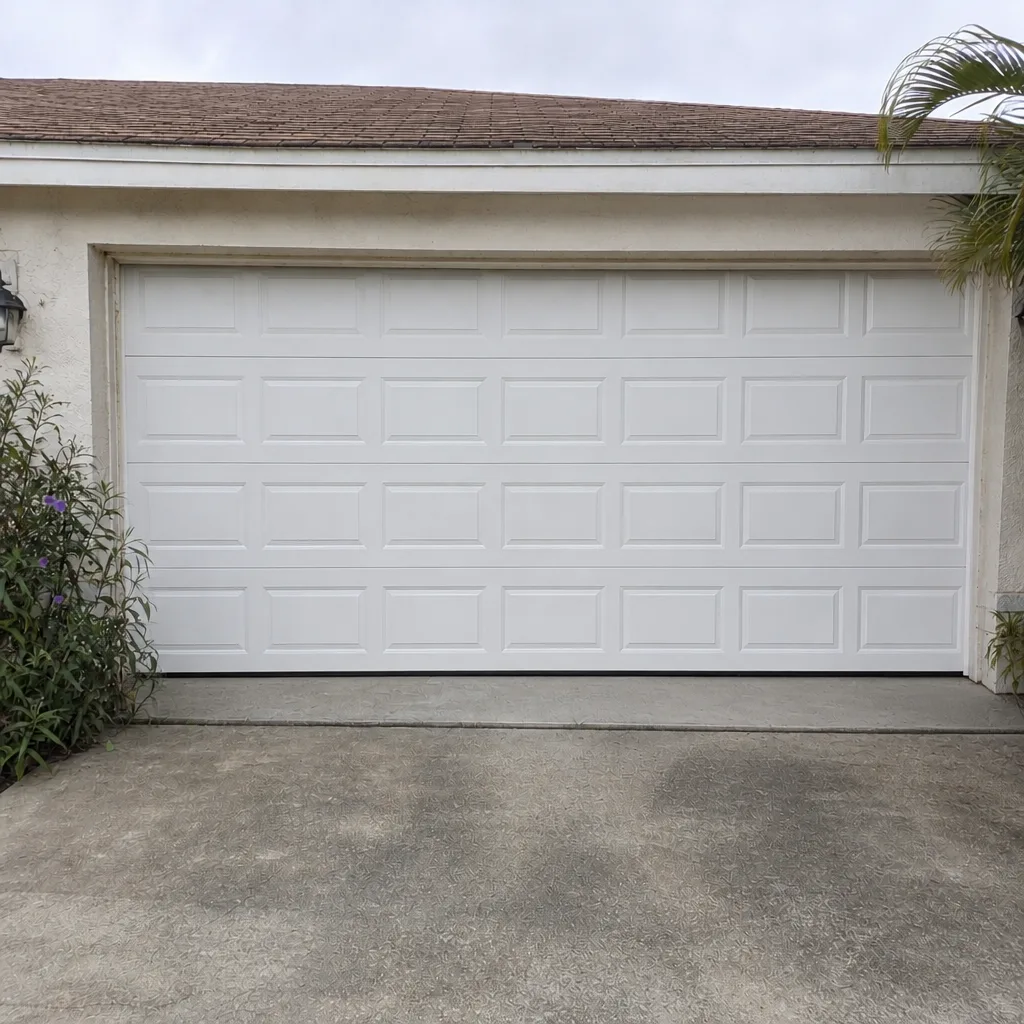
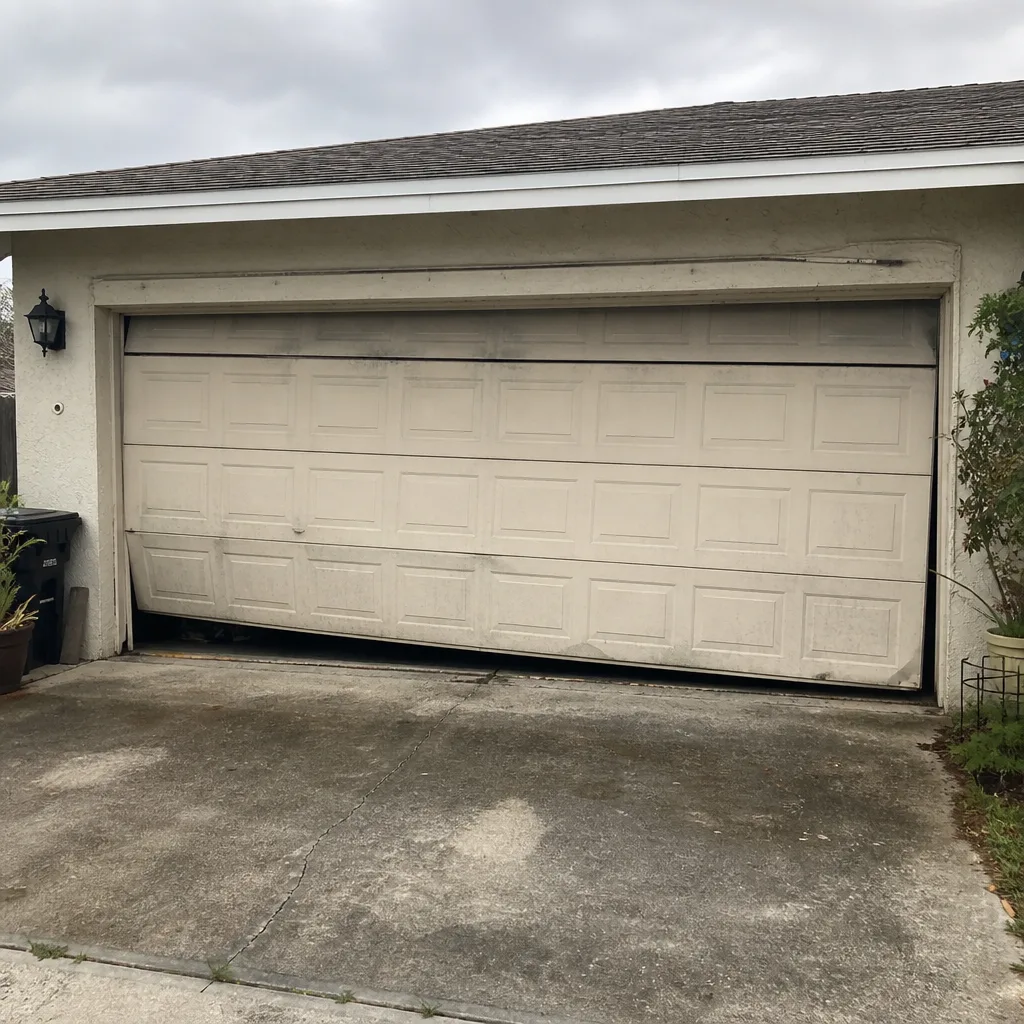
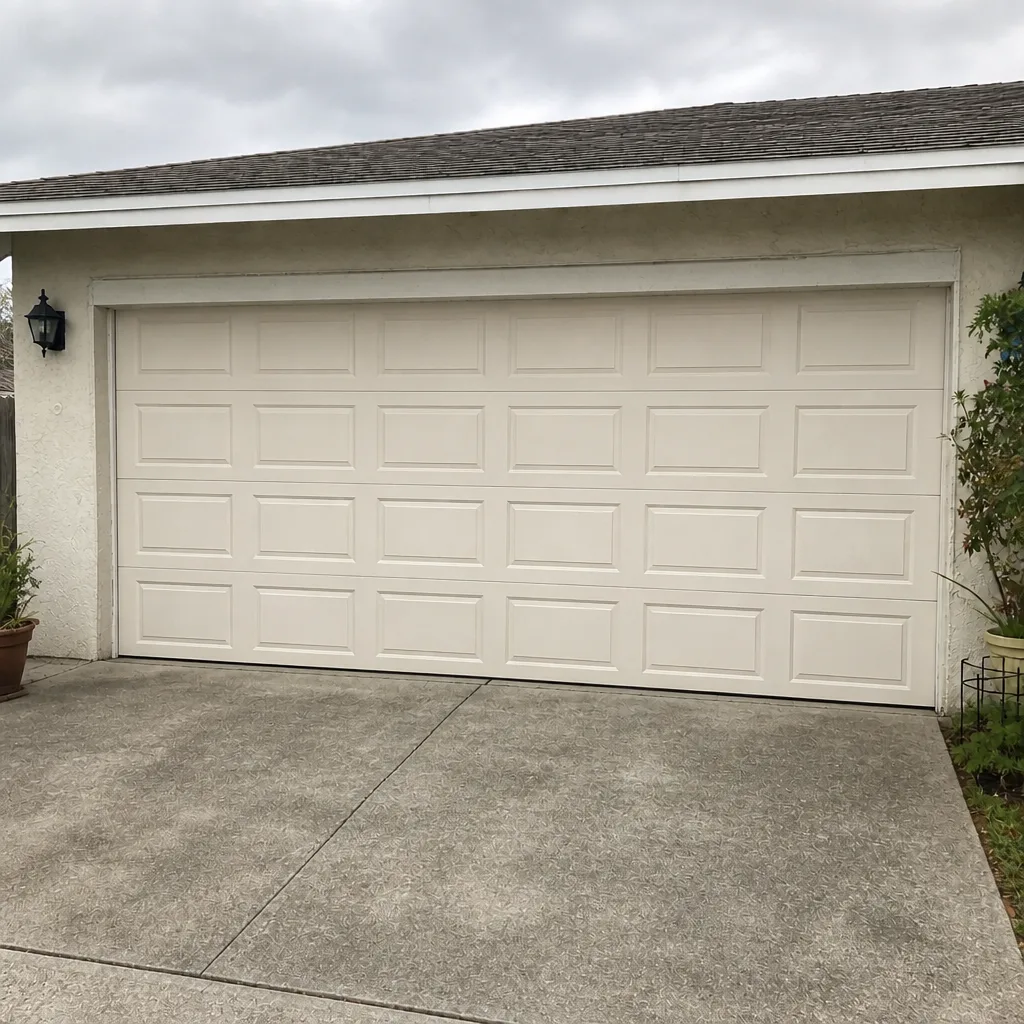
See the difference
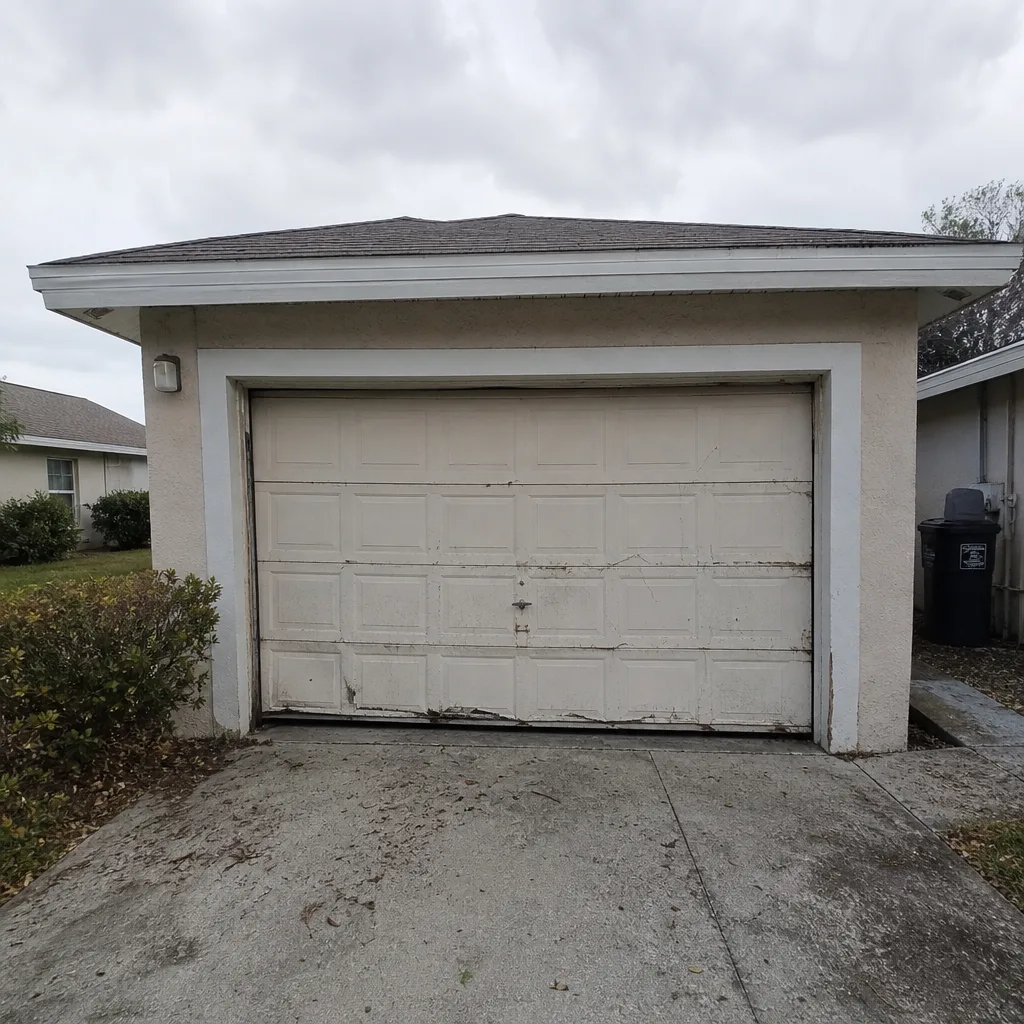 Before
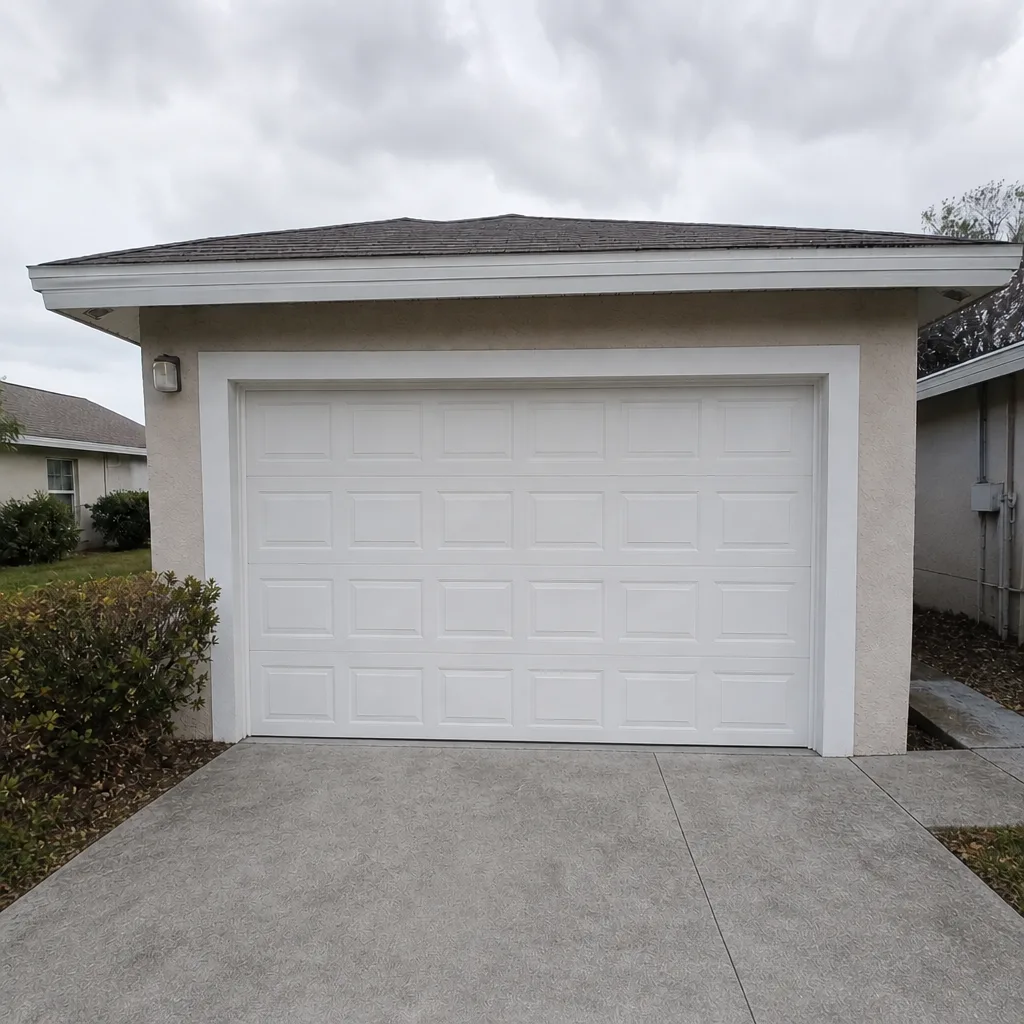 After
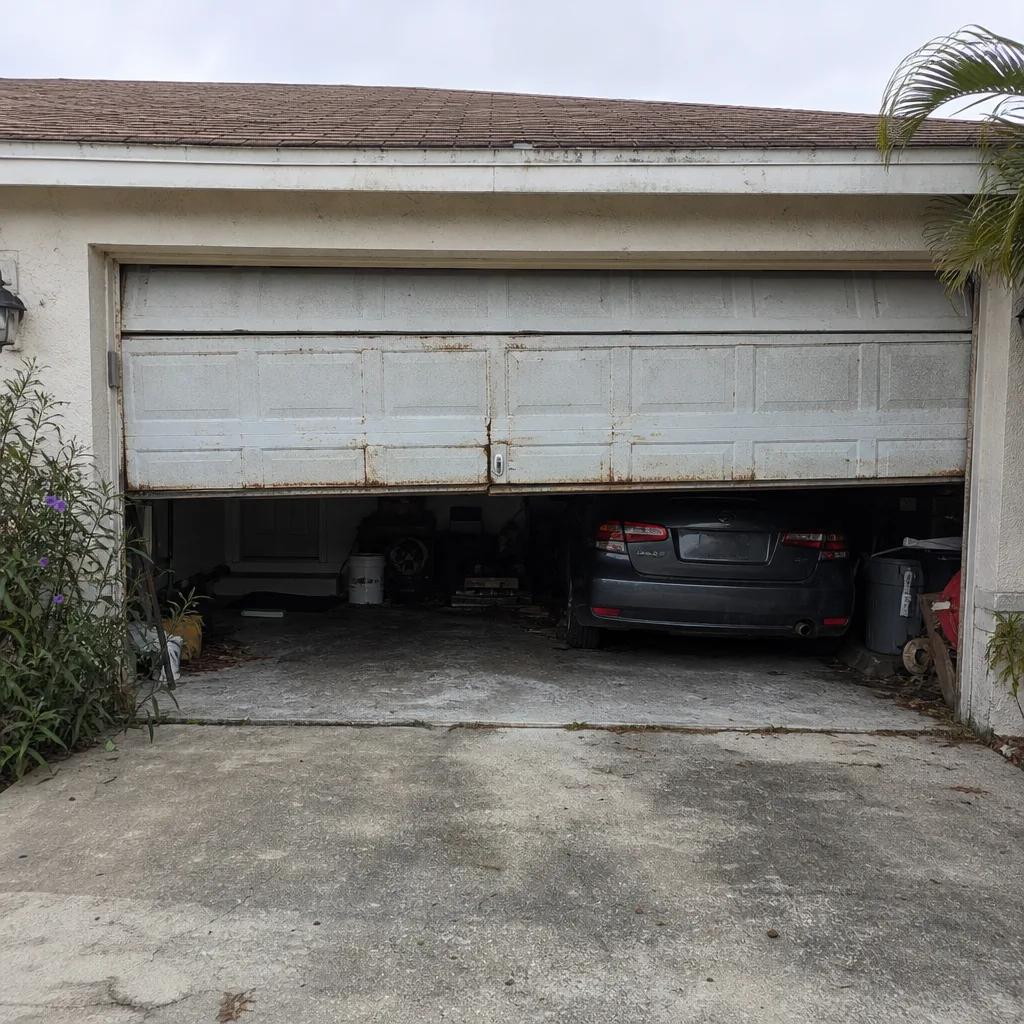 Before
 After
 Before
 After
Frequently Asked Questions
Schedule a full inspection in late May or early June, before storm season begins. Follow it with a lubrication and cleaning pass in October as the dry season starts, and a second lubrication pass in January or February. Timing maintenance to the storm season and dry season, rather than to a generic spring-and-fall schedule, matches what your door actually goes through here. Call (833) 847-0310 if you’d like help setting up a maintenance routine.
Inspect every panel, seal, track, and spring, tighten loose hardware, replace a worn bottom seal, and photograph the full door from inside and outside with a date. Keep those photos with your insurance paperwork. If you find a frayed cable, a stretched spring, or a gap in the track, have it repaired before storm season rather than after. Call (833) 847-0310 to book a pre-season inspection – estimates are free.
Plan for two passes through the dry season, in October and again in January or February, with a third in April or May if the door gets heavy daily use. Heat dries lubricant off hinges, rollers, and springs faster here than in cooler climates. Lubricate the hinges, roller stems, and spring coils, and wipe the tracks clean without lubricating them. Call (833) 847-0310 for a professional lubrication and inspection visit.
Heat puts extra load on the opener motor, and a door that’s binding or running on dry parts makes that load worse. Opener units often have thermal protection that cuts the motor out when it gets too hot, so a cutout on a hot afternoon isn’t necessarily a failure. Have the mechanical door checked first, then the opener. For garage door opener repair, call (833) 847-0310.
It depends on the material and the extent of the damage. A steel door with surface rust is often repairable. A wooden door that has absorbed moisture and warped across a panel may need that panel replaced or the door replaced entirely. In Port St. Lucie’s wet season, wooden doors are the most vulnerable. Call (833) 847-0310 for an assessment – estimates are free, and a replacement is measured and scheduled so you know the price before anything is ordered.
A maintenance visit covers inspection of panels, tracks, springs, cables, and hardware; lubrication of hinges, rollers, and springs; testing of the safety reverse and photo-eye sensors; and a report on anything that needs attention. Any repairs are quoted and agreed before work starts, and the written estimate sets the final price. Call (833) 847-0310 to schedule yours in Port St. Lucie.
The Bottom Line
Port St. Lucie’s garage doors face two seasons, not four, and each one needs its own attention. The dry season is about UV, dry lubricant, and opener heat. The wet season is about seals, tracks, and humidity. The work that ties them together is documentation: photograph the door before each storm season, note how it behaves, and keep a record of what gets serviced. That record is what turns a repair-replace-or-wait decision into an informed one, and it’s what tells you when a part is wearing out before it fails. Free estimates are available, and a price is always quoted and agreed before work starts. Written by the team at Tundra Garage Door Repair.
Call (833) 847-0310 for a free estimate. We answer 24/7. Fast dispatch from 7am to 7pm, Sunday through Friday.