
Last updated November 15, 2026
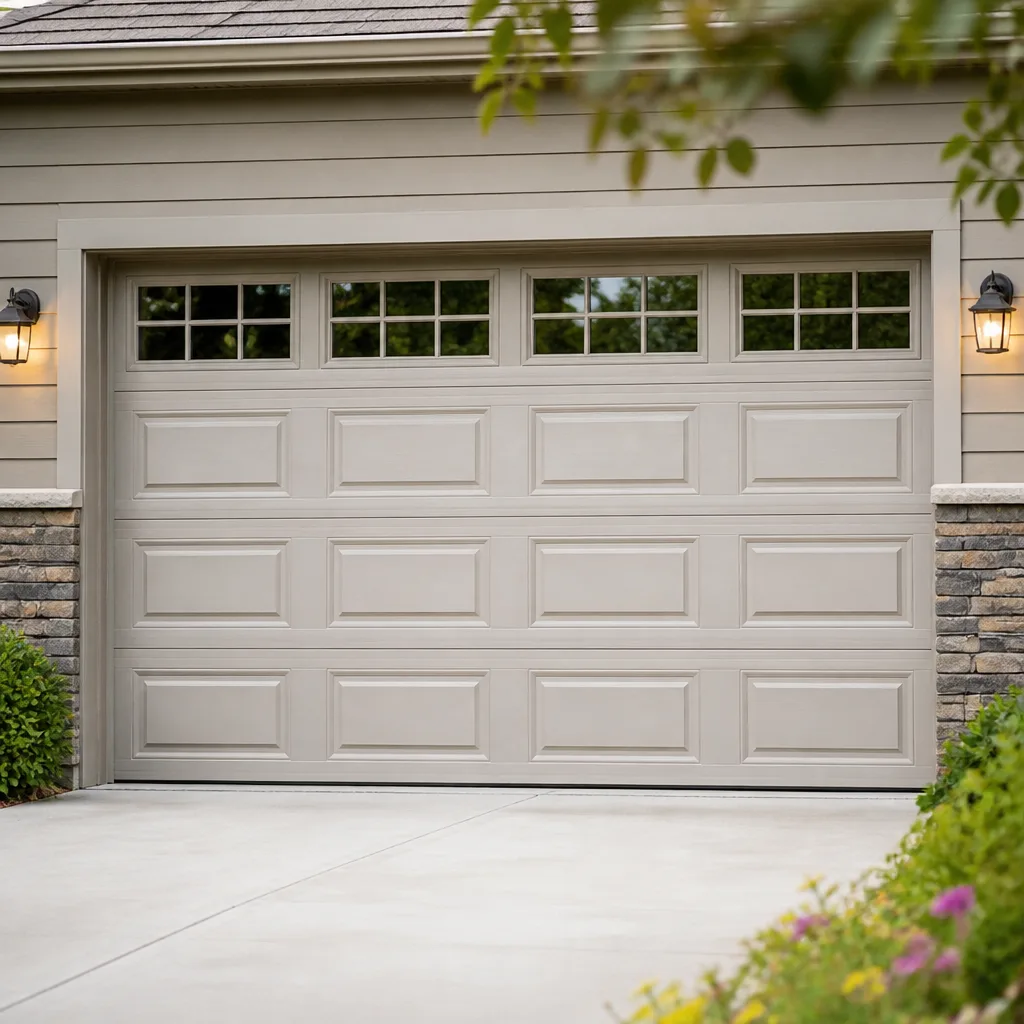 Raised-panel steel
 Carriage house
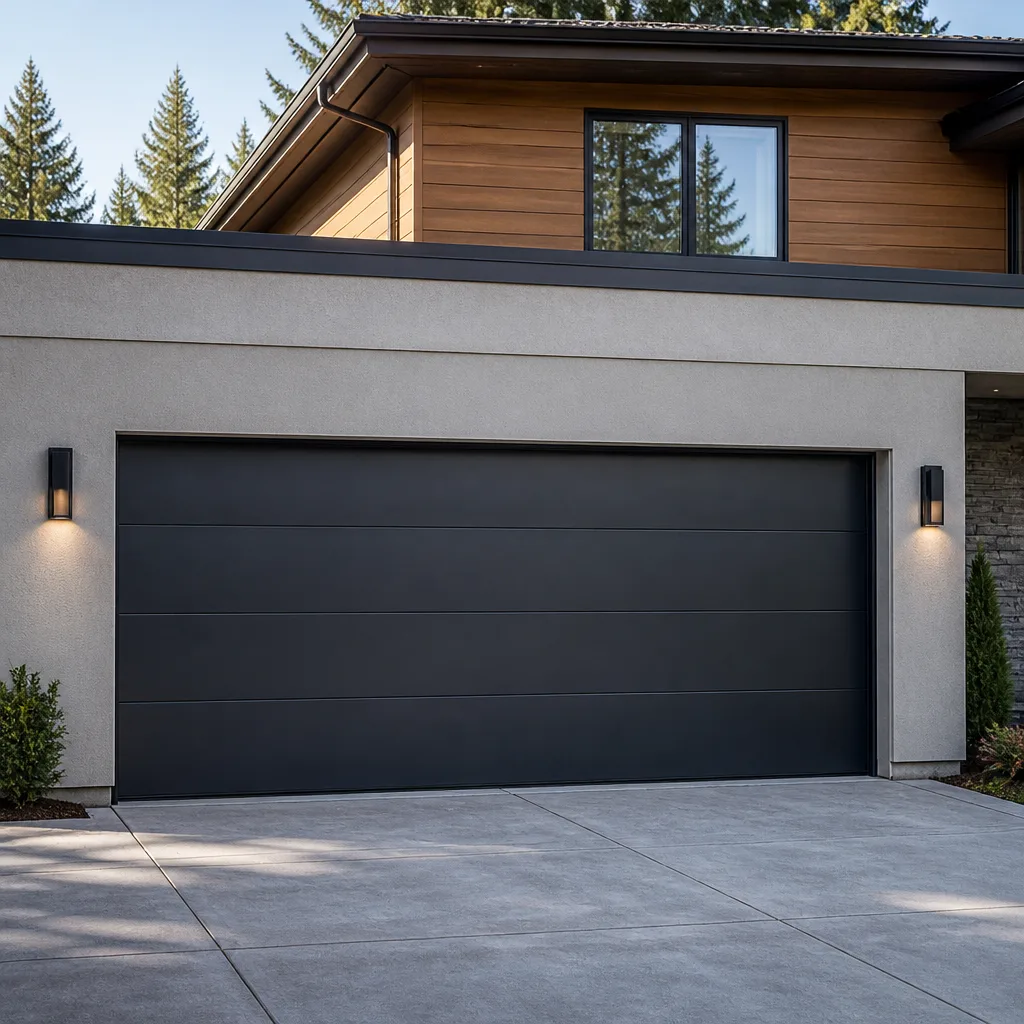 Modern flush
 Full-view glass
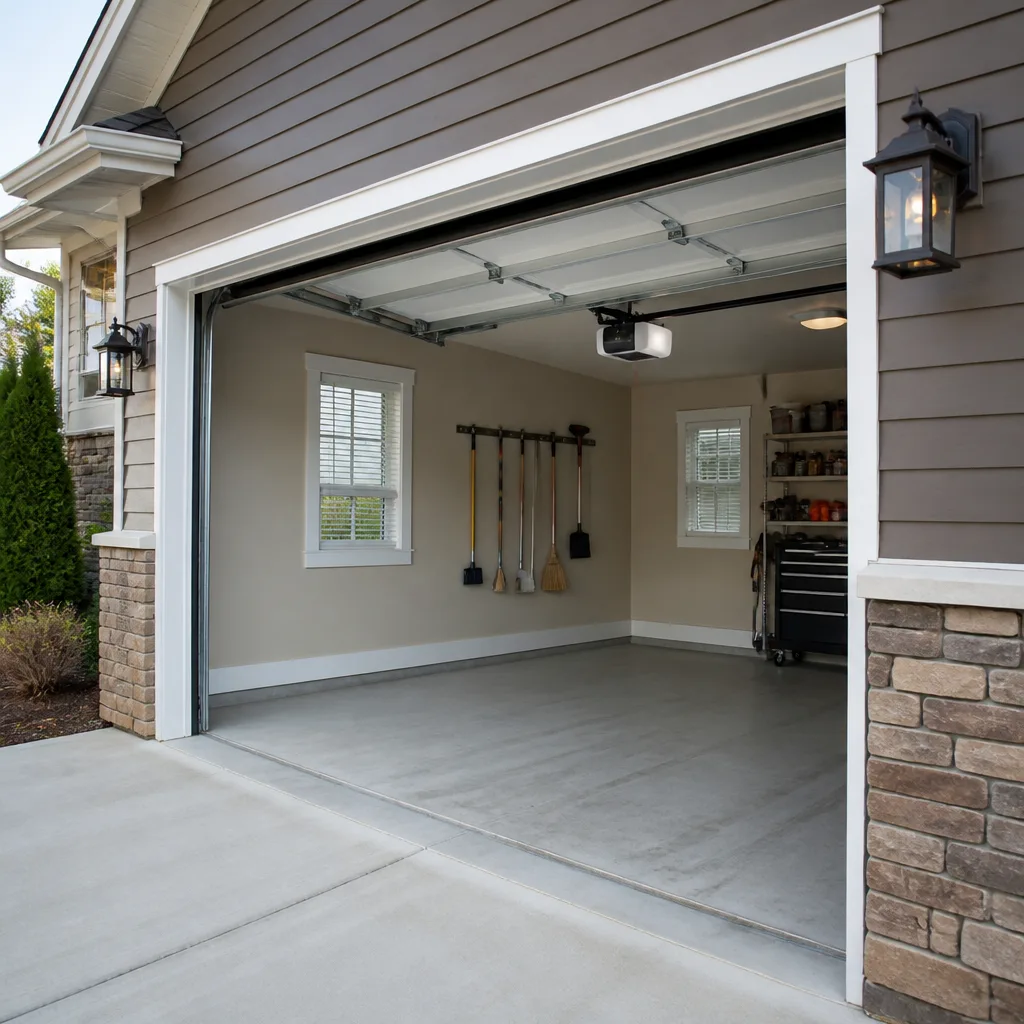 LiftMaster openers
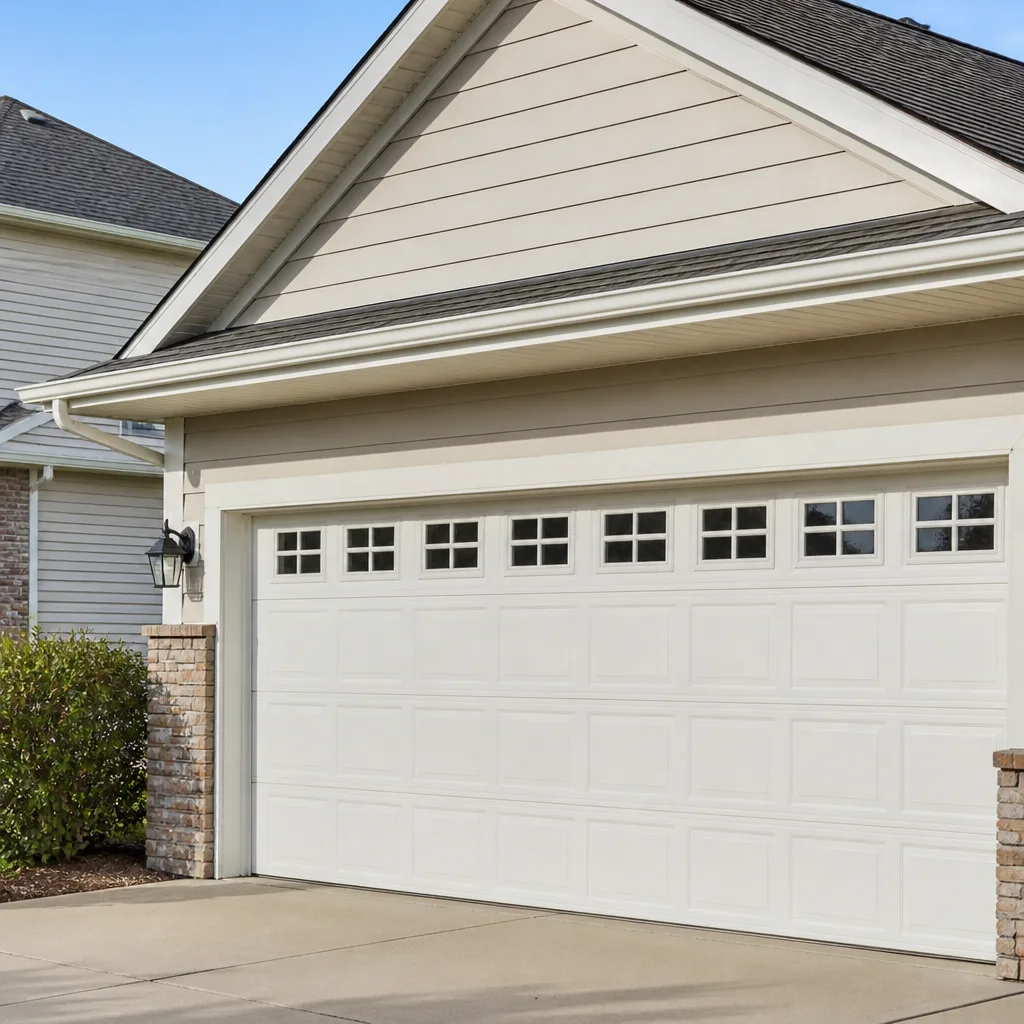 Chamberlain openers
Full 25-point door and opener safety check with every visit - springs, cables, rollers, tracks, and your LiftMaster or Chamberlain opener included
You get a price before we start. It does not change when the pro arrives.
Get your free estimateHow to Hire a Garage Door Contractor in Port St. Lucie: A Step-by-Step Guide
Most homeowners in Port St. Lucie shop for a garage door contractor the same way they shop for a lawn service: three quotes, pick the middle one, done. That habit is how people end up paying twice for the same spring. Here’s the part almost nobody tells you before you start calling: many of the people who show up to quote your door have never opened a manufacturer’s installation manual. Some of them have. Hiring doesn’t hinge on price, trucks, or whoever answers the phone first. It hinges on verification: of state registration, permit knowledge, brand fluency, and written scope. This guide walks you through that process step by step.
Quick Answer
The best way to hire a garage door contractor in Port St. Lucie is to verify each contractor’s state registration first, ask them direct questions about the specific door and opener brands you own, and only sign after receiving a written, itemized estimate of labor, parts, and permit responsibilities. Reviews and price both matter, but neither substitutes for those checks.
Styles & brands we work with
- Raised-panel steel
- Carriage house
- Modern flush
- Full-view glass
- LiftMaster openers
- Chamberlain openers
Table of Contents
- Does a Garage Door Contractor Need a License in Port St. Lucie?
- How Do You Verify a Garage Door Contractor in Port St. Lucie?
- Which Questions Separate Specialists from Dealers?
- What Should a Written Estimate Include?
- Is the Manufacturer’s Dealer Network Safer?
- How Do You Spot Storm-Surge Red Flags in Port St. Lucie?
- Why the Spring and Cable Work Isn’t a DIY Job
- What Should You Do After the Estimate?
Does a Garage Door Contractor Need a License in Port St. Lucie?
Florida does not issue a standalone “garage door contractor” license. That single fact reshapes the entire hiring process here. Any tradesperson holding a general contractor, building contractor, or specialty contractor registration can legally quote your door, whether they’ve ever touched a torsion spring or not. The state registration system proves someone has a registered business and has met basic requirements. It does not prove door-specific competence. That distinction matters in Port St. Lucie, where the housing stock runs heavily toward slab-on-grade ranch houses, two- and three-car garages, and villa communities that were built quickly and sold fast.
What does this mean for your search? It means you cannot rely on a license alone to filter out the unqualified. You rely on the license for baseline legal protection, then judge the rest through brand knowledge and written scope. A registered contractor who can tell you in their own words which door hardware fails most often on a typical Port St. Lucie home is worth more than a fully licensed generalist who has to look up your opener model.
Two further points ease the search. First, structural or electrical changes to a garage – adding an outlet, altering a header, moving framing – fall under existing building codes, so ask the contractor how they handle those permits. Second, most repairs involve no permit at all, which is why the registration check is your real safeguard. Florida’s contractor registration is searchable through the state licensing database, so a contractor’s status is something you verify rather than take on faith. We’ve seen homeowners in Port St. Lucie hire on a handshake and regret it a season later when the same door failed again. Verify first. Ask about permits second. Evaluate brand knowledge third.
One more layer worth understanding is the difference between a state-certified contractor and a locally registered one. Certified contractors are registered at the state level and can work across jurisdictions. Locally registered contractors are approved by a specific county or municipality. For a residential garage door repair in Port St. Lucie, either status can be legally sufficient, but ask which one the contractor holds and where their registration number comes from. That one question filters out a surprising number of unregistered operators who hope you won’t ask.
How Do You Verify a Garage Door Contractor in Port St. Lucie?
Verification takes about ten minutes and saves you the worst kind of headache. Here’s the order we recommend, from the most legally important check to the most brand-specific:
- Look up the contractor’s license class. Search the state licensing database by business name or registration number. Confirm the class: general contractor, building contractor, or a recognized specialty. Ask the contractor to give you that number by phone before any visit. If they hesitate or say their “office handles that,” that’s a decision point.
- Confirm the registration corresponds to the same business name on the estimate. A quote issued by one legal entity and a registration held by another is a red flag. Ask why.
- Ask which existing building codes apply to your job. Any contractor working on structural or electrical components should be able to explain which provisions matter for your home. A guess here is a signal.
- Ask what permits your job needs, if any. For most residential repairs, a permit isn’t required, but a contractor who can distinguish “no permit needed” from “I didn’t check” is a contractor who knows the ground they’re standing on.
- Check insurance. Ask for a certificate of insurance covering both general liability and workers’ compensation. Have your own insurer confirm it’s active if you’re uncomfortable, and don’t assume it exists because they said “yes.”
- Confirm the brand coverage. Your door and opener aren’t generic, so a contractor should be able to name the specific systems they work on. Ask what they know about the exact opener you own – LiftMaster, Chamberlain, Genie, and similar platforms have distinct installation, wiring, and control-board characteristics. If they need to call someone to check, that’s your answer.
Do all of this before signing an estimate, not after. Once the door is off its tracks, your leverage drops sharply. None of these checks are onerous, and none require special tools. They just take a homeowner who has committed to asking. If you want to skip the search entirely, you can also use a service like Tundra Garage Door Repair that connects you to independent local professionals, but the checks below still apply.
Which Questions Separate Specialists from Dealers?
Once you’ve verified the legal side, the next filter is brand knowledge. This is where brand-agnostic specialists and single-brand dealers split into two very different service experiences. Ask these three questions and listen closely to the answers:
- “Which door and opener brands do you work on?” A specialist names several: Clopay, Amarr, Wayne Dalton, LiftMaster, Chamberlain, Genie, Craftsman, Raynor. A single-brand dealer names one and deflects the rest. On a Port St. Lucie home, that difference matters. Some neighborhoods lean heavily toward builder-installed models, while other areas run more aftermarket or upgraded systems. A dealer who only knows one brand will try to steer every conversation back to the product they actually sell.
- “My door was built with brand X – can you diagnose a fault without replacing the whole thing?” A specialist answers yes and describes what they look for. A dealer answers by explaining why brand X is unreliable and why you’d be better off switching.
- “What’s the difference between a torsion spring and an extension spring, and which does my door use?” Yes, this is basic, and that’s the point. A specialist can answer in plain English. A dealer often can’t, because their expertise is in selling doors, not diagnosing the mechanical system inside one.
There’s a fourth question we recommend for anyone with a smart or Wi-Fi-connected opener: “How do you troubleshoot a MyQ or Wi-Fi opener that won’t pair with the app?” This exposes whether the contractor understands the electronics, or just the hardware. Modern opener boards behave differently from older direct-drive units, and a technician who can’t explain pairing usually can’t diagnose a control-board fault either. If a garage opener repair is what you actually need, that electronics literacy will matter more than anything else.
None of this means single-brand dealers are dishonest. It means their incentive sits on the product side, and you deserve to know that going in. In Port St. Lucie, where homes often keep the same door for two decades, a specialist who can walk in and work with whatever system is already mounted saves you the cost of someone else’s inventory preferences.
What Should a Written Estimate Include?
A written garage door estimate in Port St. Lucie should include the description of the work, the scope of parts, the labor, and who is responsible for any permit, at minimum. Anything less and you’re guessing at the final bill. The two line items most routinely left off are the ones that cost you most when they’re missing:
- Disposal and haul-away of old parts. Springs, cables, panels, and openers take up space, and some contractors quietly charge extra once the work is done. If it isn’t in the written estimate, assume you’ll be negotiating it later.
- Explicit equipment handoff. What happens to the old opener remote or wall button, whether the new opener comes with a wall control, and what you keep at job close. A written estimate should list what’s coming off the door and what’s coming back into your hands.
Beyond those, a real written estimate should state:
- The specific model numbers of any new parts, including springs and openers.
- Labor hours or a labor line total.
- Whether the price includes testing the safety reverse and force balance.
- Who removes the old door and hardware.
- The final price for the described scope and a statement of how change orders are handled.
Always compare written estimates on the same scope. A low number that leaves out haul-away, model numbers, or permit questions is not a deal; it’s a placeholder. And on cost topics like this, remember that a written estimate sets the price. If a contractor won’t put the scope in writing, they aren’t quoting your job – they’re describing it.
Is the Manufacturer’s Dealer Network Safer?
Not always, and in a multi-brand household it’s often the looser fit. Manufacturer dealer networks build their businesses around one product line, which means their technicians know that line cold. The flip side is that they have less incentive to know competitor products. If your opener is a Genie and your door is a Wayne Dalton, a LiftMaster dealer’s expertise is only half relevant. You may get a correct repair and still pay for a brand pivot you didn’t need.
Dealer networks do offer real advantages: warranty alignment, factory training, and manufacturer support when a part is defective. If you’re installing a new Clopay or Amarr door from scratch and want the manufacturer’s warranty to back the installation, going through the dealer can be the right call. The problem happens earlier in the lifecycle, on a repair, when a homeowner needs a diagnosis rather than a sale. That’s where multi-brand fluency earns its keep.
For Port St. Lucie specifically, we’ve seen plenty of homes where the door and the opener came from different brands at different times: an original builder door paired with a replacement opener added years later. That hybrid is normal. A contractor who works across the major brands can diagnose that pairing without pushing you toward one manufacturer’s ecosystem. A single-brand dealer is more likely to suggest you replace the “off-brand” half. Before you accept that suggestion, ask them why the part is failing versus why it’s off-brand. If the answer leans on the brand rather than the failure, that’s your signal.
Our own technicians have up to 12 years of experience across door and opener brands, and we still tell homeowners that a single-brand dealer isn’t automatically safer – it’s just more specialized. Specialization is fine when it matches your equipment. It’s a liability when it doesn’t.
How Do You Spot Storm-Surge Red Flags in Port St. Lucie?
After any significant weather event, out-of-state crews and unregistered operators can move through the area offering quick repairs. Some are competent. Many aren’t. When the market fills with unfamiliar faces, a homeowner needs a checking habit, not a reflex to sign fast. Here are the flags that come up most often in Florida’s post-storm surges:
- Door-to-door pitches with no verifiable registration. Legitimate contractors can produce a registration number in the first conversation. If the quote comes before the number, walk away.
- Large deposits requested up front, in cash. A reasonable deposit is normal on installations. A demand for most of the job’s cost before any work starts, especially untraceable, is not.
- No written estimate, or an estimate that’s a text message. A written estimate with model numbers and a clear scope is standard. A text with “$800” isn’t a quote.
- Pressure to decide on the spot. A crew that says the offer ends today, or that the price doubles tomorrow, is not giving you a decision. Six guesses on three doors is the fastest way to overpay.
- Refusal to answer questions about permits or codes. Even “no permit needed” is an answer. Silence or deflection isn’t.
- Insurance certificates that can’t be produced. Ask for a certificate of insurance and have your own insurer confirm it’s active. If they can’t produce one, don’t hire.
- Out-of-state license plates paired with a Florida address they can’t clearly name. This isn’t disqualifying on its own, but combined with any two of the above, it’s a pattern.
Storm season also shakes loose real problems that aren’t scams. Impact damage from flying debris, doors knocked off their tracks by wind, and openers that fail after a power surge are all common in Port St. Lucie. That’s not an argument against hiring quickly; it’s an argument for hiring correctly. A same-day repair is worth having, but only if the technicians are licensed, insured, and able to put the scope in writing before they touch anything. When damage is impact-related, ask specifically whether the tracks, rollers, and spring assembly have been inspected by someone who understands alignment, not just whether the door opens after the visit.
Reading a seasonal surge correctly also means separating genuine storm damage from pre-existing wear. A door that’s been sticking for months and then jams after a storm is not automatically storm damage – it may need spring or cable work that a reputable contractor will find either way. Ask a storm-response contractor whether their diagnosis is storm-specific or general wear, and be wary of any answer that leans on the event to justify a full replacement.
Why the Spring and Cable Work Isn’t a DIY Job
Springs and cables store enormous energy, and they fail without warning. We say this plainly because it’s the single most common safety mistake we see in the trade. A technician who has training, the correct winding bars, and knowledge of the correct order of operations is the only person who should touch a torsion spring or a high-tension cable. A door that’s already failed shouldn’t be tested, forced, or propped. Call someone trained for it. The upside of hiring a specialist is that they also know when a spring is worn but not yet broken, which is the window where replacement is cheap instead of disruptive.
The other thing worth telling homeowners: safety systems are part of the door, not an accessory. The auto-reverse function and the force limit are both adjustable and both should be tested on every service visit. Ask any contractor you hire to confirm both are working before they leave. If a technician skips that step, ask them to come back to it. A door that opens and closes isn’t the same as a door that’s safe.
Want the general scope of standard repairs first? Our garage door repair page covers typical spring, cable, track, and panel issues in more detail, and our garage door opener repair page walks through opener-specific symptoms. Neither replaces an on-site inspection, but they help you ask better questions. Both live alongside the rest of our Port St. Lucie coverage if you’re comparing service scope before you call.
What Should You Do After the Estimate?
Compare written estimates line by line, not just on the bottom number. Confirm the scope is identical, then confirm the brand coverage and the registration. Once you’ve narrowed to one contractor, do these things in this order:
- Verify the registration one more time. Business names change and registrations lapse. Reconfirm the license class on the state database before you sign.
- Confirm insurance with your own insurer. A certificate of insurance is standard, and asking for it is not an insult. A professional expects the request.
- Get the change-order terms in writing. If the crew finds a worn cable once they’re in, the process for pricing and approving that extra work should be agreed on before the door comes apart.
- Secure your deposit terms. If a deposit is required, use a payment method you can dispute and keep the written estimate attached.
- Ask how they handle warranty on parts and labor. A written scope includes this. Ask for it in the estimate, not in conversation.
- Schedule the work and confirm who will be on site. If a subcontractor is coming out, ask who they are and what their registration status is. A contractor who answers this cleanly is a contractor worth keeping.
Across all of this, keep the same habit: if a contractor’s answer to a straightforward question is evasive, that’s information. Hiring a Port St. Lucie garage door contractor is not a test of patience – it’s a test of verification. Ask, confirm, and only then commit. The process takes about an hour of your time and eliminates nearly every downside you’d otherwise discover later.
Common Mistakes to Avoid
- Hiring on price alone. A low bid that leaves out disposal, model numbers, and permit responsibility is not a cheaper quote, it’s a smaller one. Compare estimates on identical scope or you’re comparing different jobs.
- Assuming a license equals competence. A general contractor registration is legally sufficient for garage door work in Florida, but it doesn’t guarantee a technician has opened a spring on your door model before. Ask about brand experience specifically.
- Skipping the insurance check. A certificate of insurance is a phone call away, and having your own insurer confirm it’s active is fast. If the contractor objects to the request, take that as the answer.
- Letting a dealer dictate brand. A single-brand dealer will steer the conversation toward their line, whether or not your door and opener came from that manufacturer. Ask direct questions about your actual installed equipment before accepting their recommendation.
- Accepting a verbal estimate. A written estimate in Port St. Lucie should list labor, parts, model numbers, and haul-away. If the estimate is a text or a spoken number, ask for it in writing or find another contractor.
- Hiring fast after a storm from the first crew that shows up. Quick response is normal, but the verification steps don’t get skipped because the work is urgent. Check registration, check insurance, then decide.
- Letting anyone put hands on the springs without confirming training. High-tension spring and cable work is the one part of the job where the wrong person can get seriously hurt. If someone shows up to fix a spring and can’t explain the practice, don’t let them start.
See the difference
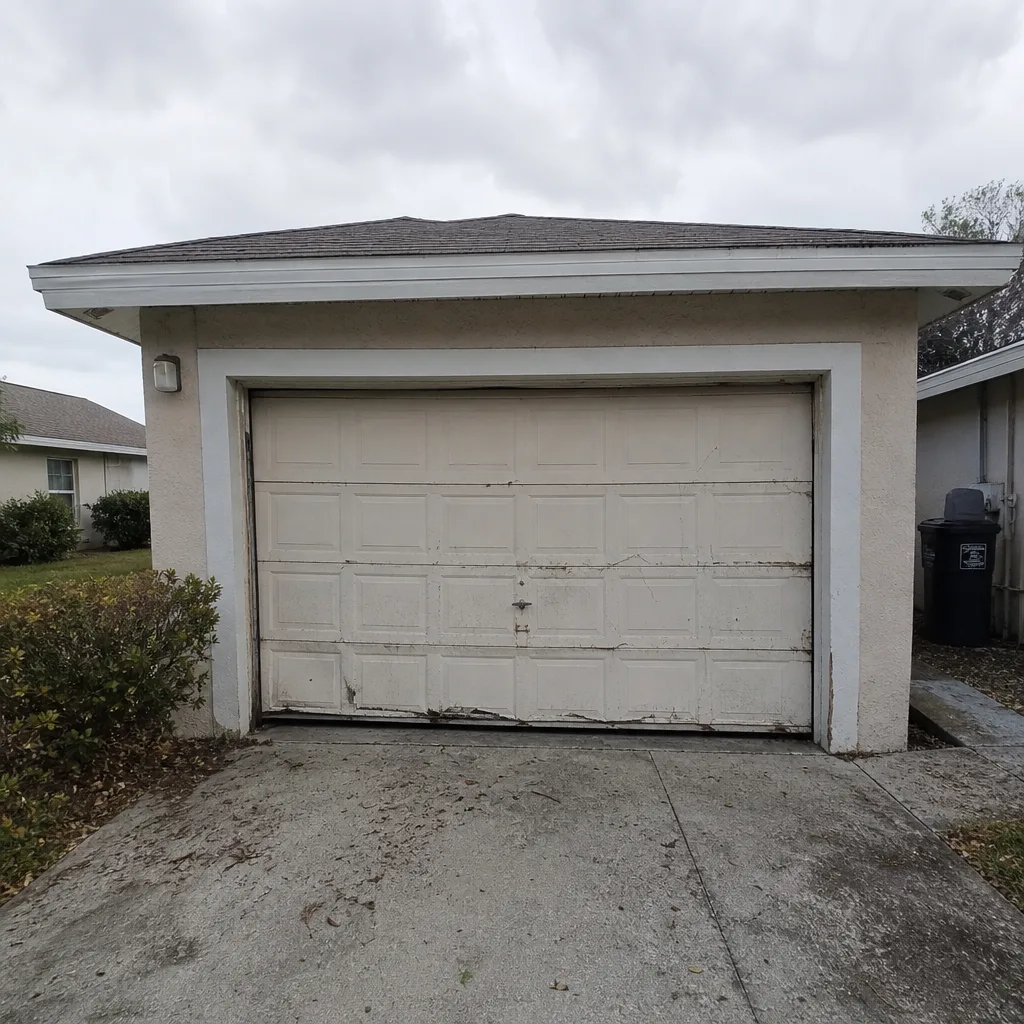 Before
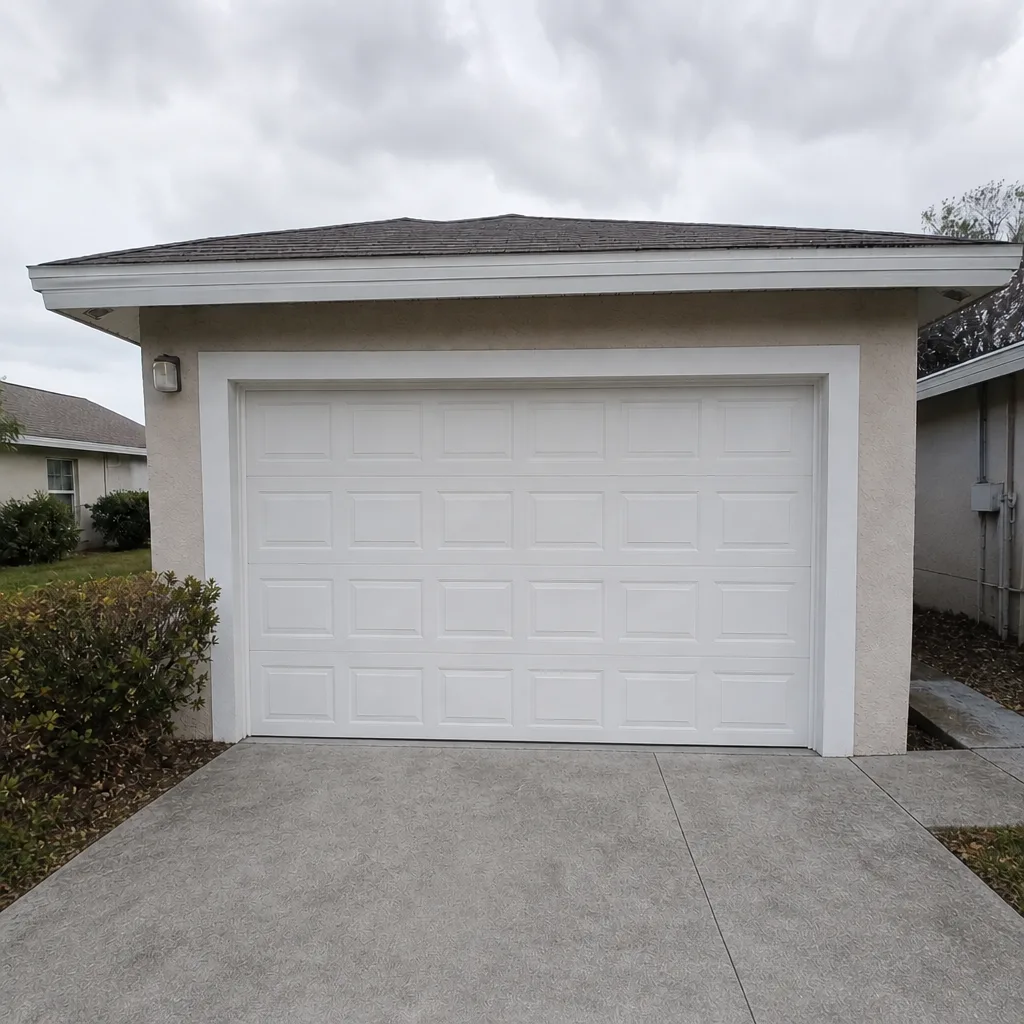 After
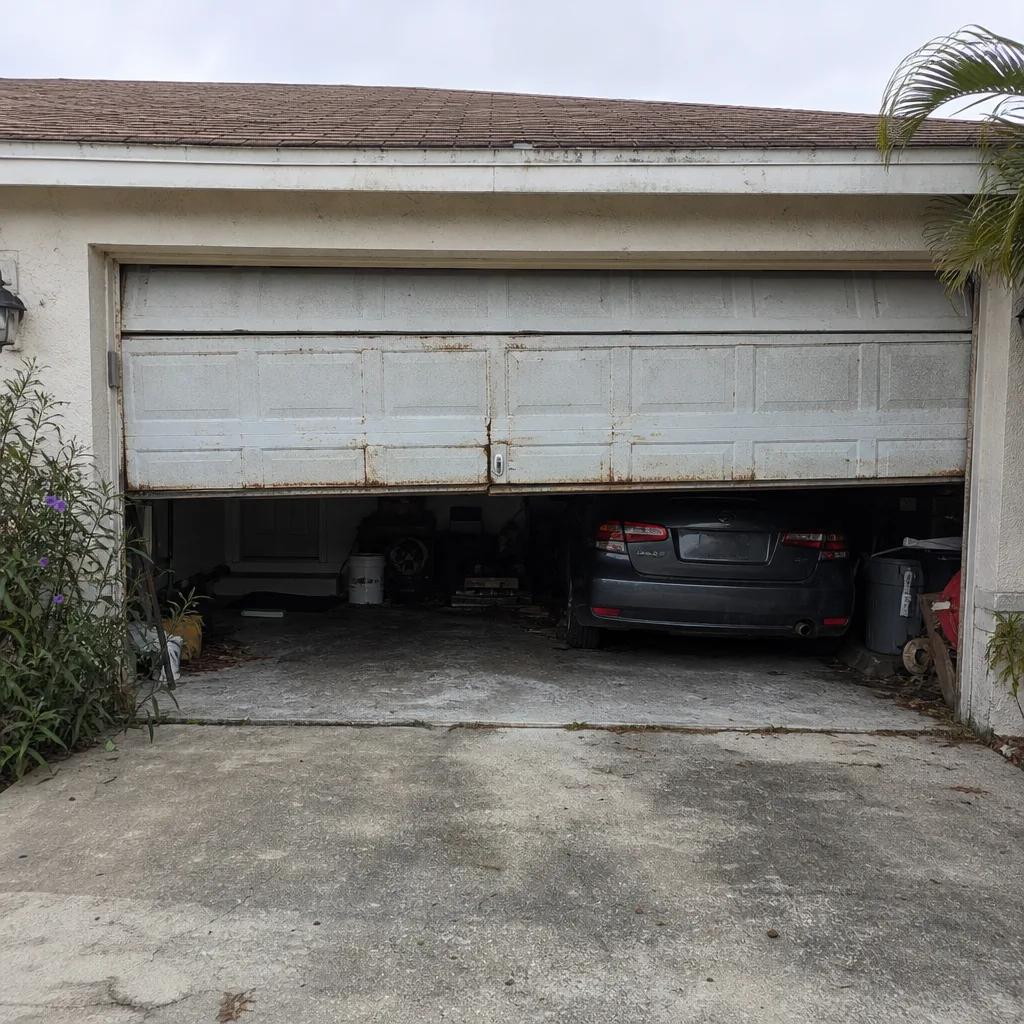 Before
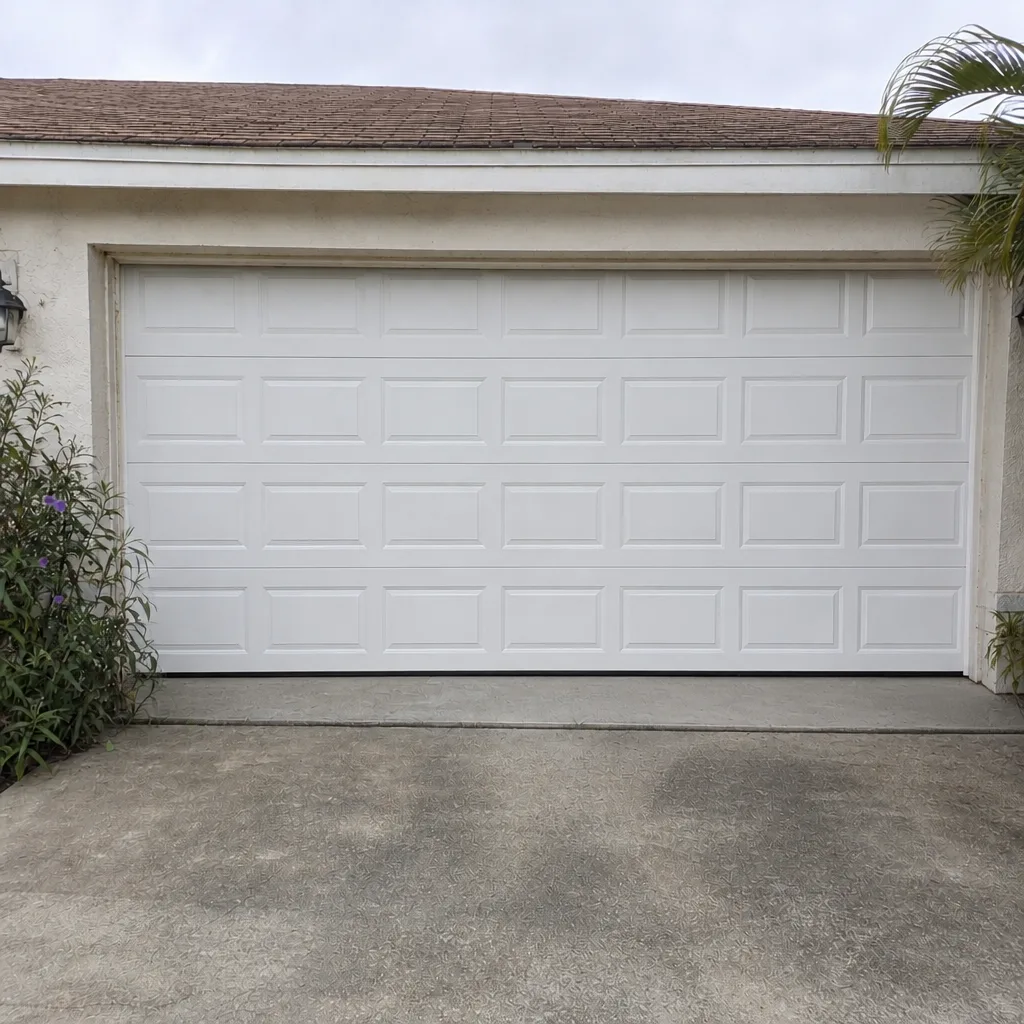 After
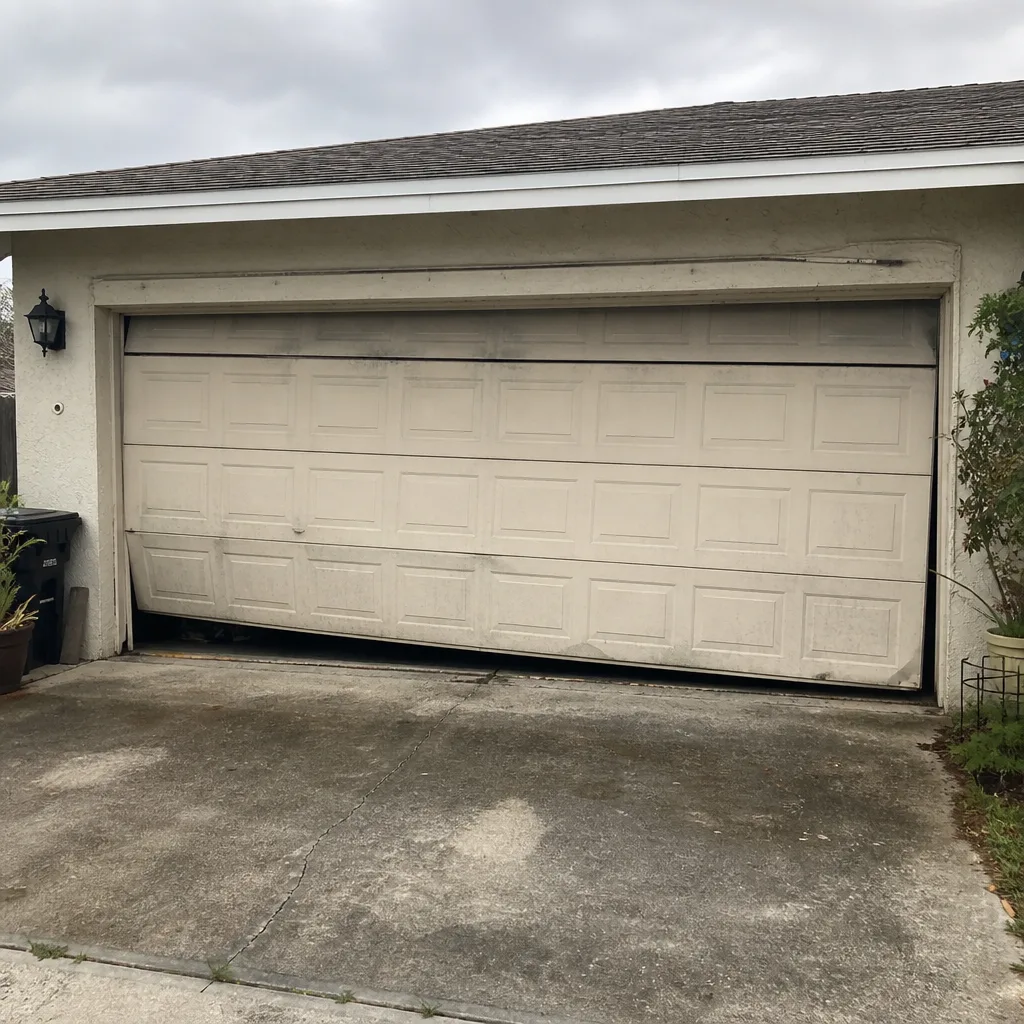 Before
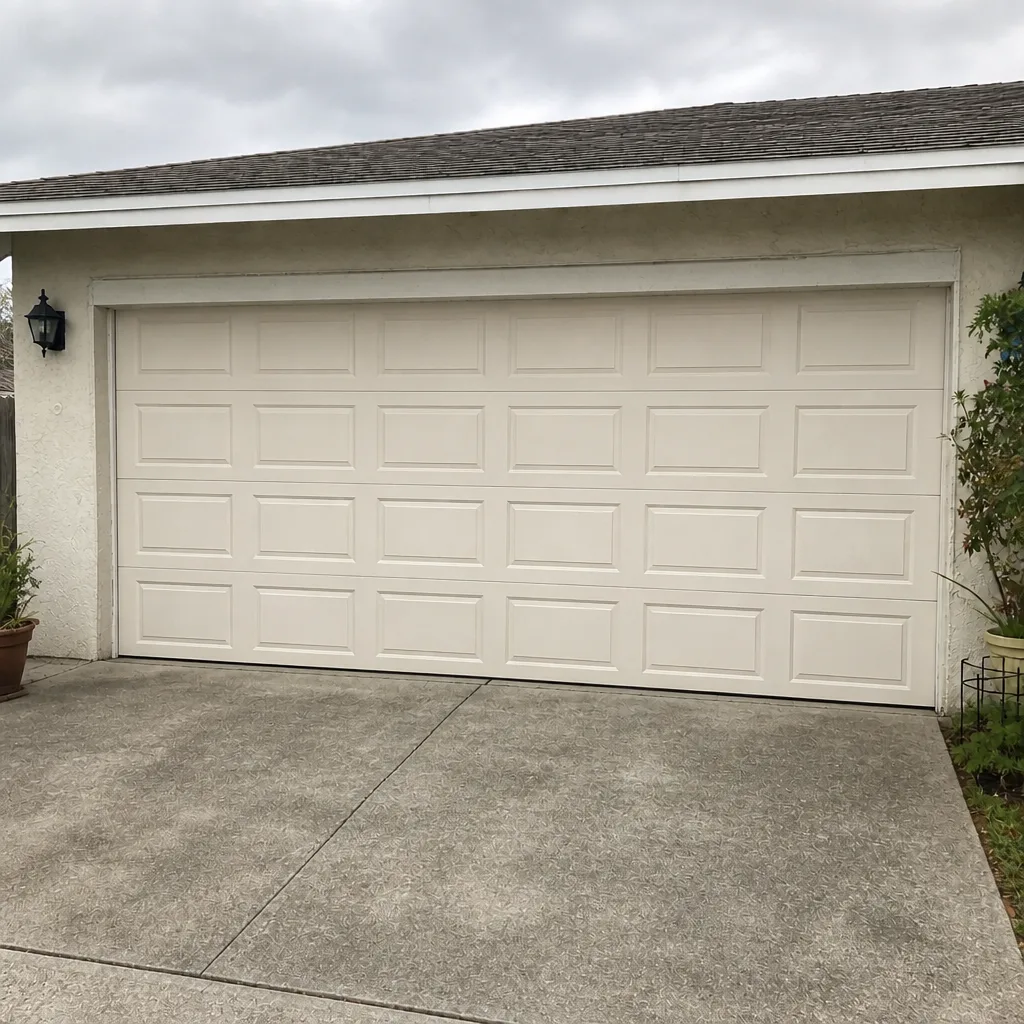 After
When to Call a Professional
A garage door that won’t close, a broken spring, a snapped cable, a door that’s jumped its track, or an opener that grinds, clicks, or refuses to pair with its remote – all of these warrant a professional call, not a Saturday YouTube session. If the door is sticking, dragging, or making new noises, an inspection now can catch wear before it becomes a repair. Same if you’re planning an installation: measure, model selection, and install are best handled by someone who knows your door brand and opener platform before the order goes in. Tundra Garage Door Repair offers free estimates in Port St. Lucie. Call (833) 847-0310. We answer 24/7. Fast dispatch from 7am to 7pm, Sunday through Friday.
Frequently Asked Questions
Search the state contractor licensing database by the contractor’s business name or registration number, and confirm which class they hold: general, building, or specialty. Ask the contractor to give you the number by phone before any visit, then verify it yourself. If the answer doesn’t come quickly, that’s a strong signal to keep looking. Call (833) 847-0310 for a free estimate once you’ve narrowed the field.
Florida registers contractors but does not issue a standalone garage door license, so the work can legally be done by anyone holding a general, building, or specialty contractor registration. That’s precisely why brand knowledge and written scope matter as much as the registration itself. Verify registration first, then evaluate expertise.
A written estimate should describe the work, list specific model numbers for new parts, state labor and parts separately, and confirm who handles disposal and haul-away of old equipment. It should also state whether the price includes testing the safety reverse and force balance, and how change orders are handled if extra wear is found during the job. The written estimate sets the price, so don’t sign anything less specific. Call (833) 847-0310 if you want an estimate put together with those details.
Not automatically. Dealer networks offer real warranty alignment and factory training on their own product line, but a single-brand dealer has less incentive to be fluent on competing brands. If your door and opener come from different manufacturers, a multi-brand specialist is often the better fit. Ask which brands they service and listen for whether the answer sounds like a list or a sales pitch.
Door-to-door pitches with no verifiable registration, large cash deposits requested up front, estimates delivered by text message, refusal to answer questions about permits, and pressure to decide on the spot. Any two of these together is reason to keep looking. Storm damage is real, but verification doesn’t get skipped because the work is urgent. Call (833) 847-0310 if you want a licensed, insured professional to look at the damage before you sign anything.
Hire a technician, always. Torsion springs and high-tension cables store enormous energy and can cause serious injury if handled without training, the right tools, and a clear understanding of the correct order of operations. Even inspecting a failed spring without the proper procedure is risky. Our technicians have up to 12 years of experience with spring and cable work, and we won’t send a homeowner into that job. Call (833) 847-0310 for a free estimate if your spring has failed.
The Bottom Line
Hiring a garage door contractor in Port St. Lucie is not a price contest. It’s a verification process. Check registration class, confirm insurance, ask brand-specific questions, and demand a written estimate with model numbers, labor, and disposal stated plainly. Avoid the three most common traps: assuming a license equals competence, letting a dealer dictate brand, and skipping the checks because the work feels urgent. Once you’ve verified those basics, you can compare on price with confidence that you’re comparing like for like. That’s the whole guide. Call (833) 847-0310 for a free estimate, and we’ll put the scope in writing before anything starts.
Written by the team at Tundra Garage Door Repair.