
Last updated November 15, 2026
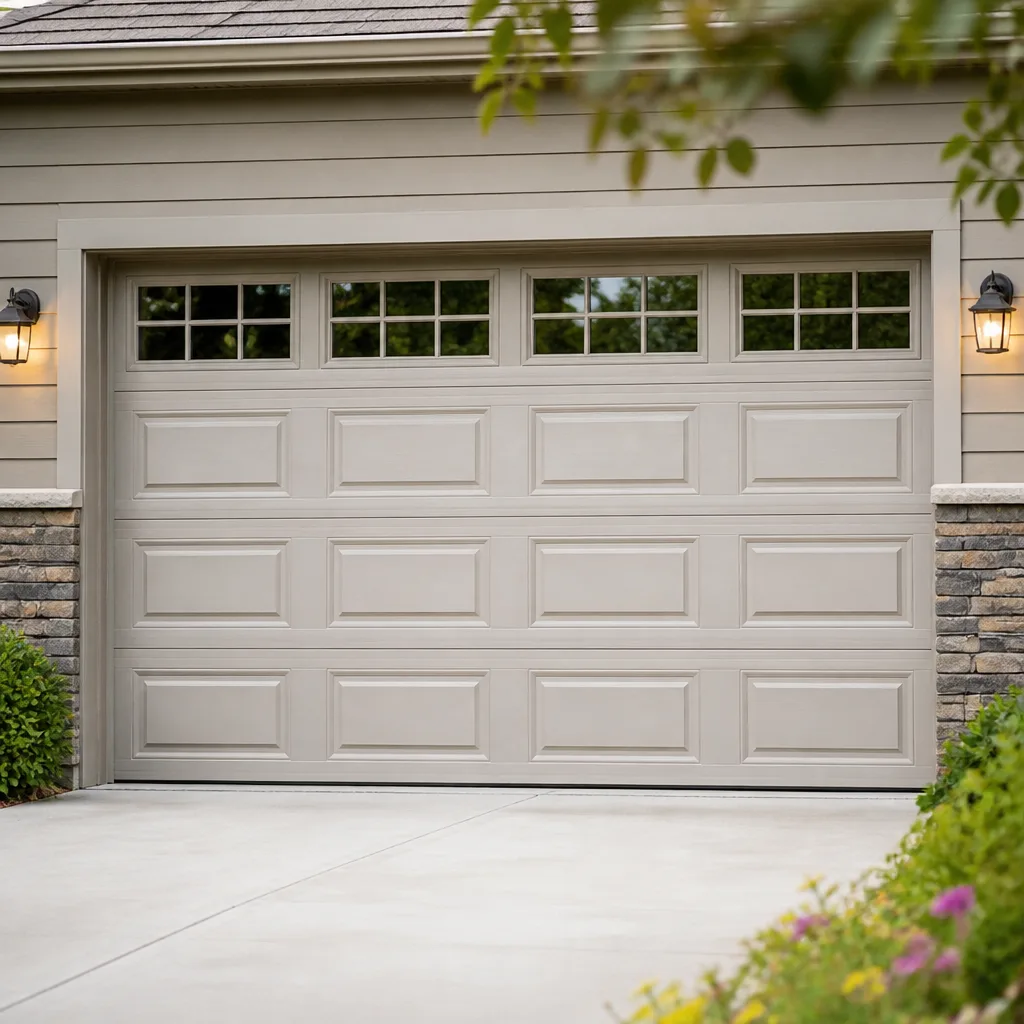 Raised-panel steel
 Carriage house
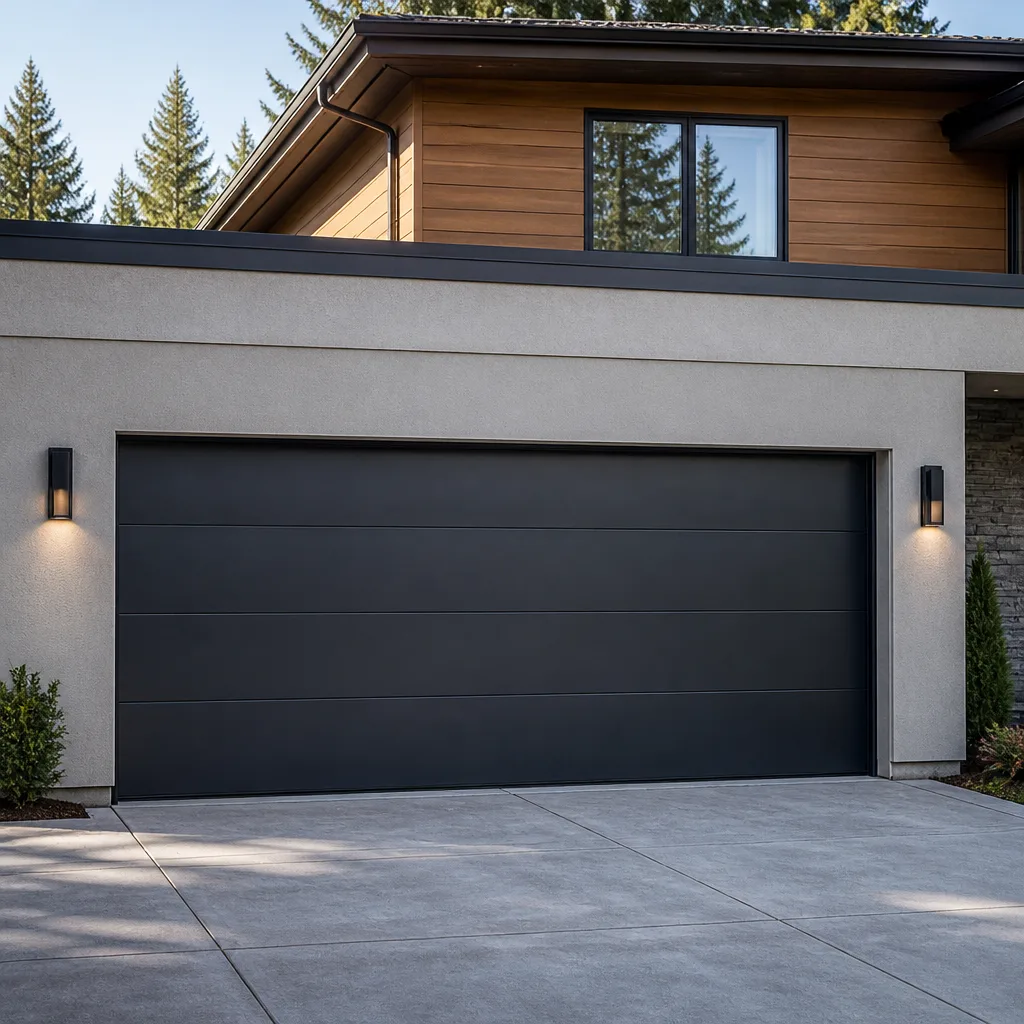 Modern flush
 Full-view glass
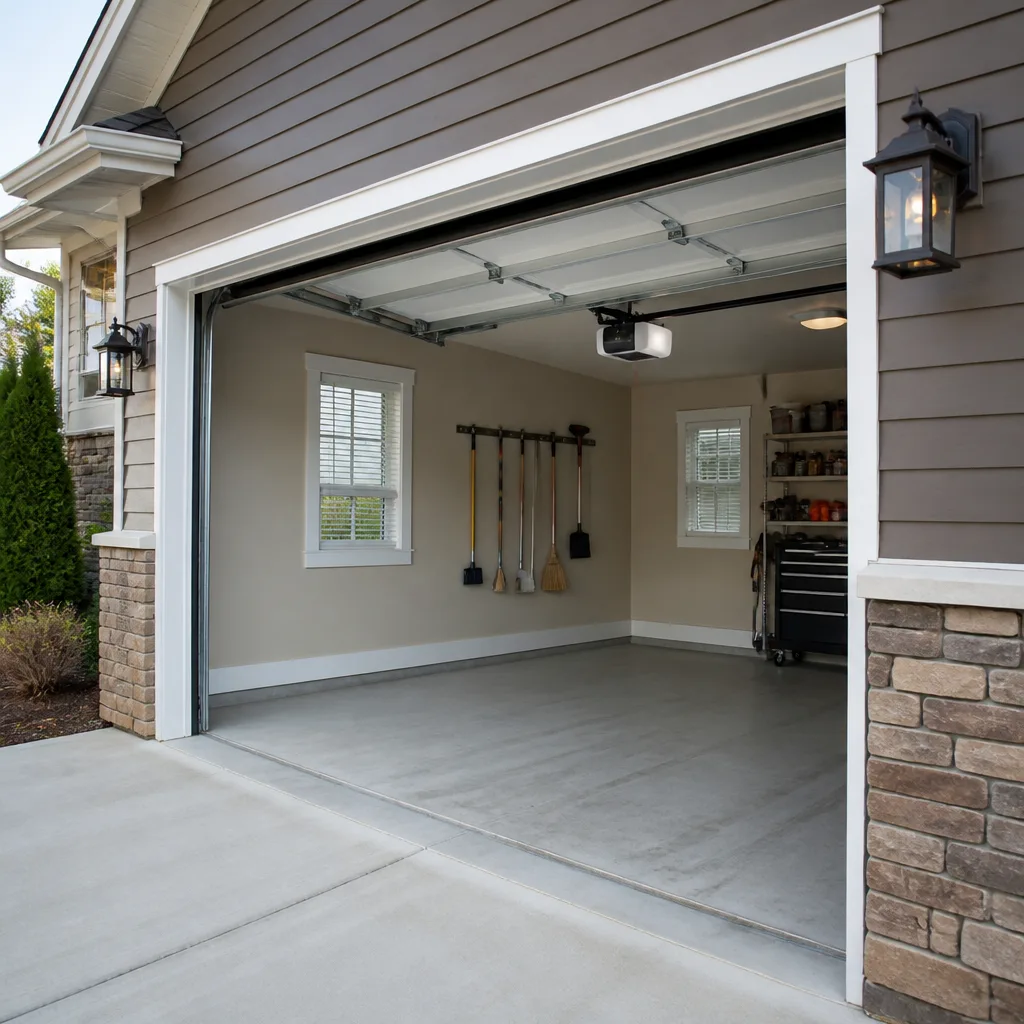 LiftMaster openers
 Chamberlain openers
Full 25-point door and opener safety check with every visit - springs, cables, rollers, tracks, and your LiftMaster or Chamberlain opener included
You get a price before we start. It does not change when the pro arrives.
Get your free estimateGarage Door Warning Signs: A Port St. Lucie Homeowner’s Reference Guide
A garage door that hesitates for two seconds before closing isn’t “getting old.” It’s telling you something specific is failing, and in a Florida summer, that something usually gets worse within days, not months. Most homeowners wait until the door stops working entirely. By then, a cheap repair has turned into a bigger one. This guide covers what each warning sign actually means mechanically, which ones are genuine emergencies, and which ones can wait until next week. We’ve written it for Port St. Lucie homeowners who want to understand their door before it fails, not after.
Quick Answer
The warning signs that mean stop using your garage door immediately are a snapped spring, a frayed or hanging cable, a door that comes down unevenly or slams, and any grinding or binding you can hear from inside the house. Slower signs – a door that hesitates, a remote that works intermittently, or a photo-eye that needs a nudge – usually mean booking a repair this week. In Port St. Lucie’s heat and humidity, these minor symptoms tend to accelerate fast, so the gap between “notice it” and “fix it” is shorter than most people expect.
Styles & brands we work with
- Raised-panel steel
- Carriage house
- Modern flush
- Full-view glass
- LiftMaster openers
- Chamberlain openers
Table of Contents
- Spring Wear vs. Opener Heat Stress: How to Tell Them Apart
- Why Rust Streaks Below the Door Are a Red Flag
- What “It Shakes on the Way Down but Not Up” Tells a Technician
- Warning Signs Unique to Humid Climates
- Noise and Vibration: What Each Sound Points To
- A Triage System: Stop Now, Call This Week, Plan Ahead
- Simple Checks You Can Do Without Tools
- When to Call a Professional
Spring Wear vs. Opener Heat Stress: How to Tell Them Apart
A slow door is the most common complaint we hear, and it has two very different causes. One is mechanical – the torsion or extension springs have lost tension over time, so the door feels heavier than the opener was set up to lift. The other is electrical – the opener motor itself is overheating, usually because it’s working harder than it should in a hot garage. Telling them apart at home comes down to listening and watching, not tools.
Here’s how a technician separates the two:
- Disconnect the opener and lift the door by hand. If it feels heavy or won’t stay open at the halfway point, the springs are the problem. A properly tensioned door should lift with one hand and stay put when you let go.
- Listen to the motor. A strained, whining, or growling opener that struggles but the door moves fine by hand points to motor or gear wear, not springs.
- Watch for the opener stalling then restarting. That pattern usually means thermal overload protection is kicking in. In a Port St. Lucie garage that regularly hits triple digits inside, this happens faster than most homeowners realize.
- Check how it fails. Springs fail suddenly and dramatically. Opener heat stress fails gradually – the door gets slower over weeks, then the motor quits.
Why does the climate matter here? A garage in Port St. Lucie absorbs heat all day. Opener motors rated for moderate use are running in an environment that pushes them harder. On top of that, the humidity accelerates wear on the internal gears and lubrication inside modern units, including LiftMaster and Chamberlain models we see on many local homes. If your opener is a Wi-Fi or MyQ-connected unit, some of these systems log motor faults you can check before calling anyone.
If your door lifts easily by hand but the opener still strains, the fix is usually a garage door opener repair – often a gear or capacitor replacement rather than a whole new unit.
Why Rust Streaks Below the Door Are a Red Flag
Orange-brown streaks on your driveway, just past the door’s travel path, are one of the most misunderstood warning signs we see. Homeowners assume it’s concrete staining, irrigation runoff, or fertilizer. Sometimes it is. But if the streaks line up with where the door’s bottom rollers or cables pass over the floor, it’s usually rust transferring from a failing component above.
The mechanism is straightforward. Humidity in the Port St. Lucie air condenses on metal tracks, cables, and roller stems. Bare or worn metal corrodes. As the door cycles open and closed, that rust works its way down and drips or gets wiped onto the concrete below. The location of the streaks tells you which piece is failing:
- Streaks at both ends of the door travel path: roller stems or bottom brackets are corroding.
- A single streak near one side: a cable is fraying and shedding rusted strands.
- Streaks across the middle: the bottom seal or panel hardware is holding moisture against the floor.
Rust streaks matter for two reasons. First, they tell you a component is degrading faster than it should. Second, and more importantly, a rusted cable is a safety issue. Garage door cables are under extreme tension. A cable that has been corroding can snap without warning, and when it does, it whips with enough force to cause serious injury. We never recommend trying to inspect, tighten, or replace a cable yourself. If the streaks clearly line up with a cable, stop using the door and get a trained technician out.
This is also why we always recommend a visual check of the whole door during routine Port St. Lucie humidity seasons. Concrete stains are easy to ignore. Rust from a failing cable is not.
What “It Shakes on the Way Down but Not Up” Tells a Technician
This symptom is a diagnostic goldmine if you understand what’s happening mechanically. When a door goes up easily but shakes or shudders on the way down, gravity is doing work the opener normally handles, and that extra load exposes a weak point. Nine times out of ten, it points to one of four components:
- A worn or bent track. On the way up, the opener pulls the door along the track. On the way down, the door slides by gravity. A slight kink in the track resists sliding far more than pulling, so the door jerks as each roller passes the bend.
- Roller wear on one side. Rollers on one side of the door face more load depending on the door’s balance. When those rollers wear flat, the down-direction drag makes the flat spot visible as a shutter.
- Loose hinge or bracket hardware. The down path transfers vibration through loose bolts. The up path pushes the door against the track and dampens the same vibration.
- A cable that’s skipping the drum. This is the most serious. If a cable is not seated cleanly in the drum and slips slightly as the door descends, you’ll see a sudden shake and hear a sharp click. That’s an immediate stop-use situation.
A technician will also look at the door’s balance itself. A door that’s out of balance often shakes on the down-travel because the spring doesn’t provide the same counterpressure in both directions. Correcting the balance by adjusting the springs is not a homeowner job. Torsion springs, in particular, are under enough tension to cause severe injury if they’re handled wrong. That’s one of the reasons we never give DIY spring instructions – if the shake points to spring or cable issues, it needs a professional on site.
If the door is also making a grinding sound, don’t wait. Call a garage door repair specialist and describe the direction-specific shake. That single detail can save the technician an hour of diagnosis.
Warning Signs Unique to Humid Climates
Port St. Lucie homes deal with something a lot of generic garage door guides ignore: sustained humidity. It changes which warning signs you’ll see and how quickly they show up. Here’s what we’ve learned to look for in homes across the area, including neighborhoods near Tradition, Torino, and St. Lucie West.
- Swelling panels and sticking seals. Wood-composite and some insulated steel panels absorb moisture through seams and edges. Panels that were perfectly aligned in a dry month can bind or rub by mid-summer. If your door suddenly scrubs when it opens but was fine in the spring, humidity swelling is a strong suspect.
- Photo-eye moisture interference. The safety sensors at the door base have lenses that fog, bead with condensation, or collect water spots in humid air. If your door closes halfway and reverses, the photo-eye is the first place to look. Wipe the lenses with a dry cloth and see if the issue clears. If it returns within days, the sensors or wiring need attention.
- Cable fraying patterns. Humidity doesn’t cause cables to fray by itself, but it accelerates the corrosion that does. Cables on humid-climate doors often fail from the inside out – the outer strands look fine while the inner strands have rusted thin. A trained eye can spot the swollen or slightly fuzzy profile of a compromised cable before it fails. That’s not something you can reliably judge by looking.
- Seal sag and weatherstrip degradation. Bottom seals in Port St. Lucie degrade faster than in drier climates because they stay damp. A sagging bottom seal doesn’t just let hot air in – it changes how the door seats against the floor, which can stress the opener.
We see all of these in homes with Genie, Clopay, and LiftMaster systems alike. The brand rarely changes the pattern; the climate does.
Noise and Vibration: What Each Sound Points To
Your ears are the most underrated diagnostic tool in garage door maintenance. Every component has a signature sound when it fails, and matching the sound to the part saves you time and money.
- A sharp bang followed by a completely dead door: almost always a broken spring. Stop using the door and call for same-dispatch help.
- A rhythmic thumping that speeds up with the door: usually a flat-spotted or seized roller, or a bent hinge.
- A grinding or growling from the opener head: worn gears inside the motor unit. Common in older Chamberlain and Genie units, especially in hot garages.
- A scraping sound along the whole travel path: the door is contacting the track or the bottom seal is dragging. Usually a track alignment or seal issue.
- A bang at the start or end of travel: the travel limits on the opener are set too far, forcing the door to hit the floor or header. Easy to fix once it’s diagnosed.
One more sound cue: a chain-driven opener that suddenly runs much louder than it used to. On hot days in Port St. Lucie, the chain expands slightly and can slap against the rail. That’s not a failure on its own, but it’s a sign the tension needs checking. Most technicians will handle the noise and check the whole door’s operation while they’re there.
If you’re hearing anything on this list and can’t place it, describe it when you call. Words like “grinding,” “thumping,” and “clicking” mean very different things to a technician, and they’ll route you the right help faster.
A Triage System: Stop Now, Call This Week, Plan Ahead
Not every warning sign is an emergency. Sorting symptoms into three tiers lets you make a smart call without overreacting. Here’s how we think about it when we talk to Port St. Lucie homeowners.
Tier 1: Stop Using the Door Now
- You heard a loud bang and the door won’t lift.
- A cable is visibly hanging, frayed, or has come off the drum.
- The door comes down unevenly, or one side is lower than the other when open.
- The door slams at the bottom instead of stopping smoothly.
- You see rust streaks directly under a cable and the door is moving slowly or jerking.
In these cases, disconnect the opener (most have a red pull cord) and leave the door closed until a technician arrives. Never try to lift a door with a broken spring or cable. It can weigh several hundred pounds and will drop without warning.
Tier 2: Call This Week
- The door hesitates before moving, then opens or closes normally.
- The photo-eye needs cleaning more than once a month.
- There’s a new noise that’s consistent but not dramatic.
- A remote or wall station works only part of the time.
- The door shakes on the way down but not up.
These symptoms rarely fail instantly, but in Port St. Lucie’s heat they can progress within days. Booking within the week keeps a minor repair from turning into a bigger one.
Tier 3: Plan Ahead
- The door needs a firm push to get started in the morning.
- Panels are swelling slightly at the seams.
- The bottom seal is starting to look worn or curled.
- Your opener is older than the door and hasn’t been serviced.
This is the “schedule a service visit when convenient” group. If your Port St. Lucie home is heading toward needing a full replacement – say a Clopay or Amarr door that’s reached the end of its life – that’s a smooth conversation to have now rather than the week it fails.
Simple Checks You Can Do Without Tools
A few minutes of observation each month catches most of these signs early. None of these involve touching springs or cables – those are for a trained technician only. These are the safe, visual checks a homeowner can do.
- Open and close the door and watch it move. Note any hesitation, jerkiness, or uneven travel.
- Listen carefully during the cycle. Any new sound means something changed. Write down when it happens.
- Stand at the door base and check the photo-eye lenses. Look for water spots, condensation, or debris. Wipe with a dry cloth.
- Look at the driveway just past the door path. Any new streaks mean rust from a component is transferring down.
- Check the bottom seal by hand. It should be flexible and sit flat against the floor. A curled or hard seal needs replacing.
- Test the safety reverse. Place a small box or object in the door’s path and press close. The door should reverse immediately.
If any of these turn up a Tier 1 or Tier 2 sign, call it in and describe it. Our technicians handle the door, the opener, and everything at the safety level. We’re set up for the full Tundra Garage Door Repair range of work, which means we don’t need to hand off a spring repair to a different company from the one that services the opener.
Common Mistakes to Avoid
- Assuming the door is “just getting old.” Age isn’t a diagnosis. Every symptom means something specific, and treating a slow door as normal usually lets a small issue grow into a spring or opener failure.
- Trying to tighten or replace springs yourself. Springs are the single most dangerous part of the door. There’s real risk of severe injury here, so this is one where a technician handles it end to end.
- Painting over rust streaks on the driveway. It hides the symptom but leaves the failing part in place. The streaks are a message, not a cosmetic problem.
- Pushing the door up by hand to “help” the opener. It masks the underlying failure and stresses other components. If the door won’t move with the opener disconnected, the springs need attention.
- Ignoring a photo-eye issue because “it usually works.” A door that reverses unexpectedly is a safety risk for kids, pets, and cars. Clearing the lens is fine; persistent fail-and-reset means wiring or sensor replacement.
- Waiting for the humidity to “pass.” Port St. Lucie humidity doesn’t pass. It’s part of the environment all year. Swelling panels, sticking seals, and rusty hardware don’t fix themselves when the season changes.
- Mixing brands across the repair. If you call a specialist who only handles one brand, they may push a full replacement when a simple repair on the existing unit would work. Ask whether they service your door and opener brand, and how they’ll diagnose the symptom you described.
See the difference
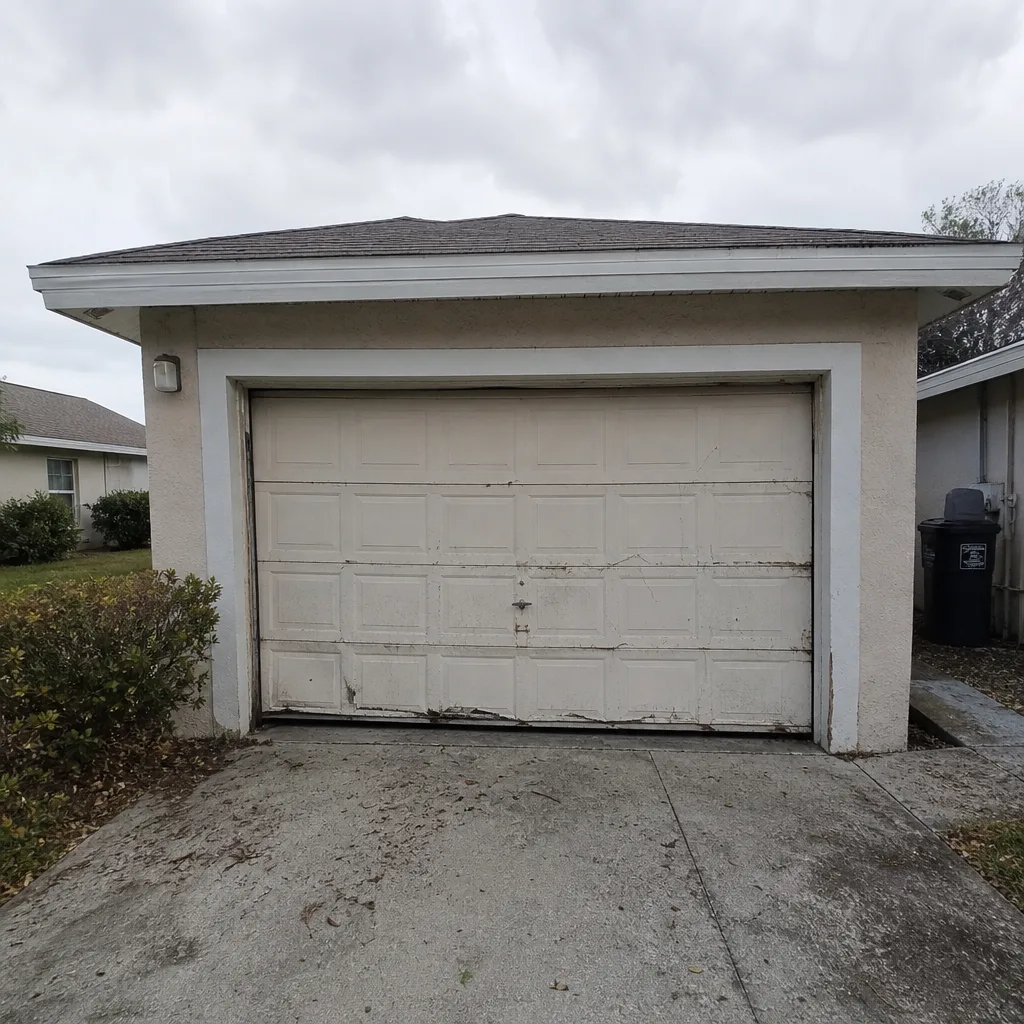 Before
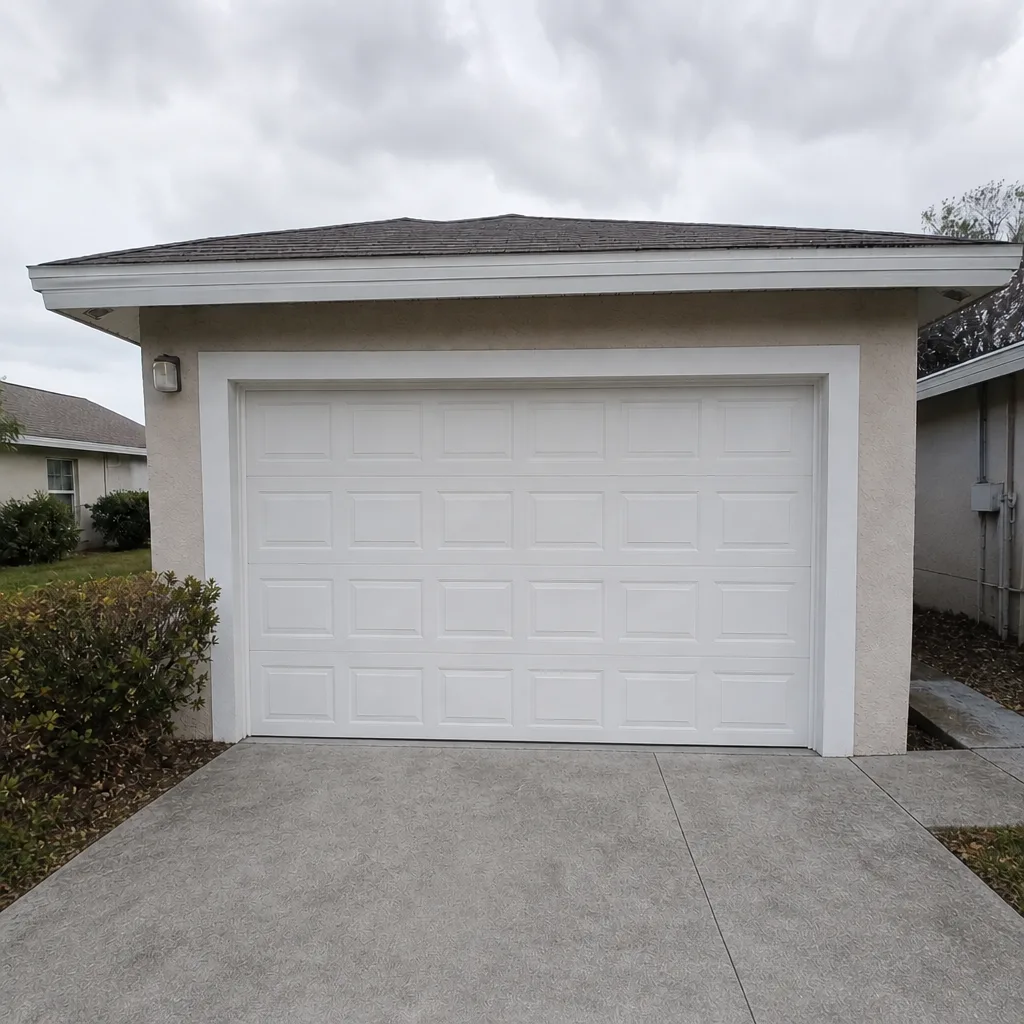 After
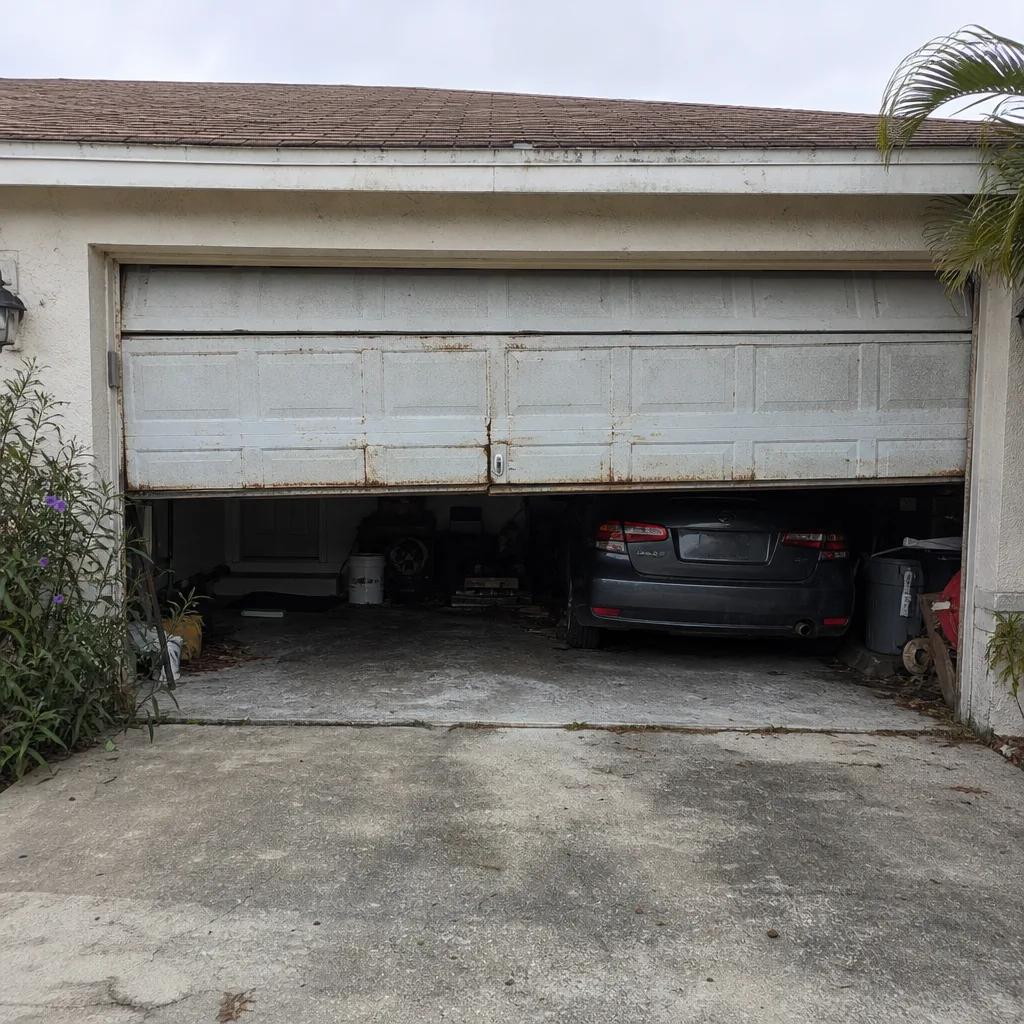 Before
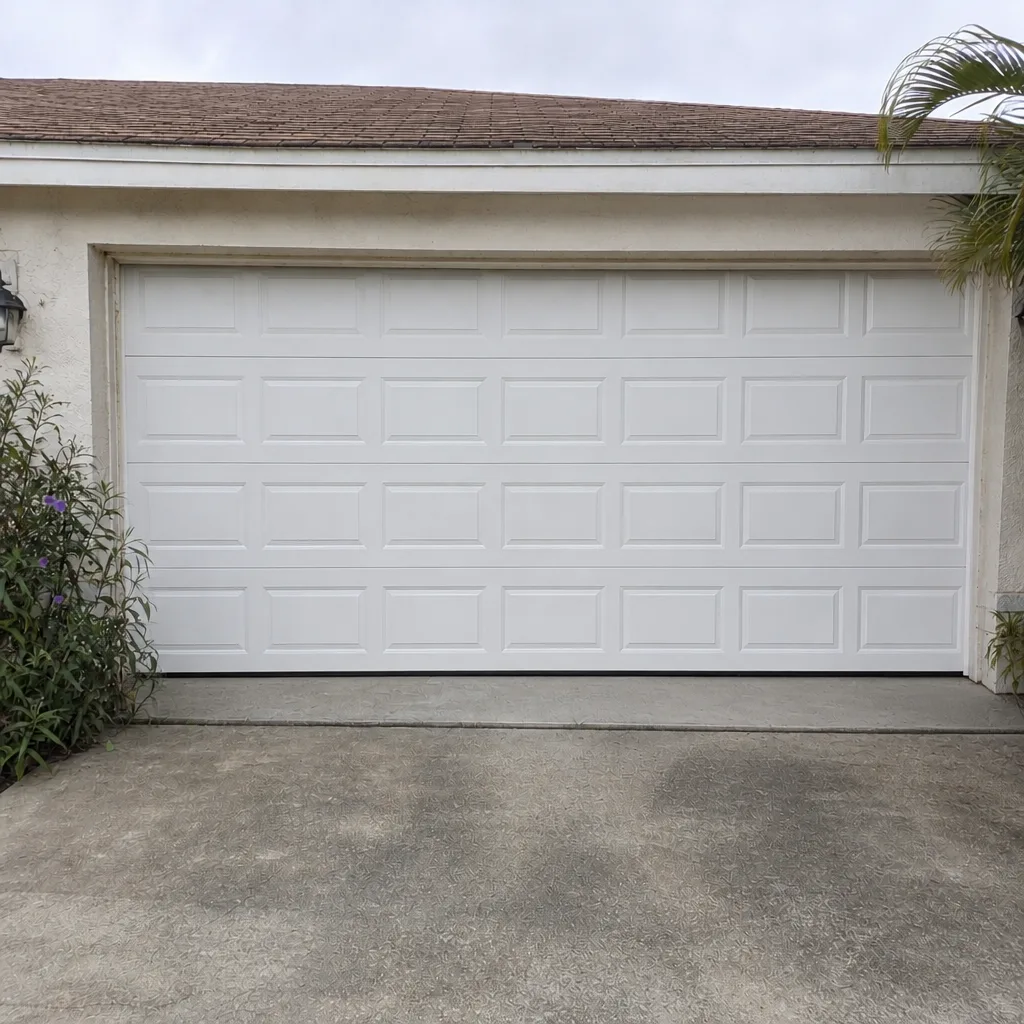 After
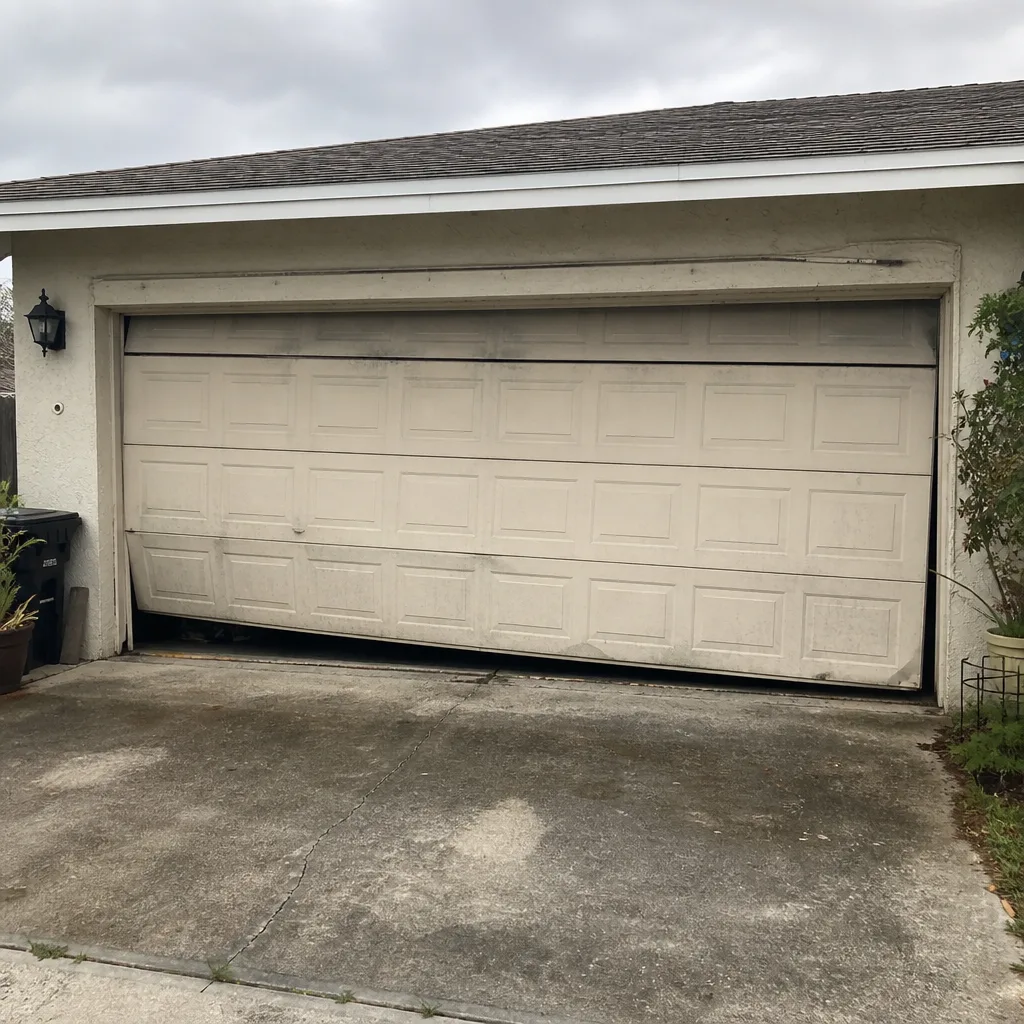 Before
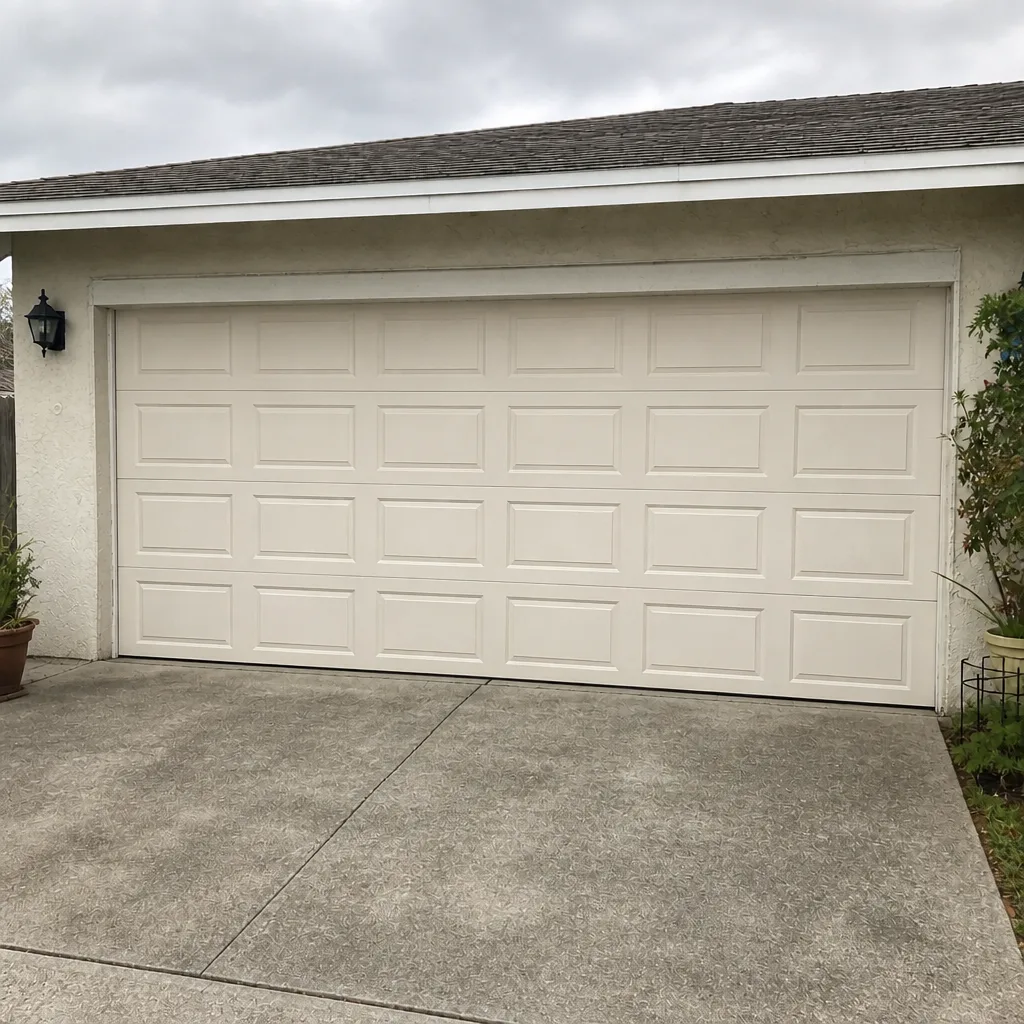 After
When to Call a Professional
Call a professional the moment you hear a sharp bang and the door stops moving, or when any cable is visible from the outside of the door and looks frayed or hanging. Those are the two most common genuine emergencies. Call this week if the door hesitates, if the door shakes on the way down but not up, if rust streaks have appeared below the door path, or if the photo-eye seems to be failing more than once a season. Those aren’t emergencies, but in Port St. Lucie’s heat and humidity they rarely resolve on their own. If your opener is overheating, running slow, or failing intermittently, it’s worth booking a call before the door fails completely. Tundra Garage Door Repair offers free estimates in Port St. Lucie – call (833) 847-0310. We answer 24/7, with fast dispatch from 7am to 7pm, Sunday through Friday.
Frequently Asked Questions
The rust streaks on the driveway below the door path. Most people think it’s a concrete stain, but if the streaks line up with where the door passes, it’s usually a corroding cable, roller stem, or bracket. Rust from a failing cable is a safety issue, so call and describe the streaks rather than ignoring them.
Yes, book it. A door that hesitates before closing is telling you either the springs have lost tension or the opener is working harder than it should. In Port St. Lucie’s heat, the second cause is common – opener motors overheat in garage temperatures. Catching it now prevents the motor from failing months later.
No. Stop using the door and disconnect the opener. A frayed cable will snap under load, and when it does, it whips with enough force to cause serious injury. Do not try to remove or replace it yourself – call for a technician.
Spring repair is quoted per job after we see the door, and we can’t give you a real number until we do. The written estimate sets the price, and the estimate itself is free. Call (833) 847-0310 for a specific quote on your door.
Gravity exposes weak components on the down travel. The most common causes are a slightly bent track, worn rollers on one side, loose hinge hardware, or – the serious one – a cable not seated cleanly in the drum. Describe that down-but-not-up pattern when you call; it points the technician to the right diagnostic path fast.
Our technicians are experienced and trained to handle everything from spring replacement to opener repair to new door installation across the brands you likely already own – LiftMaster, Chamberlain, Genie, Clopay, and others. We quote the price before any work starts so you know the number before the door comes apart. Call (833) 847-0310 to get started – estimates are free.
The Bottom Line
Every warning sign on your garage door means something specific. A hesitation before closing is usually spring wear or opener heat stress. A shake on the way down points to track, rollers, or a cable. Rust streaks on the driveway are a signal about the component above, and in Port St. Lucie’s humidity, they show up faster than in drier climates. Use the three-tier triage system: stop now if you hear a bang, a cable looks bad, or the door moves unevenly; call this week if the door hesitates, shakes, or the photo-eye keeps failing; plan ahead if panels are swelling or the door needs a nudge to start. Calling early keeps a small repair small. We service every door and opener in your Port St. Lucie home across the brands you already own, and one call covers it all – repair, opener, or full installation when the time comes. If you’re near the Port St. Lucie area and any of these signs are showing up, call (833) 847-0310 for a free estimate. We answer 24/7 with fast dispatch from 7am to 7pm, Sunday through Friday.
Written by the team at Tundra Garage Door Repair.