
Last updated November 15, 2026
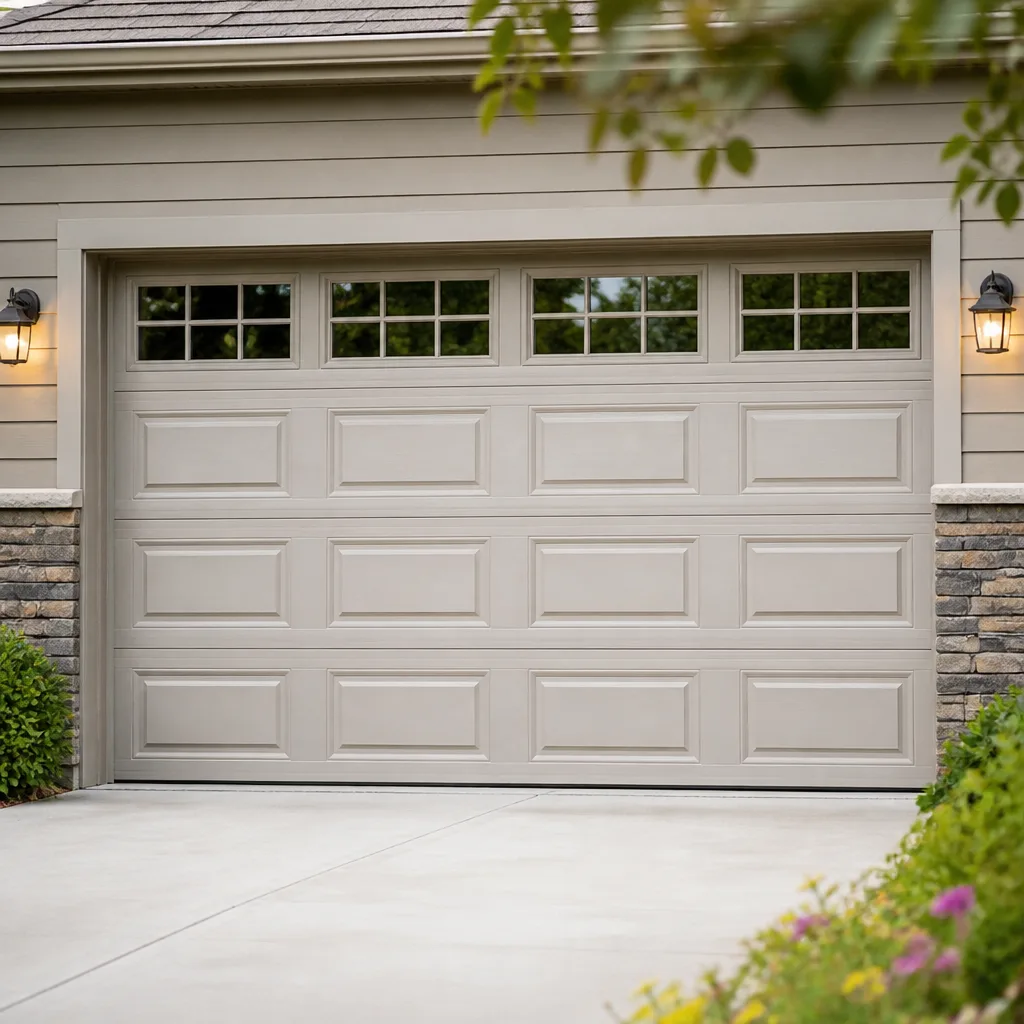 Raised-panel steel
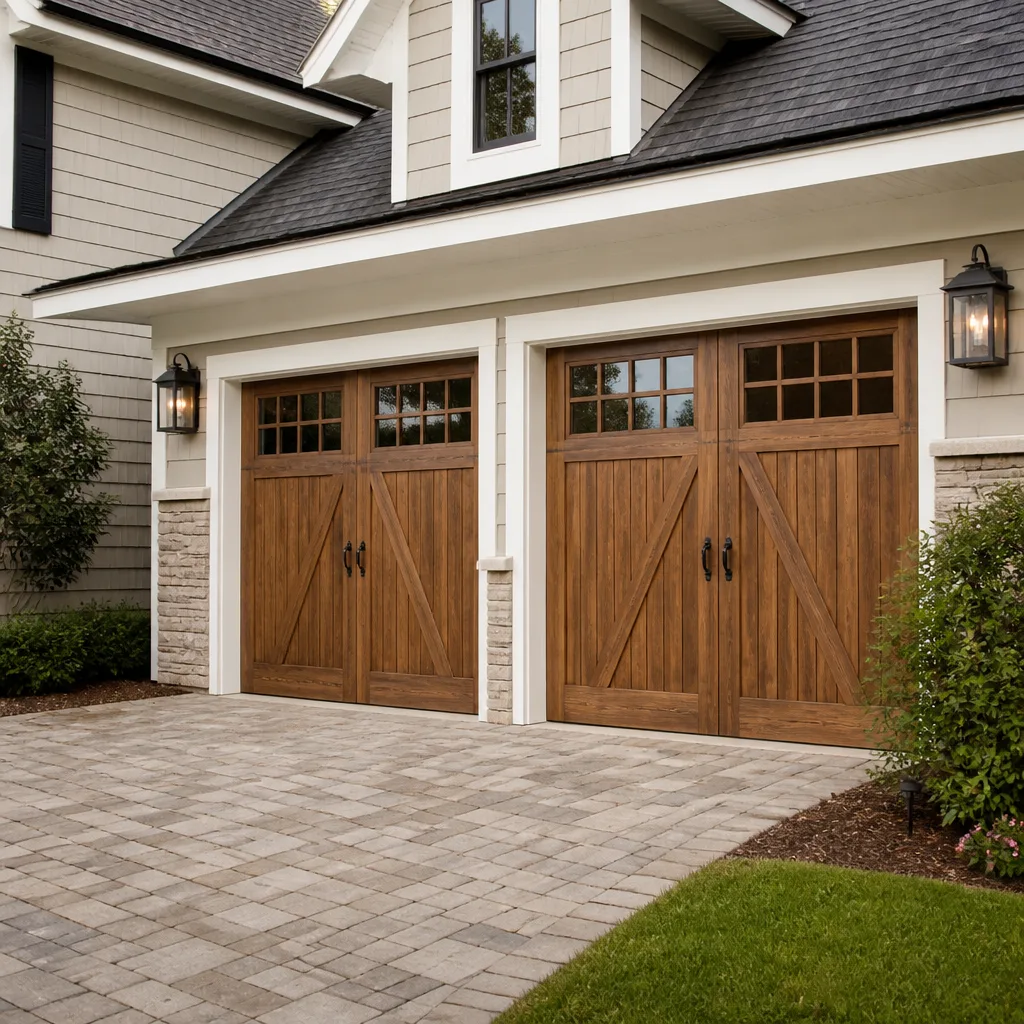 Carriage house
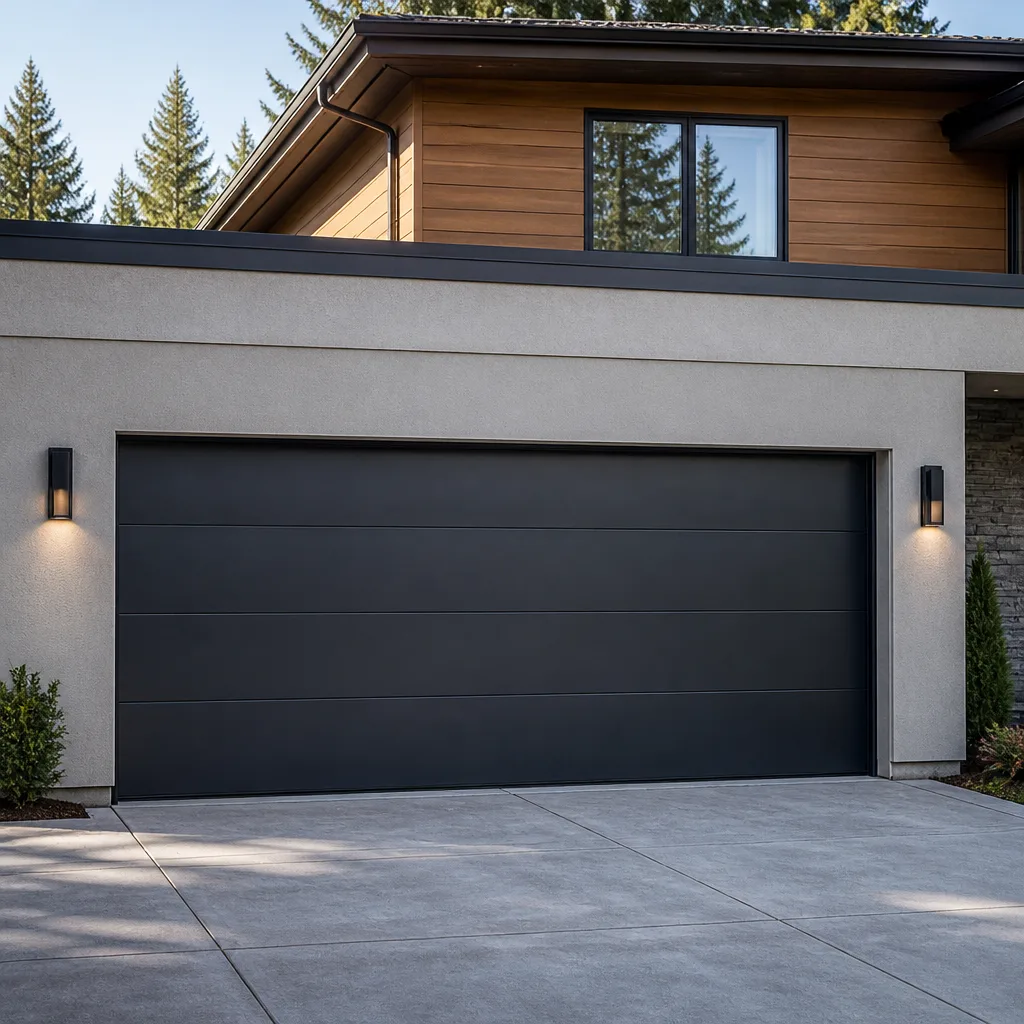 Modern flush
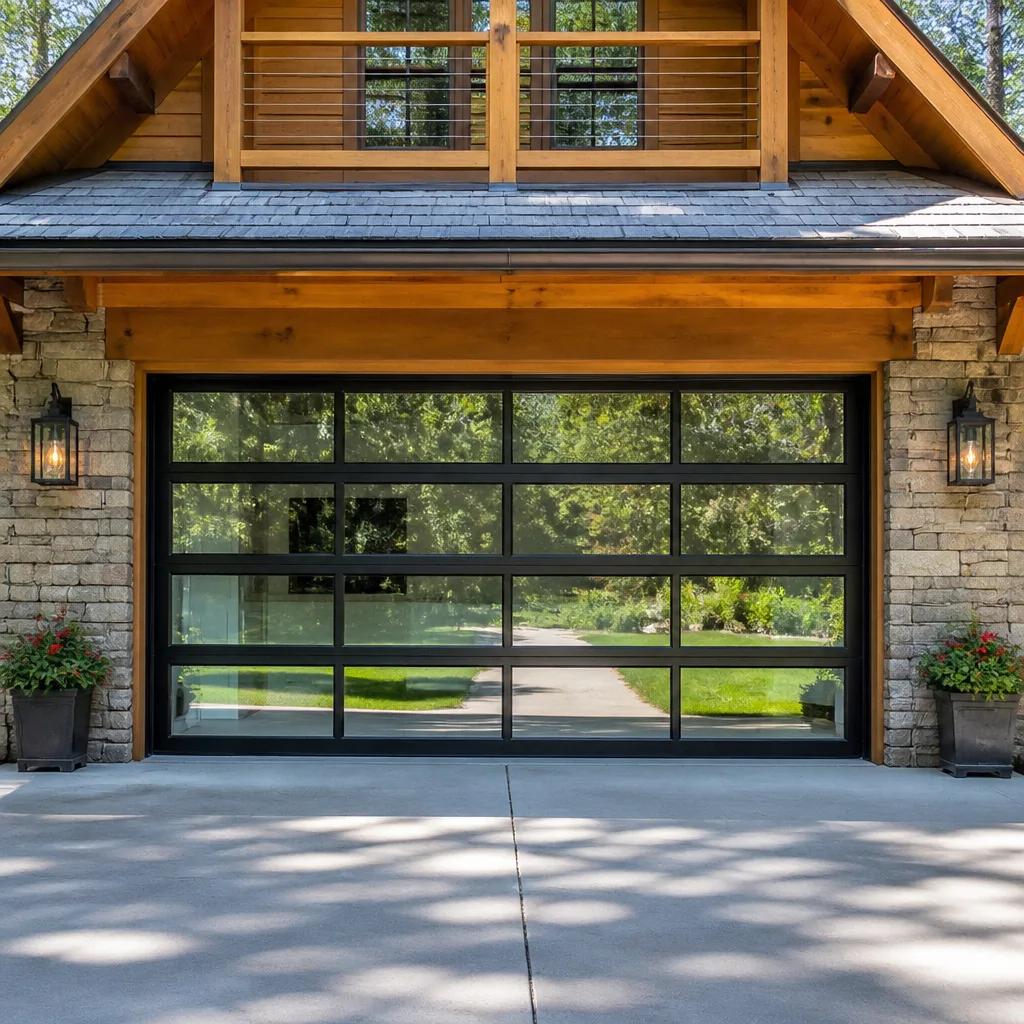 Full-view glass
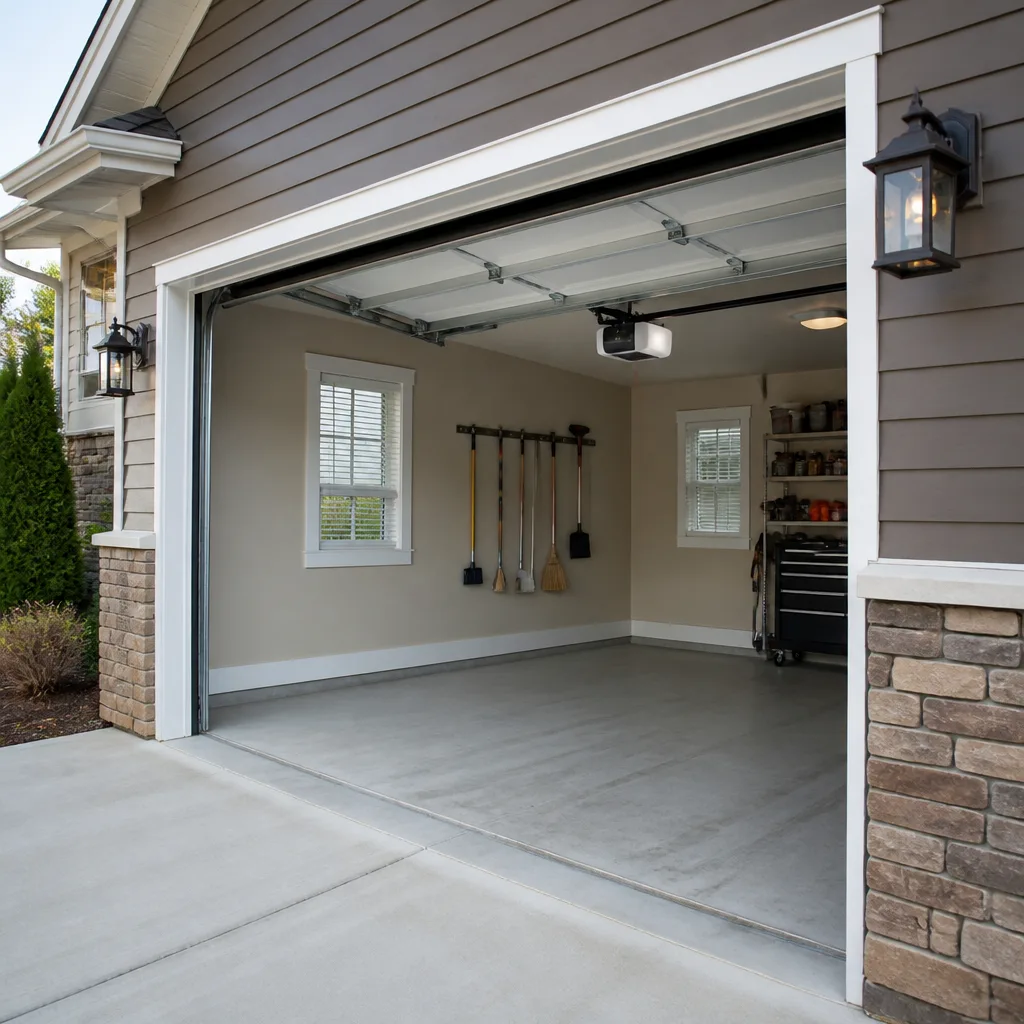 LiftMaster openers
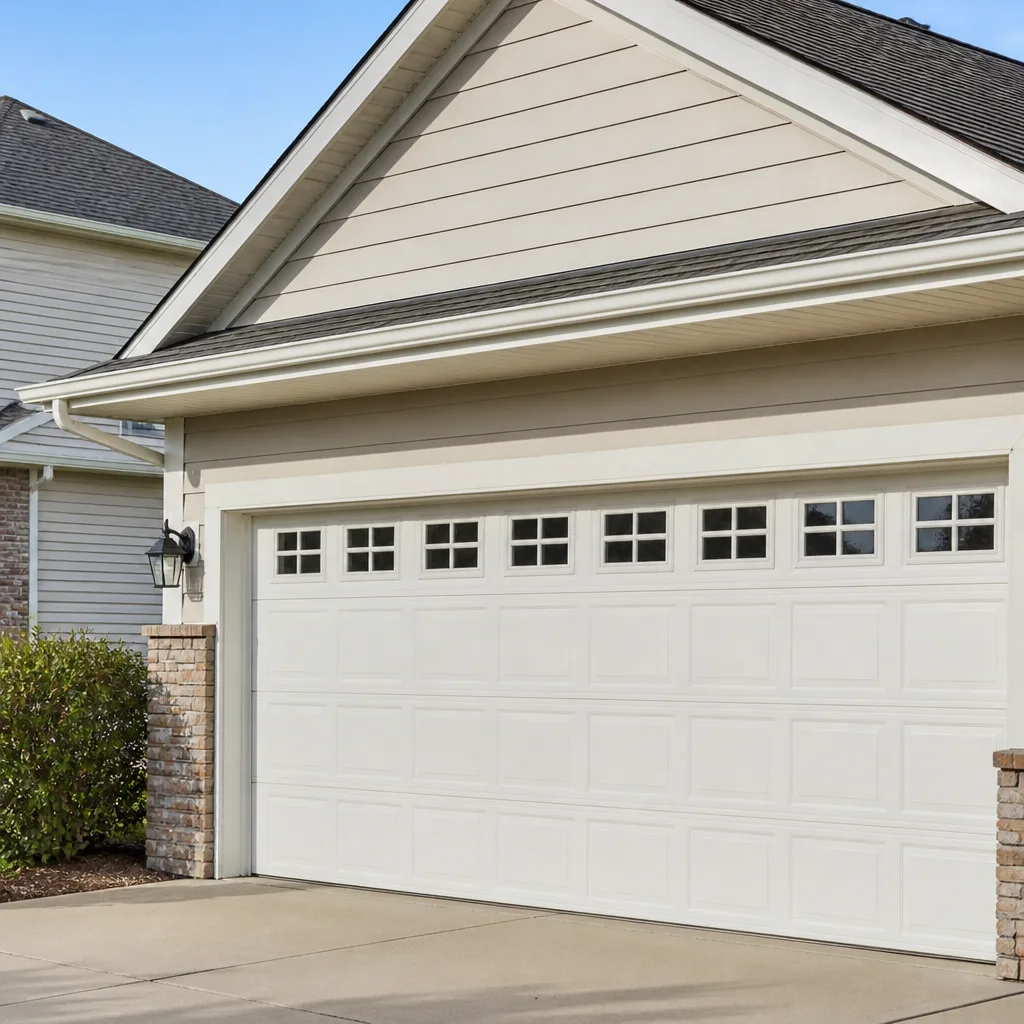 Chamberlain openers
Full 25-point door and opener safety check with every visit - springs, cables, rollers, tracks, and your LiftMaster or Chamberlain opener included
You get a price before we start. It does not change when the pro arrives.
Get your free estimateGarage Door Cost Breakdown: The Port St. Lucie Homeowner’s Reference for 2026
The cheapest garage door quote you’ll get in Port St. Lucie in 2026 may not include wind-load certification, and that gap is where budgets quietly break. A door that isn’t rated for the wind pressures this part of Florida sees can pass a quick visual check and still fail an inspection, an insurance review, or a storm. What follows is a ground-level reference for what doors, openers, and repairs actually cost here, why those numbers move the way they do, and how to compare two quotes that look the same on the surface but aren’t. You’ll see real ranges, the line items most guides skip, and the questions that separate a solid contractor from a fast one.
If you’d rather talk it through with someone who works on South Florida doors daily, Tundra Garage Door Repair takes calls for exactly this kind of planning.
Quick Answer
In Port St. Lucie in 2026, a standard single-car steel door installation typically runs about $1,200 to $2,800, a double-car steel door about $2,000 to $4,500, and aluminum or fiberglass doors land higher depending on glazing and build. Repairs, from springs to openers, usually fall between $150 and $650 per issue, and a new opener installed runs roughly $350 to $900. Wind-rated, Florida Product Approved doors sit at the upper end of every range, and the written estimate always sets your final price.
Styles & brands we work with
- Raised-panel steel
- Carriage house
- Modern flush
- Full-view glass
- LiftMaster openers
- Chamberlain openers
Table of Contents
- What Actually Drives Garage Door Cost in Port St. Lucie
- Door Types and Their 2026 Price Ranges
- Florida Product Approval: The Line Item Most Quotes Skip
- Permits and Inspections as a Real Cost
- Timing Your Project Around Post-Storm Demand
- Repair vs. Replace: The Math Most Homeowners Get Wrong
- Long-Term Cost of Ownership by Brand
- Opener Costs and Why Electronics Change the Bill
- Common Mistakes to Avoid
- When to Call a Professional
What Actually Drives Garage Door Cost in Port St. Lucie
Garage door pricing is rarely about the door alone. In Port St. Lucie, five forces stack on top of the base panel price, and understanding them is what keeps a quote honest. The first is wind rating. Doors sold here generally need to meet Florida Product Approval standards for the wind zone they’re installed in, and a rated door costs more than an unrated one before you ever add installation. The second is size and section count: a double-car door uses more panels, heavier springs, and a larger track, so labor and hardware scale with width. The third is material. Steel is the workhorse, aluminum resists corrosion better in humid air, and fiberglass with glazing sits at the top. The fourth is the opener, which we cover separately because electronics behave nothing like hardware. The fifth is timing. Demand spikes after storm season, and labor pricing follows demand in any market.
Climate matters in a way that surprises people moving here from cooler states. Port St. Lucie’s humid summers and year-round warmth accelerate corrosion on untreated steel and stress the lubricants in tracks and rollers. That doesn’t mean every door needs to be premium; it means the door and hardware you choose should be specified for a humid climate rather than a cold one. A door built to handle northern winters is often over-engineered in the ways you don’t need and under-specified in the ways you do.
One more factor most guides ignore: the kind of housing stock. Port St. Lucie’s newer subdivisions tend to have uniform two- and three-car garages built quickly during the boom years, which means many homes hit their first major door and opener replacement at roughly the same age. That clustering matters for scheduling and for how contractors price volume work.
Door Types and Their 2026 Price Ranges
Here’s a working reference for what the most common door types cost to install in Port St. Lucie in 2026. Treat these as typical estimates; the written estimate on your specific opening is the number that counts.
- Single-car steel, basic: roughly $1,200 to $2,000 installed. The most common choice for starter homes and rentals; solid, serviceable, modest insulation.
- Single-car steel, insulated: roughly $1,800 to $2,800 installed. Better for attached garages where heat and humidity creep into the house.
- Double-car steel: roughly $2,000 to $3,800 installed for uninsulated, $2,800 to $4,500 for insulated.
- Aluminum (full-view or with windows): roughly $2,500 to $5,500 installed depending on glazing and frame finish. Popular in modern façades and on homes with a courtyard driveway.
- Fiberglass: roughly $2,200 to $4,800 installed. Lightweight, resists rot, and takes paint well, though some fiberglass panels demand careful handling in high wind.
- Wind-rated, Florida Product Approved versions of any of the above: add roughly 10% to 30% to the range. This is the line item most homeowners miss.
The spread within each category isn’t arbitrary. Insulation, gauge of steel, finish (powder-coated versus painted), window inserts, and whether the door is a stock size all push the price up or down. If you own a Clopay or Amarr door already, matching a replacement profile and color to the rest of the house is usually easier than starting from scratch, and it can keep your exterior consistent.
When you’re comparing brands, ask two things: which door is rated for this wind zone, and how quickly can hardware for it be sourced locally? A door that needs a special-order panel for a simple future repair isn’t a bargain at any price.
Florida Product Approval: The Line Item Most Quotes Skip
Florida Product Approval is a state-level certification that a building product meets the wind and impact standards for its installation location. Doors in Port St. Lucie generally need a rated product with documentation on file, and that documentation is what an inspector or an insurer’s reviewer will ask to see. When a quote doesn’t mention rating, ask directly: which product approval number applies to this door in my install location?
Here’s a numbered breakdown of how that requirement changes your project:
- Product selection: you pick a door with a valid approval for the wind zone your address sits in. Not every door in a manufacturer’s catalog qualifies for every location.
- Installation details: rated doors require rated installation, which means specific anchors, reinforcement, and track mounting. A cheap installer can void the approval by installing it like an unrated door.
- Documentation: you keep the product approval paperwork with your home records. An inspector or a future buyer’s insurer may ask for it.
- Cost impact: expect roughly 10% to 30% above the unrated door of the same style, plus any reinforcement hardware the installer includes.
We’ve seen too many quotes that read well until you realize the door offered isn’t rated for Port St. Lucie. The correction costs more than doing it right the first time. Ask your city’s building department what documentation they expect for your address, and keep those answers with your quote packet.
Permits and Inspections as a Real Cost
A permit isn’t a formality; it’s a line item. Most Florida municipalities require a permit for a garage door replacement or a structural change like widening an opening, and inspections follow the work. In Port St. Lucie, a permit for a door replacement typically adds roughly $75 to $250 to the project depending on the scope, and that number is the one contractors often leave off the quote, then add later.
What to ask before signing:
- Is the permit fee included in your quote or billed separately?
- Who pulls the permit, and who signs off on the inspection?
- Is the door and installation you’re proposing documented to pass inspection the first time?
- What happens if the inspection flags something – is the fix in your scope or mine?
A contractor who won’t answer those in writing is telling you something. And a permit isn’t just for the inspector: if you ever sell the home, unpermitted work on the garage opening has a way of surfacing during the buyer’s inspection and slowing the deal.
Inspection timing also affects scheduling. Inspectors don’t always come the same day, so a project that starts Monday may not close out until Wednesday or Thursday. Build that into your timeline rather than being surprised by it.
Timing Your Project Around Post-Storm Demand
South Florida’s storm season ends in late fall, and in the weeks after, garage door demand in Port St. Lucie climbs. Storm damage, deferred maintenance that finally gets addressed, and the rush to shore up a home before the next system all collide. That demand surge moves labor pricing and stretches schedules. If your door is failing but not urgent, booking in the quieter months of the year often means better availability and a more competitive price.
Our advice on timing:
- Book ahead: if the door is on its last leg but still working, schedule the replacement 4 to 8 weeks out rather than waiting until it fails.
- Expect surge windows: the weeks right after a major storm often see higher labor pricing and longer lead times on custom doors.
- Consider the opener separately: an opener replacement can usually be scheduled faster than a full door swap because it doesn’t wait on custom panel production.
- Avoid panic replacements: a failed spring in peak season tempts quick decisions. Get the free estimate before you commit.
None of this means you should live with a broken door. It means that the homeowners who plan get the better end of the market, and the ones who wait for a failure at the wrong moment pay for the timing.
Repair vs. Replace: The Math Most Homeowners Get Wrong
The instinct is to repair whenever possible, and often that’s right. But repair-vs-replace isn’t a coin flip, and Port St. Lucie has some local factors that change the math. Three things decide it: age, corrosion level, and parts availability.
- Age: a door is generally good for 15 to 25 years with regular service. Past the mid-range of that span, major repairs start paying for a door you’ll replace anyway.
- Corrosion: in this climate, untreated steel develops rust jacking – the rust pushes panels apart and the door loses structural integrity. Once it’s showing at panel seams or fasteners, repairs don’t buy you much time.
- Parts availability: this is where brand matters most. Hardware for common systems, including Clopay and Wayne Dalton panels and most major openers, is broadly available locally. Less common or discontinued systems can require special orders, which drives repair cost up and creates delays.
As a rule of thumb: if the repair cost exceeds about half the cost of a new door and the door is past its mid-life, replacement is usually the smarter money. If the door is under 10 years old, well-maintained, and the failure is isolated (spring, roller, opener), repair is almost always the call.
We see this decision made on emotion often. A homeowner hates the door after one bad week and replaces a 7-year-old unit that had years of service left. The written estimate for both paths is the way to decide with numbers instead of frustration.
Long-Term Cost of Ownership by Brand
The brand of your door and opener shapes not just the purchase price but what you’ll pay in repairs and how long you’ll wait for parts. Here’s how to think about it.
Clopay and Amarr are among the most widely installed residential doors, and their hardware and panel profiles are broadly stocked in the region. That means a spring, roller, or cable repair usually doesn’t rely on special-order parts, and matching a replacement panel to your existing door is easier.
Wayne Dalton systems are also common in South Florida, particularly where thermal performance matters. Their hardware is available, though some model-specific parts may take longer to source than universal components.
For openers, LiftMaster, Chamberlain, Genie, and Craftsman together cover the large majority of residential systems in use. That matters because opener repair, belt and screw drive parts, and especially smart-connected electronics are easier to service when the technician knows the platform. A Wi-Fi or MyQ-enabled opener isn’t just a motor – it’s a control board with firmware, and diagnosing it requires a different skill set than replacing a torsion spring.
Long-term cost of ownership comes down to a simple question: when this door or opener fails again, how fast and how affordably can it be fixed? A slightly more expensive door with widely available hardware is often cheaper over a decade than a bargain door with proprietary parts.
Opener Costs and Why Electronics Change the Bill
A new opener installed in Port St. Lucie in 2026 typically runs about $350 to $900 depending on the drive type (belt, chain, or screw), the lift capability, and whether it’s a smart unit with Wi-Fi or app control. A bare-bones chain drive on a single door sits at the low end; a quiet belt drive with battery backup and connected electronics on a heavy double door sits at the top.
Repairs on an existing opener usually fall between $150 and $400, and the price depends on what failed:
- Logic board or control module: often the most expensive repair. On modern smart openers, this is where the electronics live.
- Motor or capacitor: moderate, and usually repairable without a full replacement.
- Safety sensors, wall console, or remotes: the cheapest fixes, and often the cause of “the door won’t close” complaints.
- Gear assembly or drive belt: common wear items on older chain drives.
When to replace rather than repair: if the opener predates Wi-Fi and you’re being quoted a logic board, or if the motor is failing on a unit that’s already had one major repair, a new opener often makes more sense. If the failure is a sensor or remote, repair is the obvious answer. For detailed troubleshooting, our page on garage door opener repair walks through the common failure points.
Common Mistakes to Avoid
- Accepting the lowest quote without a product approval number. That door might not be rated for your wind zone, and correcting it later costs more than choosing correctly the first time.
- Forgetting to ask whether the permit is included. A quote that leaves out the permit and inspection fees isn’t a lower price – it’s an incomplete one.
- Replacing the opener but not the door, or vice versa, without a plan. A heavy modern door on an undersized older opener wears both out faster. Size the opener to the door.
- Choosing a brand whose hardware is rare in the region. A beautiful door with special-order panels is a slower repair and a higher lifetime cost.
- Ignoring corrosion until it’s structural. In this climate, rust at the fasteners and panel seams deepens quickly. Have it looked at early.
- Scheduling a replacement during the post-storm rush when it could have been booked earlier. Planning beats panic here.
- Skipping the written estimate before work starts. A verbal price on a door is not a contract. Get it in writing, with the scope spelled out.
When to Call a Professional
Some garage door jobs are safe for a homeowner to think about and none of the high-tension ones are safe to attempt. Springs and cables under load should only be handled by a trained technician. Beyond that, call when:
- The door won’t close, open, or reverses unexpectedly – this is often a sensor or limit issue you’ll want diagnosed rather than guessed at.
- You see or hear a spring that has snapped, or the door walks down unevenly on one side.
- The opener runs but the door doesn’t move, or the motor hums without lifting.
- A panel is bent, cracked, or rusted through at the seams.
- You’re planning a replacement and want to know what your opening actually needs, not just what’s on a retail shelf.
For Port St. Lucie homeowners, Tundra Garage Door Repair offers free estimates. Call (833) 847-0310. We answer 24/7. Fast dispatch from 7am to 7pm, Sunday through Friday. Our technicians have up to 12 years of experience and handle repair, opener work, and full installation across the brands most homes here actually have.
See the difference
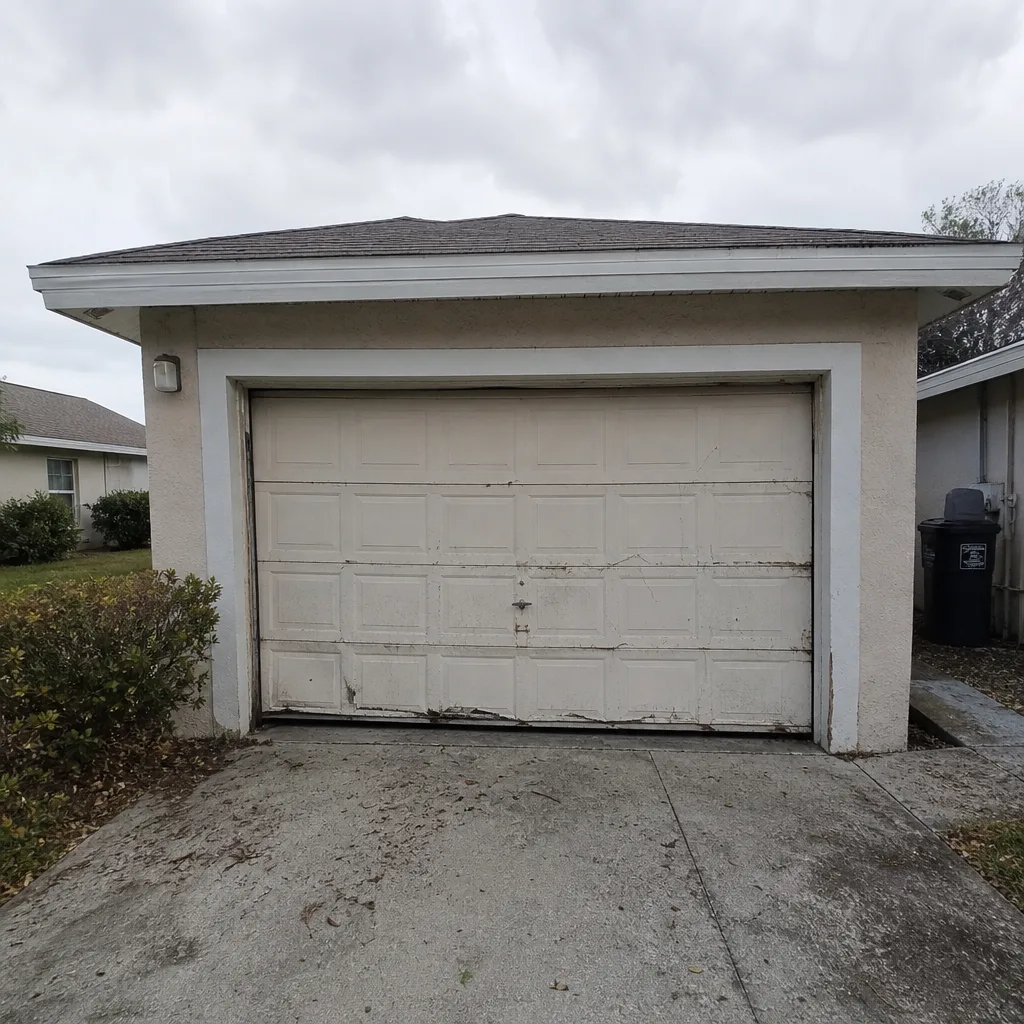 Before
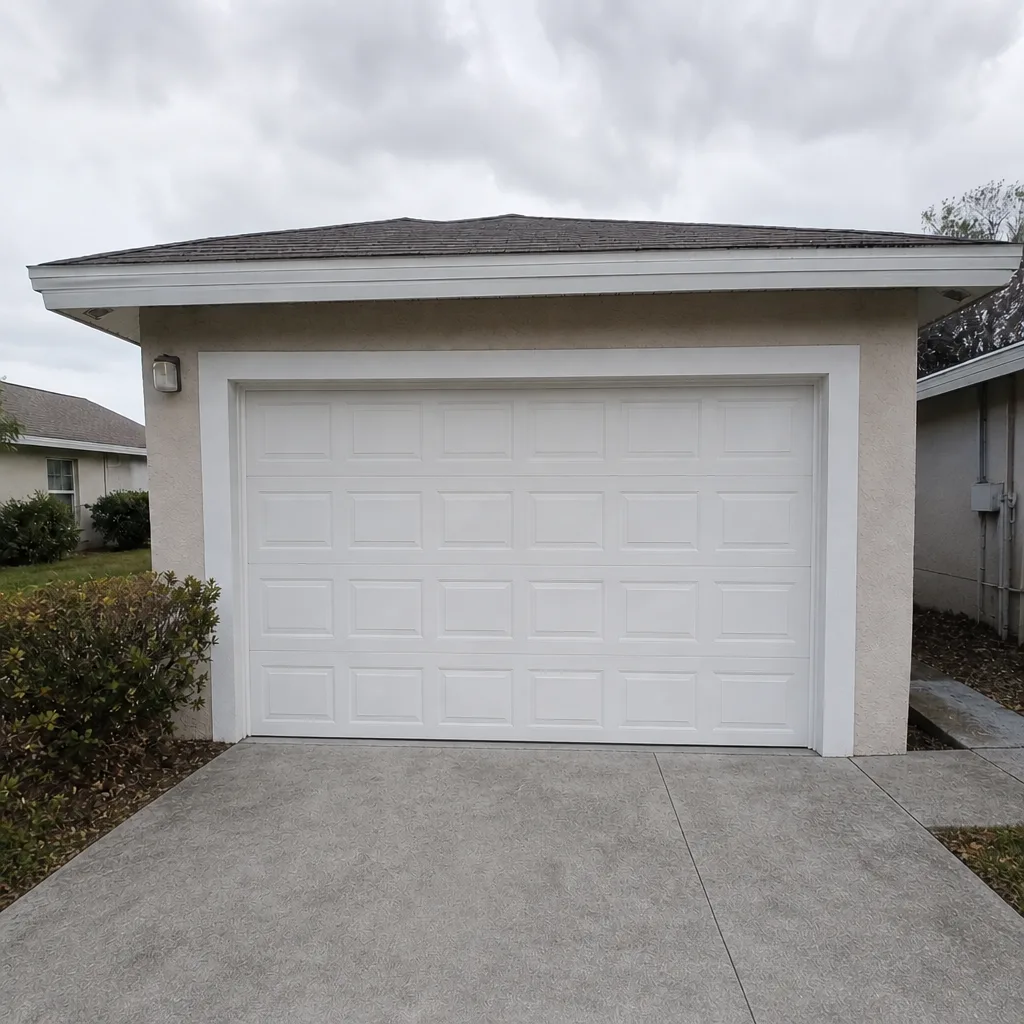 After
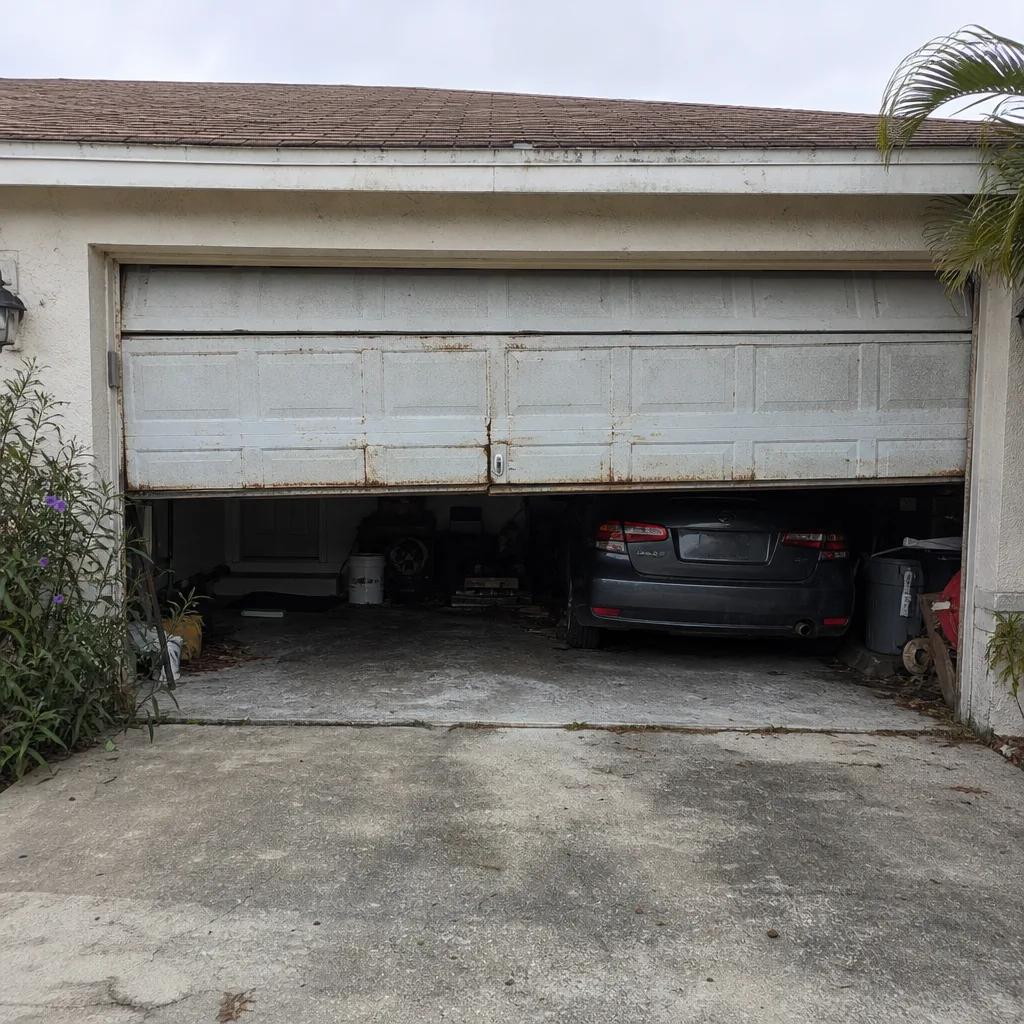 Before
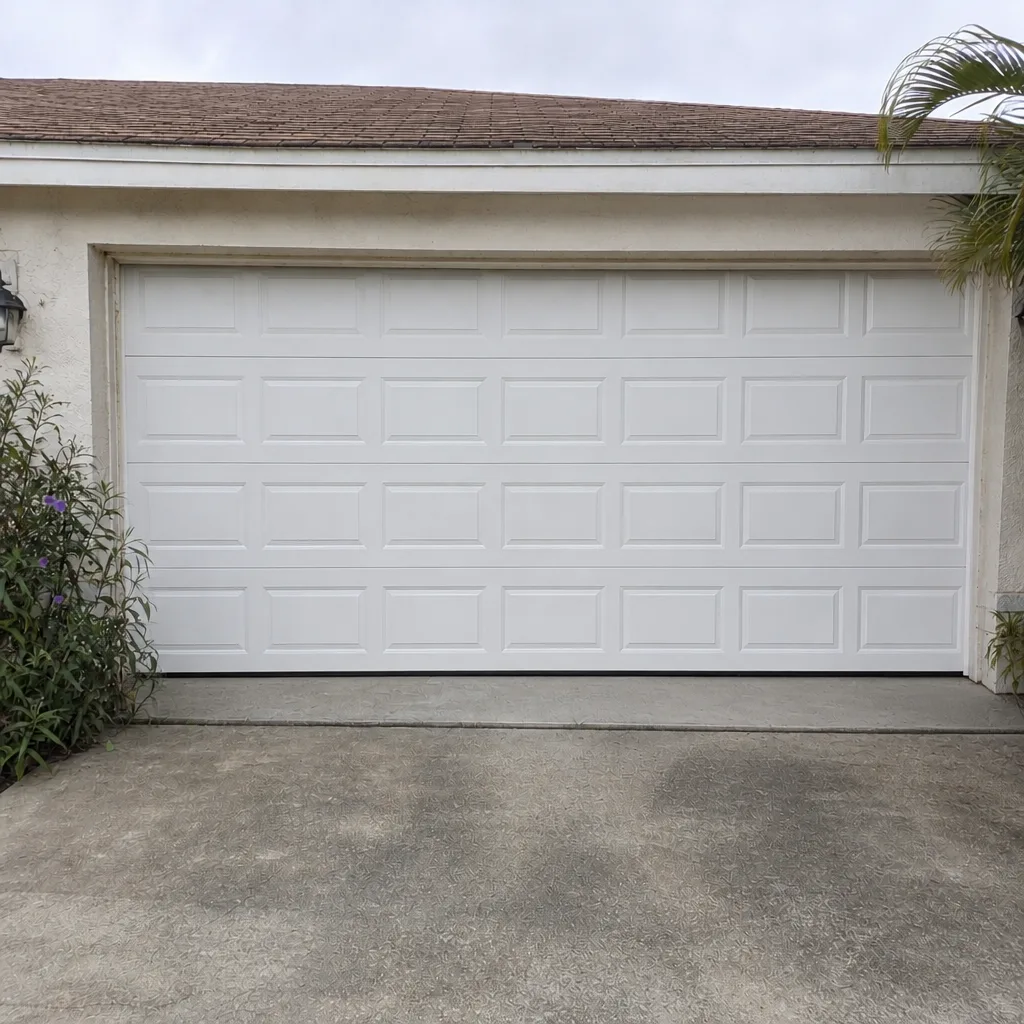 After
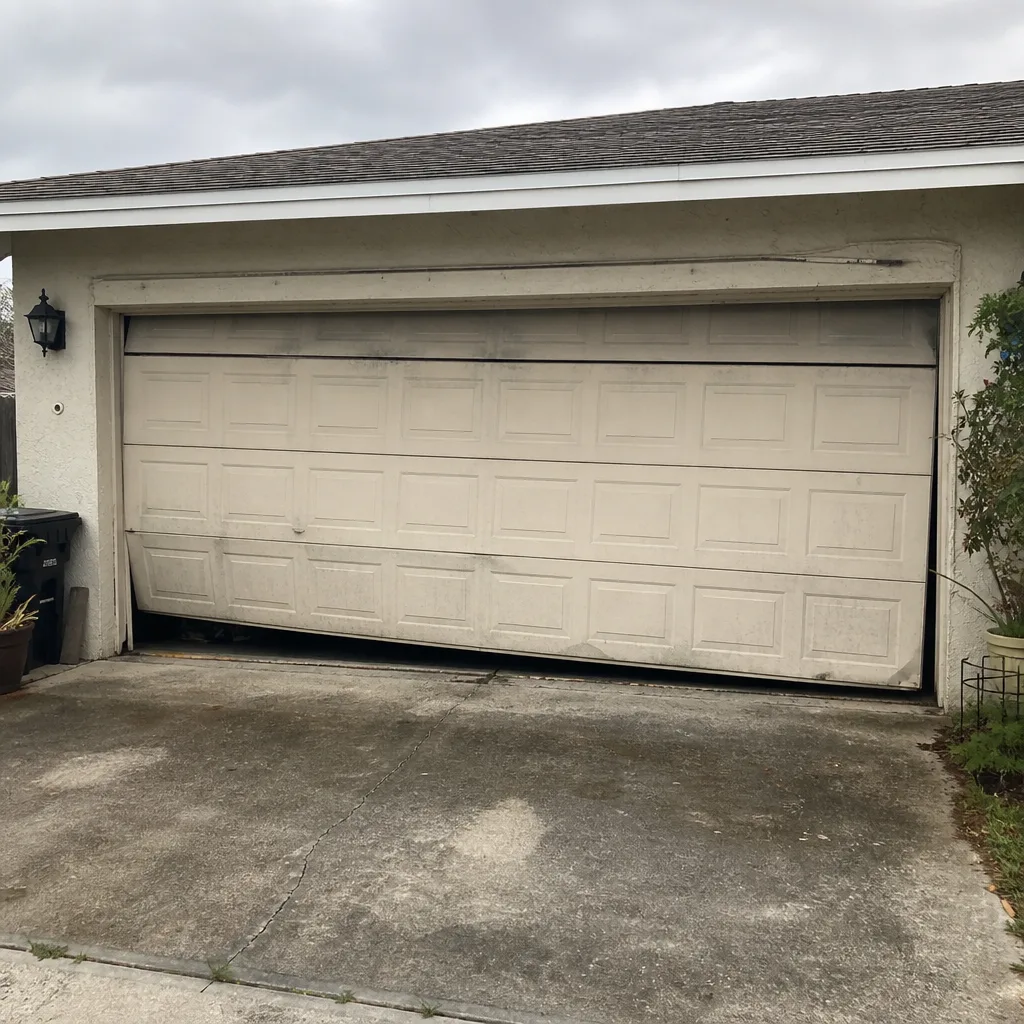 Before
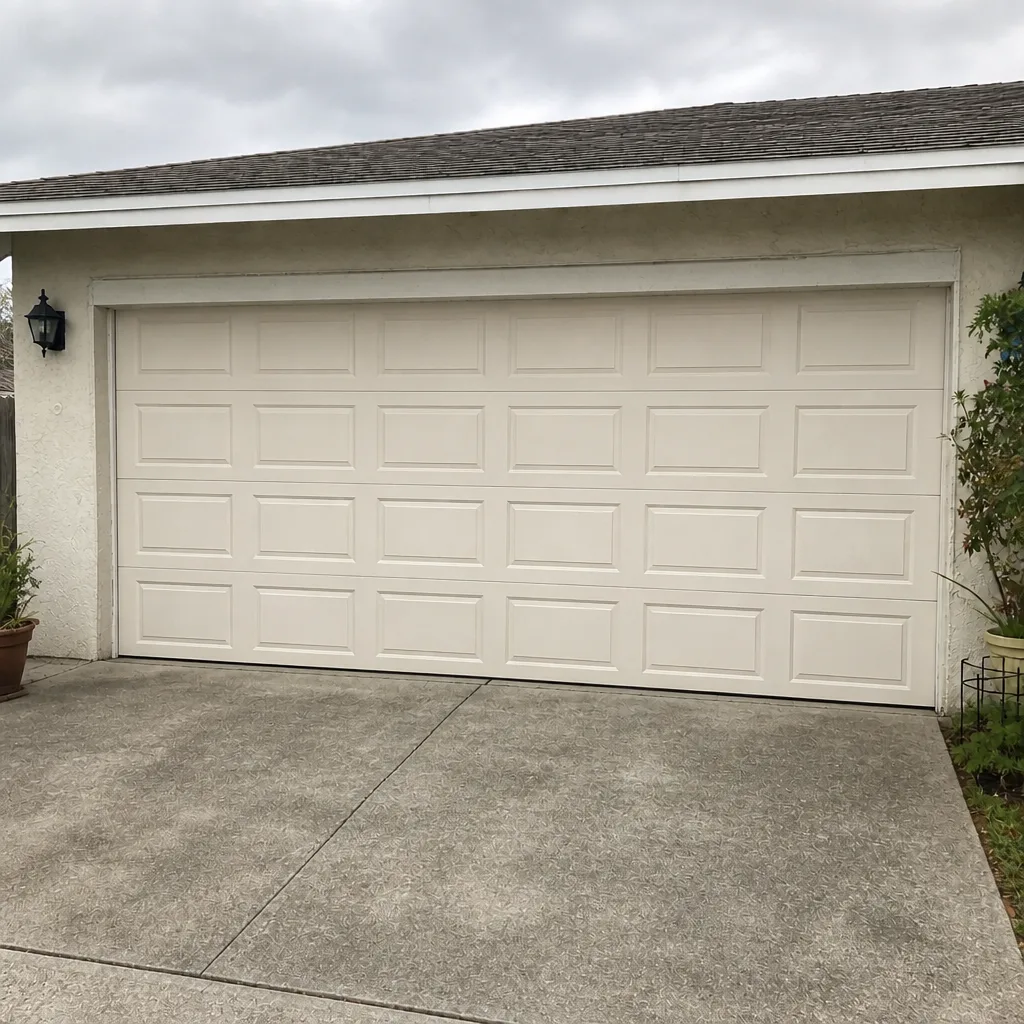 After
Frequently Asked Questions
A standard single-car steel door installed typically runs about $1,200 to $2,800, and a double-car about $2,000 to $4,500, with wind-rated doors landing toward the top of each range. Installation, permit fees, and opener costs are usually separate line items. Call (833) 847-0310 for an exact quote – estimates are free.
Doors installed here generally need a product approval that matches the wind zone for your address, and inspectors and insurers may ask for the paperwork. Not every door in a catalog qualifies for every location. Ask your contractor for the approval number before you sign, and confirm with the city’s building department. For a closer look at repair-side questions, see garage door repair.
No – the written estimate sets the price, and we quote and agree before any work starts. The inspection may reveal that a different repair or a different door makes more sense, but that’s a conversation and a revised written estimate before anything changes. You’ll never get a surprise invoice.
Repairs are usually same-day when the schedule allows. Call (833) 847-0310. We answer 24/7. Fast dispatch from 7am to 7pm, Sunday through Friday. A call outside dispatch hours is booked into the next opening. Installations are measured, ordered, and scheduled rather than dispatched same-day.
A well-maintained door is generally good for 15 to 25 years, though Port St. Lucie’s humidity means untreated steel can corrode faster if it’s not serviced. Mild winters help; the humidity is the main deciding factor. Regular lubrication and prompt attention to rust at the seams will get you closer to the upper end.
We work on LiftMaster, Chamberlain, Genie, Clopay, Amarr, Wayne Dalton, Craftsman, and Raynor. That covers the large majority of doors and openers already installed in Port St. Lucie. For the area’s broader garage door landscape, our Port St. Lucie page fills in the local picture.
The Bottom Line
Garage door cost in Port St. Lucie in 2026 comes down to four decisions: which door, which wind rating, which opener, and which contractor. The cheapest quote often omits the product approval or the permit, and you’ll pay for that gap the second time. Steel single doors run roughly $1,200 to $2,800 installed; doubles $2,000 to $4,500; wind-rated versions add 10% to 30%. Repairs usually fall between $150 and $650. Watch for corrosion, choose a brand with locally available parts, and time your project before the post-storm surge rather than after it. Get it in writing, and the numbers stop being a mystery.
Contact
If you’re ready to price out a repair, an opener, or a full replacement in Port St. Lucie, we’ll walk your opening, talk through the options, and put the number in writing free of charge. Tundra Garage Door Repair works across LiftMaster, Chamberlain, Genie, Clopay, Amarr, Wayne Dalton, Craftsman, and Raynor, so we’re working on the brand you already own. Call (833) 847-0310 for a free estimate. We answer 24/7. Fast dispatch from 7am to 7pm, Sunday through Friday.
Written by the team at Tundra Garage Door Repair.