
Last updated November 15, 2026
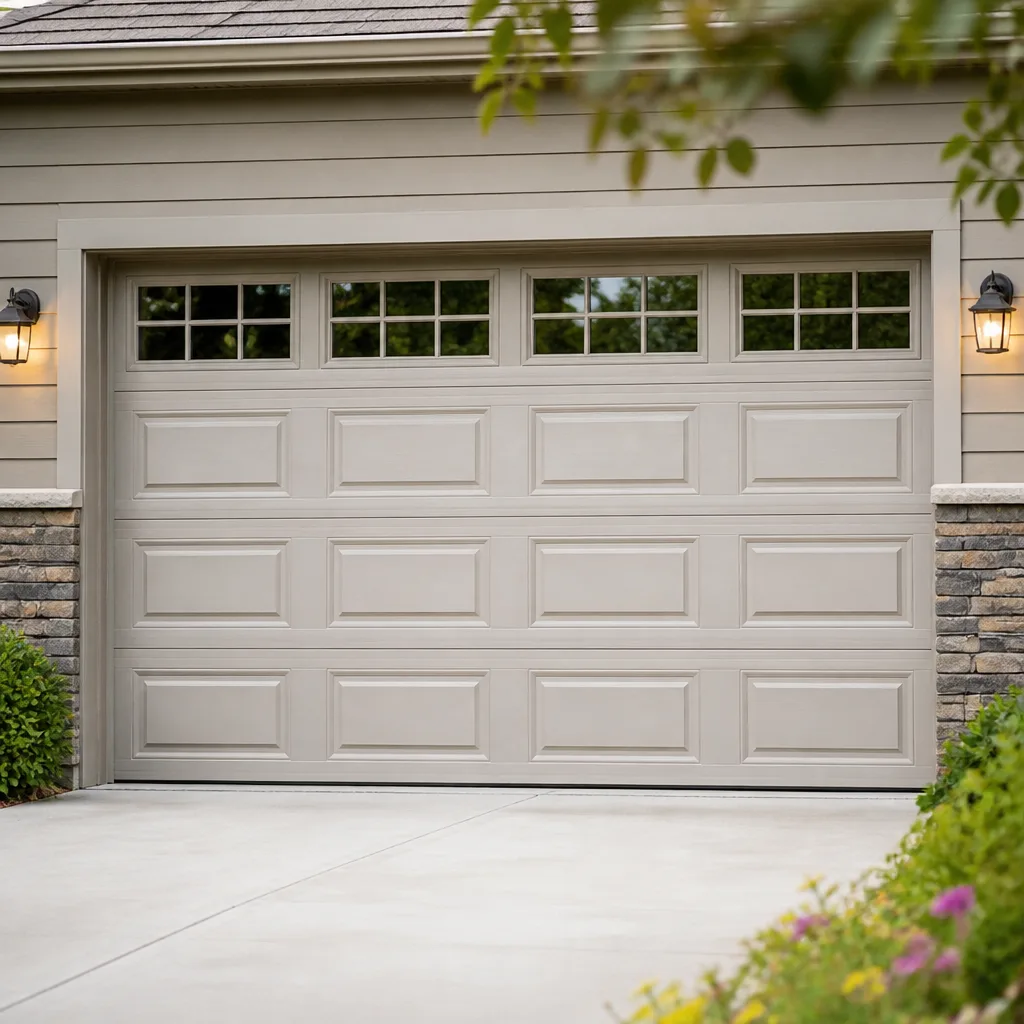 Raised-panel steel
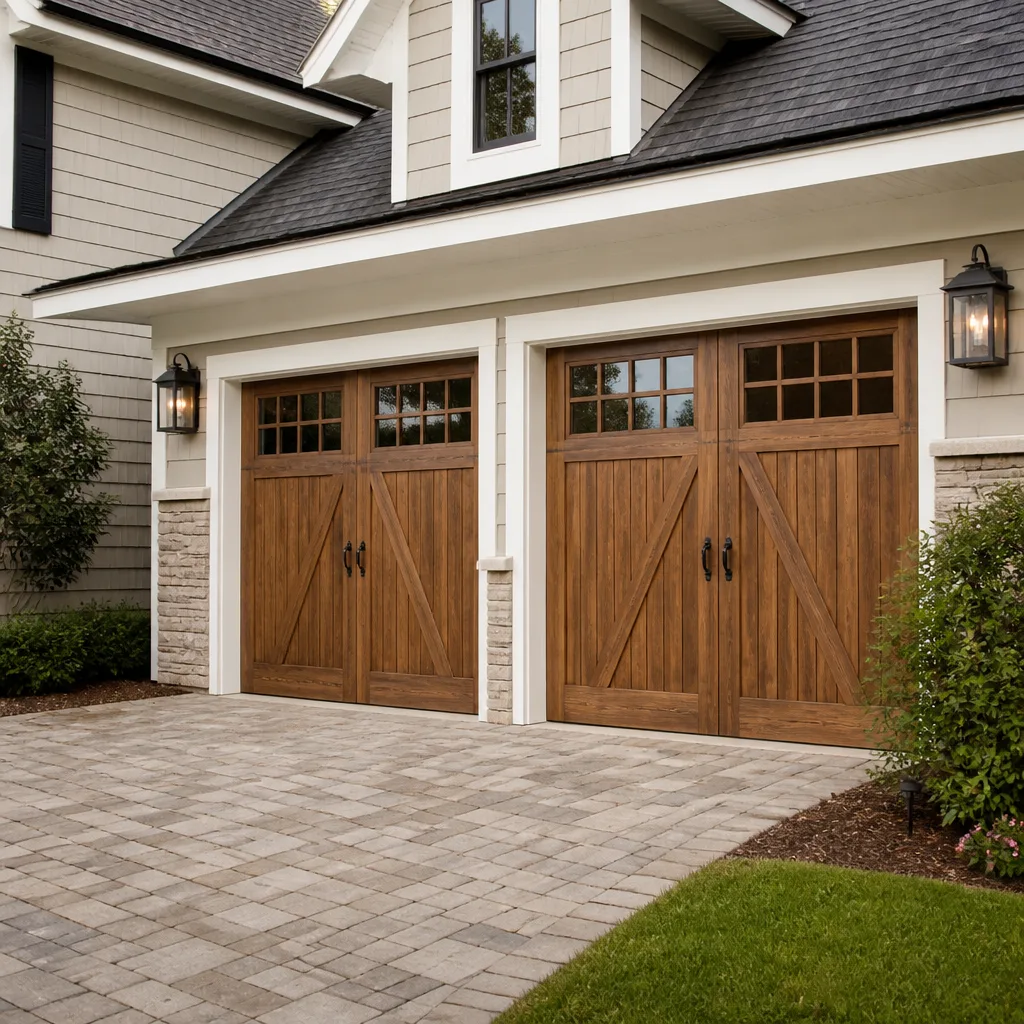 Carriage house
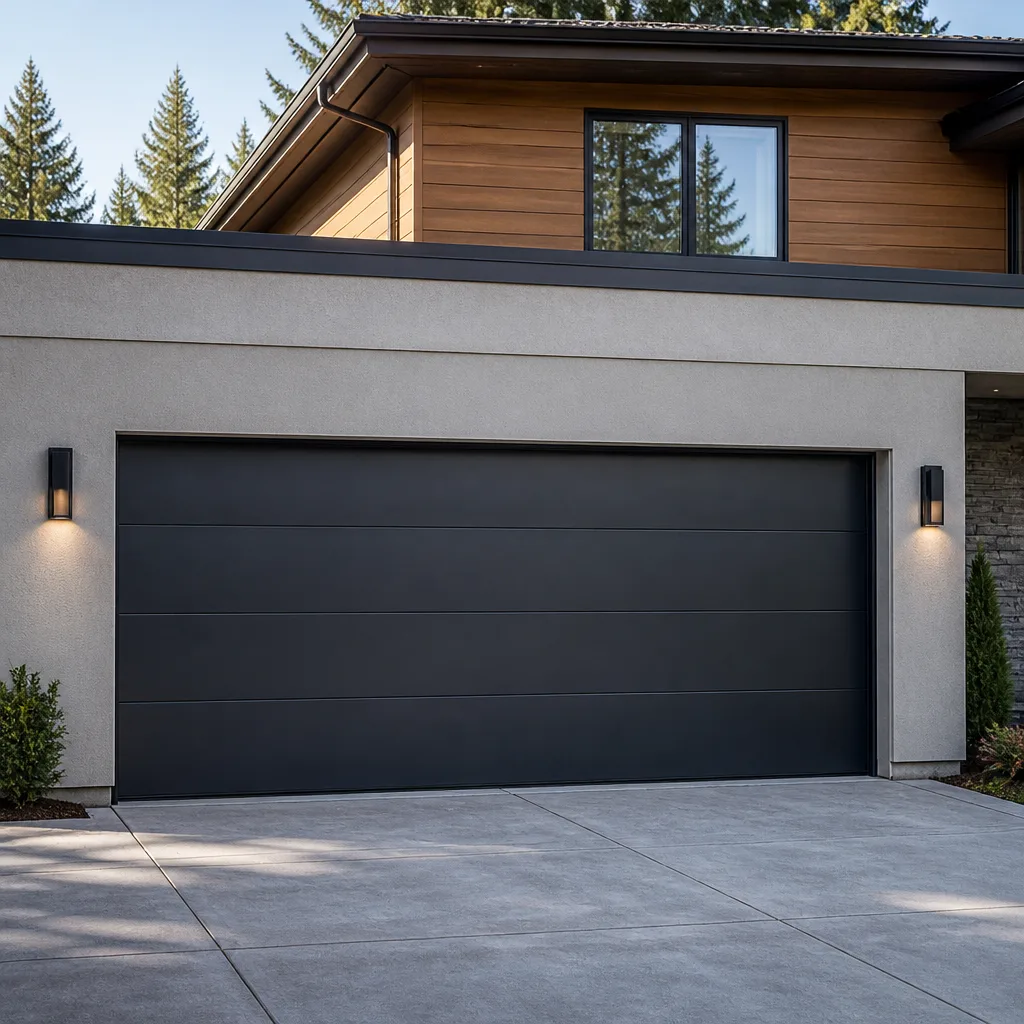 Modern flush
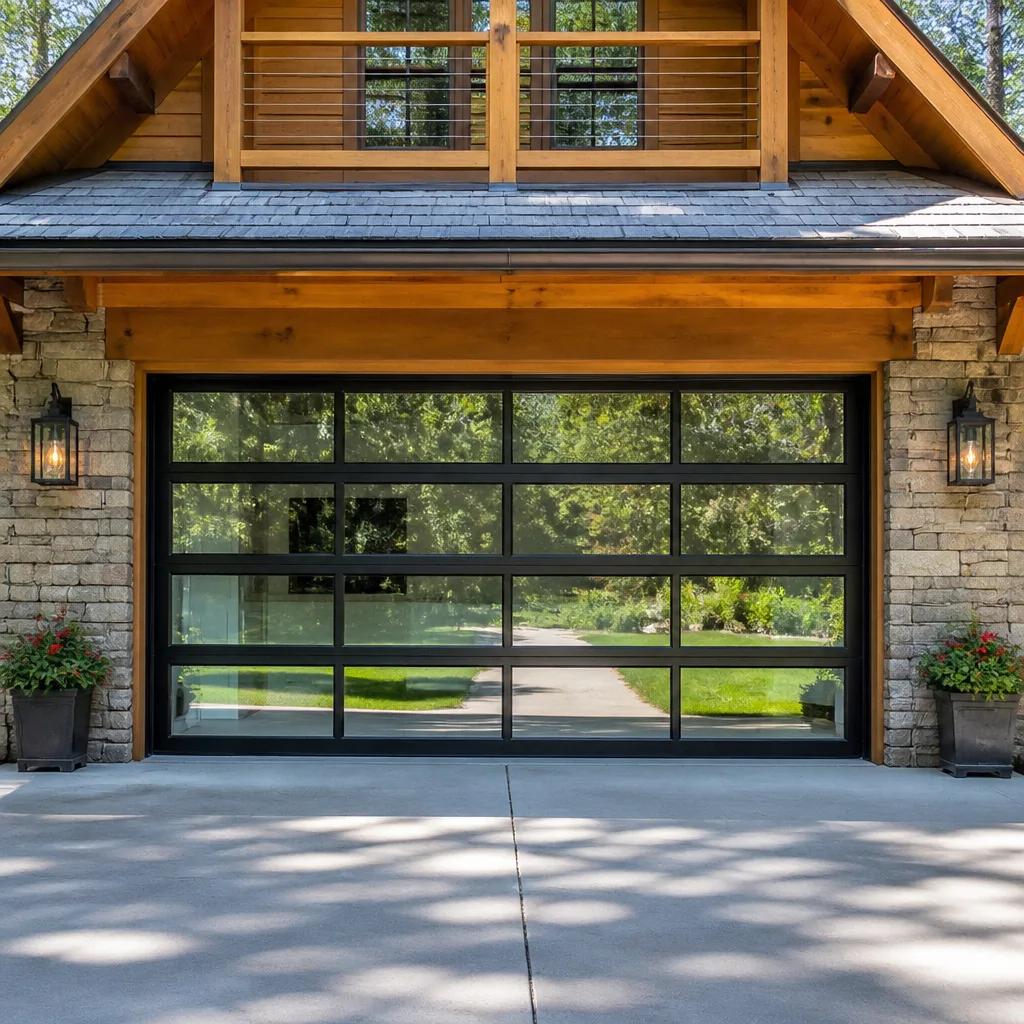 Full-view glass
 LiftMaster openers
 Chamberlain openers
Full 25-point door and opener safety check with every visit - springs, cables, rollers, tracks, and your LiftMaster or Chamberlain opener included
You get a price before we start. It does not change when the pro arrives.
Get your free estimateGarage Door Emergency Preparedness Guide for Port St. Lucie Homes
Most homeowners treat their garage door as a convenience, not a structure. When a storm is bearing down on Port St. Lucie, that thinking flips. The garage door is the largest opening in the house, and in a named hurricane it’s often the first thing to give. A failed door lets wind pressure inside, and once the pressure builds, the roof is next. That’s the part most guides skip. This guide covers what to do when the power goes out, the opener dies, and a storm is hours away. You’ll learn how to secure the door, how to test it, what to do after the storm passes, and when to stop handling it yourself.
Quick Answer
Before a hurricane in Port St. Lucie, manually lock the garage door from the inside, test that the door closes flush and stays balanced, and confirm any battery backup opener will actually run the door for the full outage. After the storm, do not operate a door that looks intact until you’ve checked spring tension and frame alignment, because hidden damage makes a door dangerous. When the door won’t balance, won’t lock, or the opener is dead, call a professional before the next system arrives.
Styles & brands we work with
- Raised-panel steel
- Carriage house
- Modern flush
- Full-view glass
- LiftMaster openers
- Chamberlain openers
Table of Contents
- What Happens When the Power Fails and the Opener Is Disengaged
- How to Manually Lock Your Garage Door From the Inside
- Wind-Rated Doors vs. Properly Secured Wind-Rated Doors
- 24-Hour Pre-Storm Checklist for Port St. Lucie
- Post-Storm Safety: What to Check Before You Open the Door
- Choosing a Battery Backup Opener for Multi-Day Outages
- Common Mistakes to Avoid
- When to Call a Professional
What Happens When the Power Fails and the Opener Is Disengaged
When the power goes out, your opener stops pulling and the door becomes a dead weight parked on its tracks. Disengaging it is the right move if you need to lift it by hand, but most homeowners have never done it under pressure. Here’s what’s actually happening.
A modern opener, whether it’s a LiftMaster or a Craftsman, has a release mechanism that disconnects the carriage from the chain or belt. On a ceiling-mounted unit that’s usually a pull cord, sometimes a lever. Pull it and the door is free of the drive system. That sounds convenient. It also means nothing is holding the door up except its springs and the tracks. If the springs are tired, the door can drop.
Disengaging without disconnecting the lock is where doors get damaged. A manual slide lock, a deadbolt, or a locking latch that’s still engaged will fight the door and can bend panels or snap a cable. In Port St. Lucie, where many homes have older doors and manual locks that haven’t been touched in years, this is a common pre-storm problem. Never yank on a door that won’t move cleanly. Find the lock first, release it, then lift with a slow, steady pull.
If the door won’t disengage, or the carriage hangs loose, don’t force it. A jammed carriage can drop the door the moment the spring reaches its limit. That’s a call to a professional, not a pry-bar job.
How to Manually Lock Your Garage Door From the Inside
This is the step most homeowners have never practiced, and it’s the one that matters when the power is out and a storm is coming. A garage door that isn’t locked on the inside can be pushed or lifted from outside, and wind pressure can walk it up the tracks. The fix is simple, but it has to be done correctly.
- Close the door completely so it sits flush against the floor and the weather seal is in contact all the way across.
- Disengage the opener if it’s still connected. Pull the release cord and confirm the carriage is free of the drive.
- Find the slide lock or deadbolt mounted on the door’s vertical stile. Many doors have one on each side, or a center latch that takes a bolt.
- Slide the bolt fully into the track or receiver and confirm it seats. A bolt half-in doesn’t hold.
- Add a vertical lock if you have one. These lock the door to the floor and stop it from lifting.
- Test the lock by hand. Grip the door handle and pull up gently. It shouldn’t budge.
Practice this before the storm, not during it. In Port St. Lucie, we get plenty of warning on named storms, so use the quiet days to walk through the lock with the whole household. If your door has no interior lock and the tracks are worn, the door can’t be secured reliably. That’s a hardware problem, not a weather problem, and it’s worth fixing before the next season.
Wind-Rated Doors vs. Properly Secured Wind-Rated Doors
A wind-rated door is only as good as the hardware holding it. The panel rating is the starting point, not the finish line. What matters is whether the whole assembly, door plus tracks plus hinges plus locks, has been installed and secured to hold against the pressure the rating claims.
Here’s the difference in plain terms:
- A wind-rated door has panels and a frame engineered to withstand a given pressure. It’s the product.
- A properly secured wind-rated door has reinforcement brackets, heavy-duty hinges, and tracks anchored into framing that can carry the load. It’s the installation.
- A wind-rated door with weak hardware is a rated panel waiting to fail, because the first thing that gives is usually the track pulling away from the wall or the hinge bending.
We’ve seen plenty of doors in Port St. Lucie where the panel is rated but the tracks were pinned into thin metal or aging wood, and the first real gust peeled the door out of the opening. The panel didn’t fail. The mounting did. When you’re evaluating your door, look at the brackets, the gauge of the tracks, and how firmly the door tracks attach to the frame. If anything wobbles when you push on it, it isn’t ready for a named storm.
When it’s time to replace, brand matters less than installation quality. A Wayne Dalton or Raynor door installed correctly will outperform a heavier door bolted into a frame that can’t take it.
24-Hour Pre-Storm Checklist for Port St. Lucie
The last 24 hours before landfall is not the time for major repair. It’s the time for verification, securing, and last-minute prep. Work through this list in order.
- Clear the door’s path. Remove anything in front of the tracks or behind the door, including the recycling bin, lawn chairs, and the pile of boxes that’s been living in the corner.
- Test the balance. Disengage the opener and lift the door halfway by hand. It should stay put. If it drops or rises on its own, the springs need attention before the storm.
- Test the close. With the opener reconnected, run the door down and check that the bottom seal meets the floor evenly across the full width. Daylight underneath means it isn’t sealing.
- Lock it from the inside. Slide-lock or deadbolt both sides if you have them, then engage the vertical lock, if fitted.
- Disconnect the opener. Pull the release and leave it disengaged so power surges or a generator restart can’t drive the door.
- Check the battery backup if your opener has one. Confirm the battery is charged and the door cycles fully on battery power alone.
- Photograph the door before the storm. It documents condition and helps with any storm claim afterward.
That last step matters more than people think. A door that fails during a storm often fails because of a pre-existing issue. Photos give you a clean baseline. In Port St. Lucie, where storm season runs long, keeping a small file of door photos on your phone is cheap insurance against headaches.
Post-Storm Safety: What to Check Before You Open the Door
A door that looks intact after the storm may not be. The spring tension, the frame alignment, and the track mounting are all invisible from outside, and any one of them can turn a functioning door into a hazard. Before you touch the button, walk the door.
- Look at the tracks. Straight, plumb, and evenly spaced. Bowed tracks will pull the door off its rollers.
- Look at the panels. Dents and dings matter less than creases. A crease in a panel usually means the panel has taken a structural hit.
- Look at the hinges. Bent, popped, or missing screws mean the door lost load somewhere.
- Check the spring area. If you see a gap in the coil, a separated end, or a spring that looks different from its neighbor, stop. Never poke at a spring.
- Listen before you run it. A grinding, scraping, or popping sound is the door telling you something is out of alignment.
Springs are the part of the door to treat with the most caution. A torsion spring under load carries serious stored energy. If it’s compromised, the door can slam, the cable can snap, and anyone standing underneath is in danger. That’s a job for a trained technician with the right tools, not a homeowner with a ladder. If the door feels heavy, jerky, or won’t stay balanced, don’t run it. Call instead. Our garage door repair team handles post-storm inspections with the springs secured first.
Choosing a Battery Backup Opener for Multi-Day Outages
Most battery backup openers on the market are designed to get you through a handful of cycles, not three days without power. If you’ve ever had a 12-hour backup die on day two of an outage, you already know the gap. In Port St. Lucie, outages after a named storm routinely run longer than the battery specs promise, so the right question isn’t “does it have a backup?” It’s “will it still lift the door on day three?”
What to look for:
- Cycle count over rated duration. Ask how many full open-close cycles the battery supports, and what the realistic standby time is with the battery warm and healthy.
- Deep-cycle battery chemistry. Lead-acid batteries lose capacity as they discharge on the shelf. Sealed, deep-cycle designs handle a long idle better.
- Manual release still works. Any opener you buy should let you disengage the carriage cleanly at any point. A backup that locks you out of manual operation is worse than no backup.
- Smart connection. A Wi-Fi or MyQ-enabled opener, common on LiftMaster and Chamberlain units, lets you monitor the door’s status from your phone when the power is out, if the network survives.
- Brand support. A backup opener from a brand with broad service coverage is easier to repair than an off-brand unit. Our garage door opener repair team works on the major platforms, which means parts and know-how are available when something fails.
Whatever you choose, test it. Run the door on battery power alone, then let it sit a day or two and run it again. A backup you’ve never cycled is a battery in a box.
Common Mistakes to Avoid
- Leaving the opener engaged during the storm. A power surge or a generator restart can drive a door that should be locked. Disengage it.
- Forcing a jammed door. A door that won’t move usually has a lock, a cable, or a spring issue. Forcing it can bend panels or snap a cable.
- Assuming the panel rating is enough. In Port St. Lucie, installation quality decides whether a rated door holds. Check the brackets and tracks.
- Operating a door after the storm without checking the springs. A visually intact door with compromised springs is the most dangerous kind. Look, listen, and stop if anything seems off.
- Buying a backup opener based on the box number. A 12-hour backup is not a multi-day one. Ask about cycle count and chemistry before you buy.
- Waiting for the storm warning to test the door. Practice the manual lock and the disengage in calm weather. It’s a two-minute drill that goes sideways under pressure.
- Ignoring a door that doesn’t seal at the floor. In Port St. Lucie, an unsealed door lets in water and wind-driven rain. If you can see daylight under the seal, the door needs attention before the next system.
See the difference
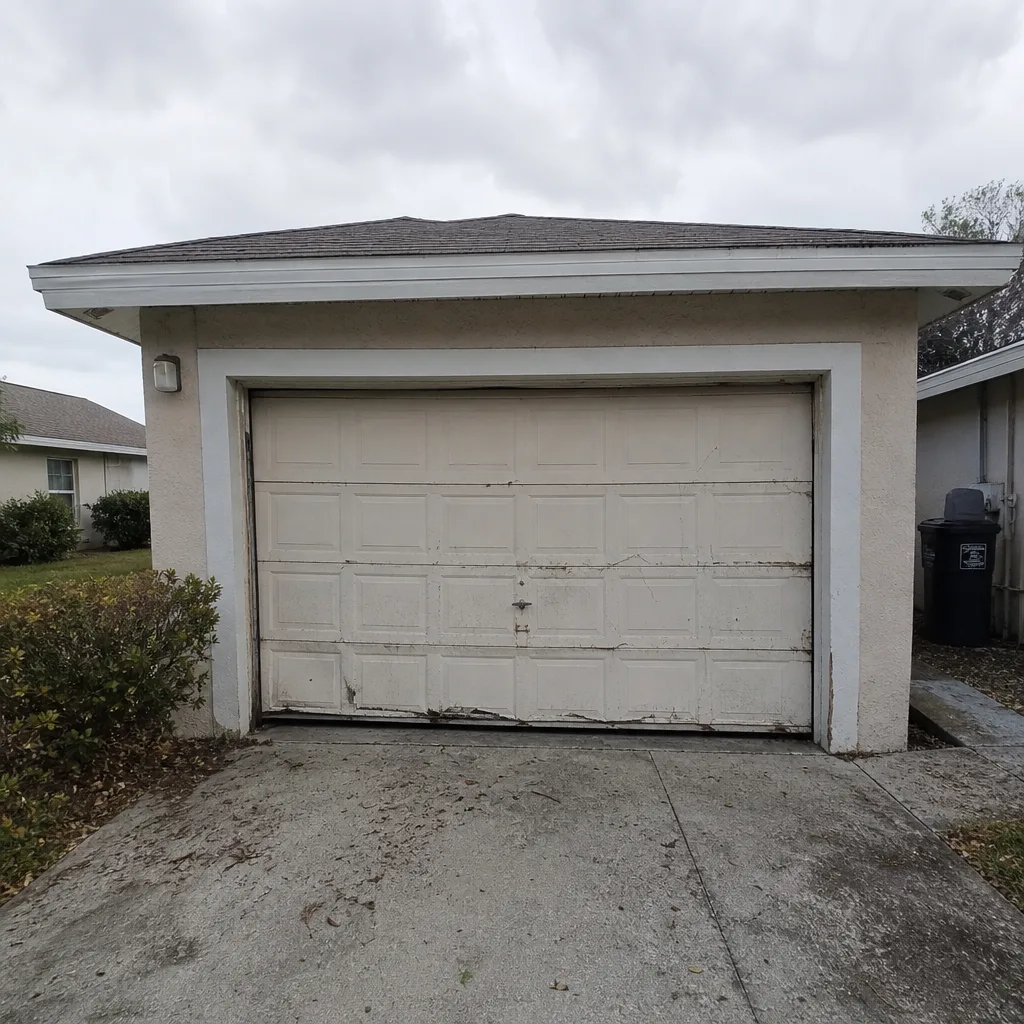 Before
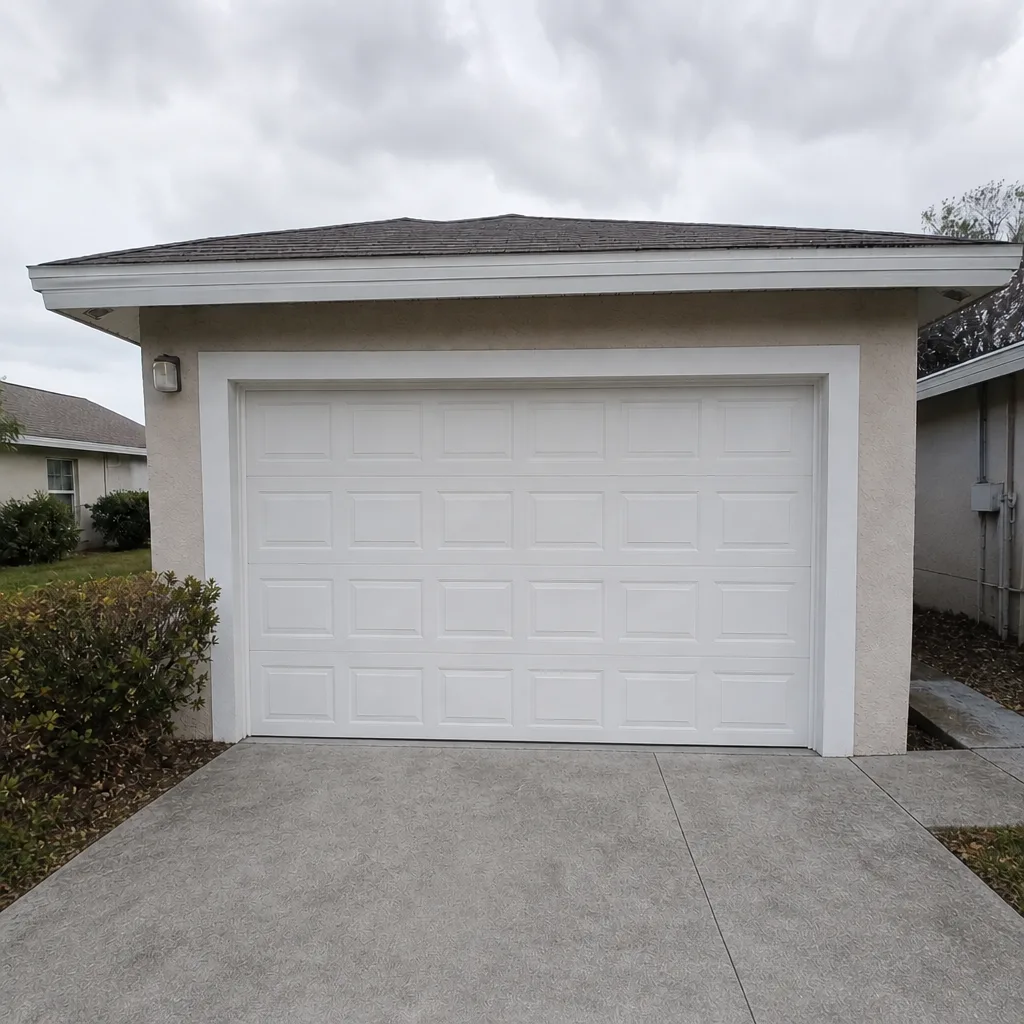 After
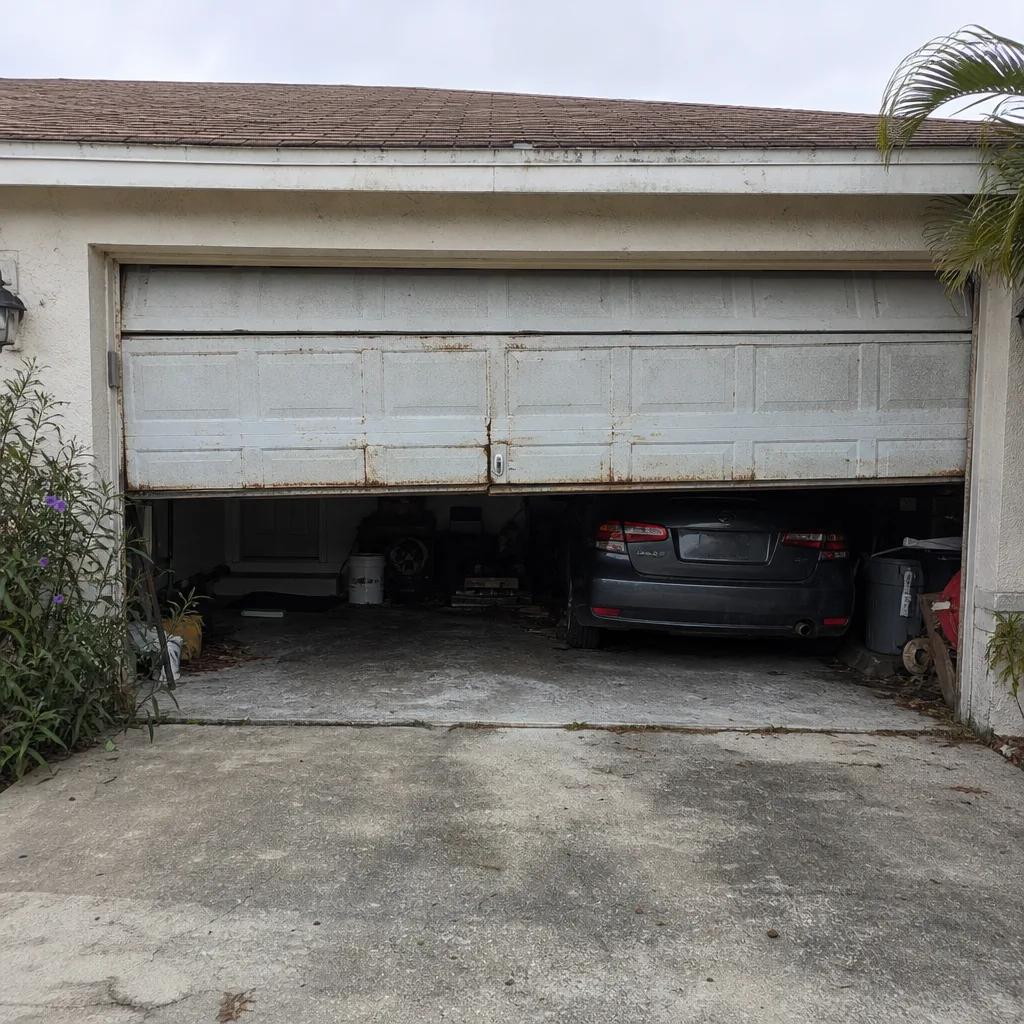 Before
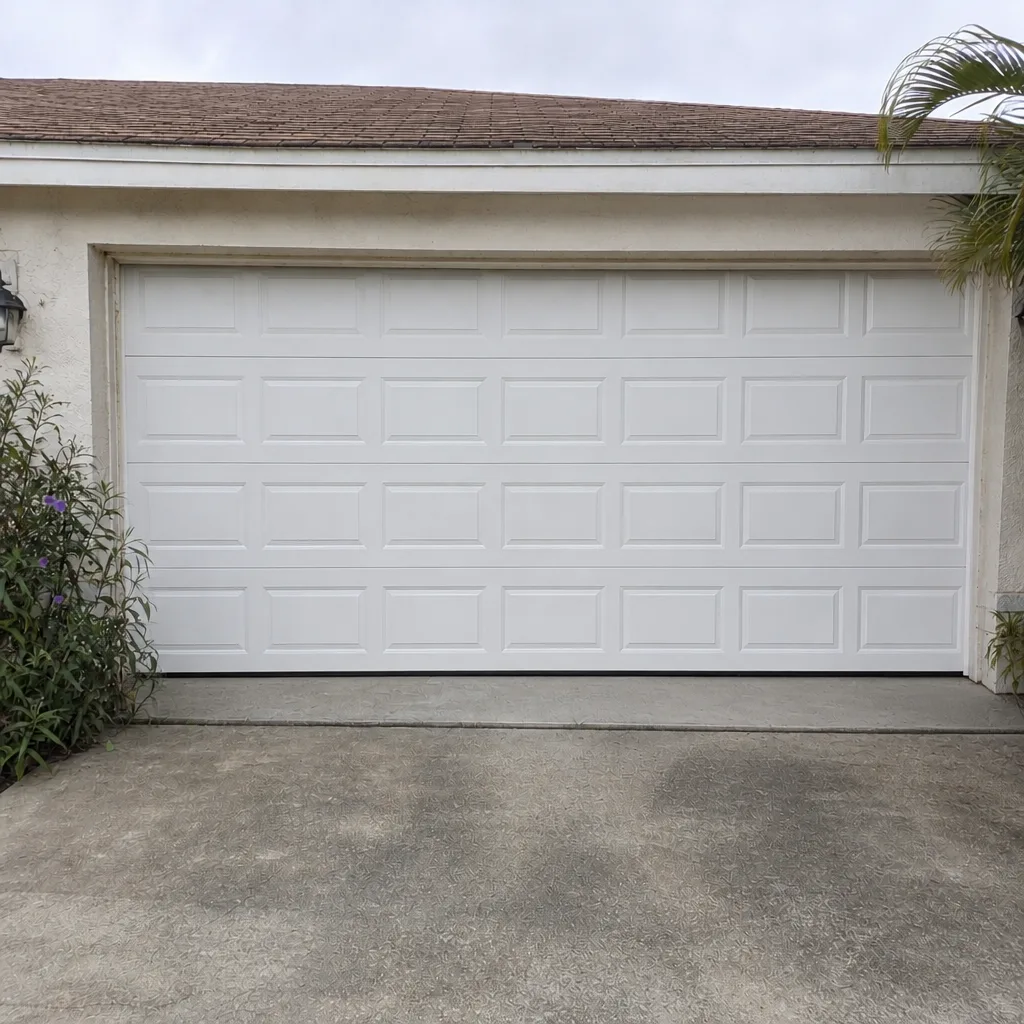 After
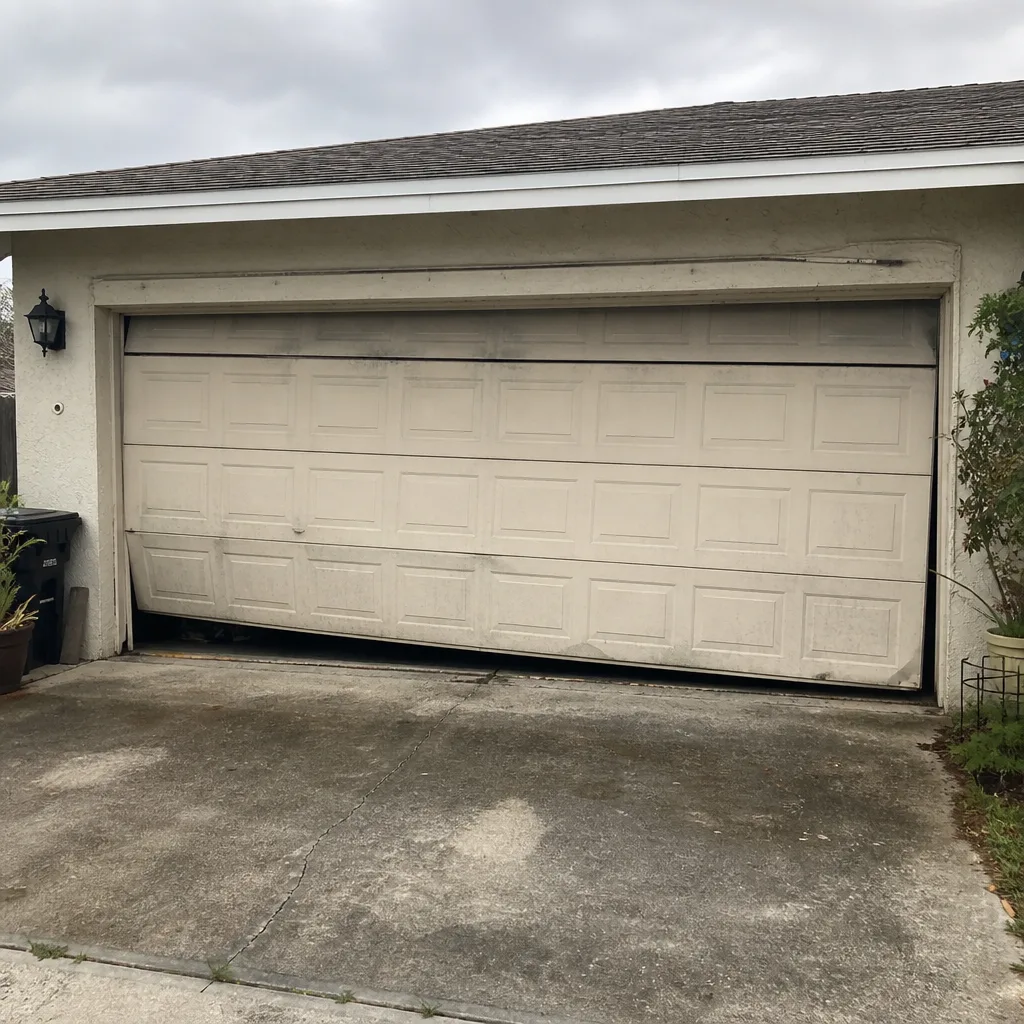 Before
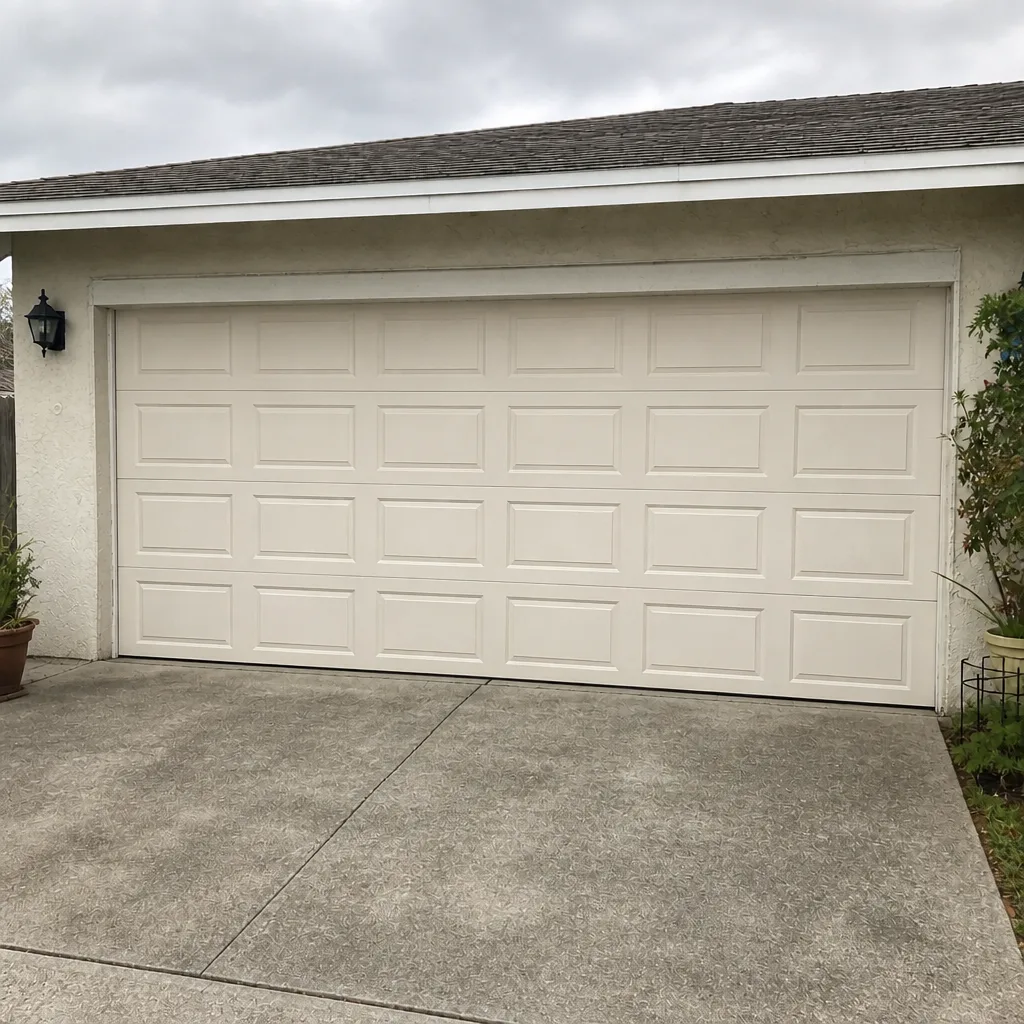 After
When to Call a Professional
Some garage door issues are a quick check and some are dangerous. Call us when the door won’t balance on its own, won’t lock from the inside, or has a spring that looks wrong. Call us when the opener won’t disengage, the carriage hangs loose, or the door runs unevenly after a storm. Call us before a named storm if the door doesn’t close flush, rattles in the tracks, or has hardware that’s pulling away from the frame. Springs and cables are not DIY territory. The stored energy in a torsion spring can injure a trained person and seriously harm an untrained one. Tundra Garage Door Repair works across the major brands, including LiftMaster, Wayne Dalton, and Raynor, and our technicians have up to 12 years of experience. We offer free estimates in Port St. Lucie. Call (833) 847-0310. We answer 24/7. Fast dispatch from 7am to 7pm, Sunday through Friday.
Frequently Asked Questions
Close the door fully, disengage the opener by pulling the release cord, then slide the interior deadbolt or slide lock fully into place on both sides and engage any vertical floor lock. Pull up on the door handle to confirm it won’t move. If your door has no interior lock, it can’t be secured reliably and the hardware needs attention before the next storm.
You can, but only if the door is balanced and the manual lock is released first. Disengage the opener, release every lock, then lift slowly and evenly. Never force a door that feels heavy or binds. If it won’t lift cleanly, don’t operate it. Call (833) 847-0310 and we’ll get a technician out to assess it.
A wind-rated door is the product, and a properly installed one is the assembly. The panel rating means the panels can take a given pressure, but the brackets, heavy-duty hinges, and track anchors are what hold the door in the opening. In Port St. Lucie, we frequently see rated doors bolted into frames that couldn’t carry the load. The installation is what makes the rating real.
It depends on the battery chemistry and the cycle count, not the box label. Most units are designed for a handful of cycles, not multi-day survival. Look for a deep-cycle battery, ask how many full cycles it supports, and test it on battery power alone before the season starts. If yours seems weak, call us at (833) 847-0310 for an assessment.
Only after you’ve checked the tracks, panels, hinges, and spring area. If anything looks bent, popped, or compromised, don’t run the door. A spring that looks visually intact after a storm may have weakened, and operating it can cause a dangerous release. When in doubt, call and have it inspected before you cycle it.
If the storm is days out, this is the right window for a pre-storm check. We can assess spring tension, balance, seal, hardware, and opener operation, and give you a written estimate before any work starts. For urgent issues in Port St. Lucie, call (833) 847-0310. We answer 24/7, with fast dispatch from 7am to 7pm, Sunday through Friday.
The Bottom Line
The garage door is the structural weak point most homeowners forget until it fails. In Port St. Lucie, that failure tends to happen during a named storm, when the power is out, the opener is dead, and there’s no time to fix hardware. The work that matters happens before the storm: practice the manual lock, test the balance, check the seal, confirm the battery backup, and inspect the brackets and tracks. After the storm, don’t touch a door that looks intact until you’ve checked the springs and alignment. If anything feels wrong, call a professional. Tundra Garage Door Repair offers free estimates in Port St. Lucie – call (833) 847-0310 for yours. We answer 24/7, with fast dispatch from 7am to 7pm, Sunday through Friday.
Written by the team at Tundra Garage Door Repair.