
Last updated November 15, 2026
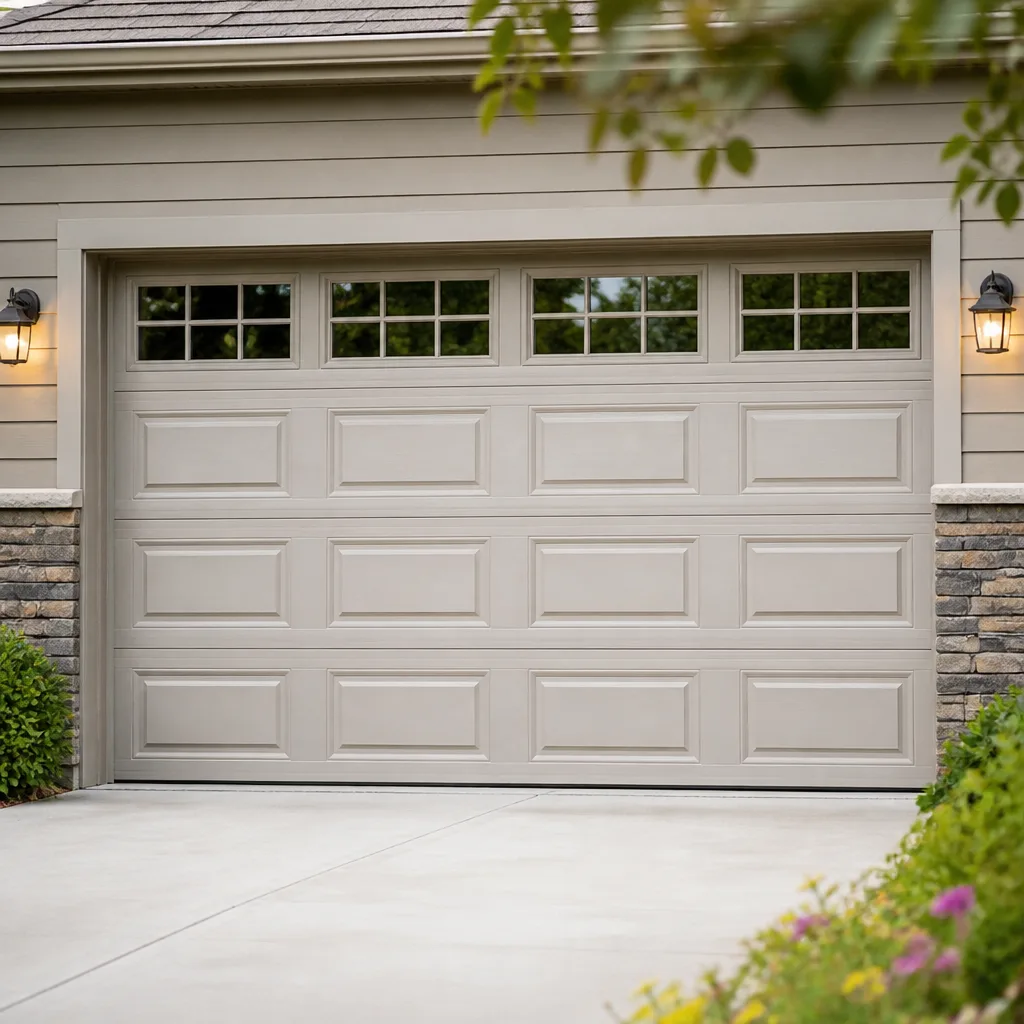 Raised-panel steel
 Carriage house
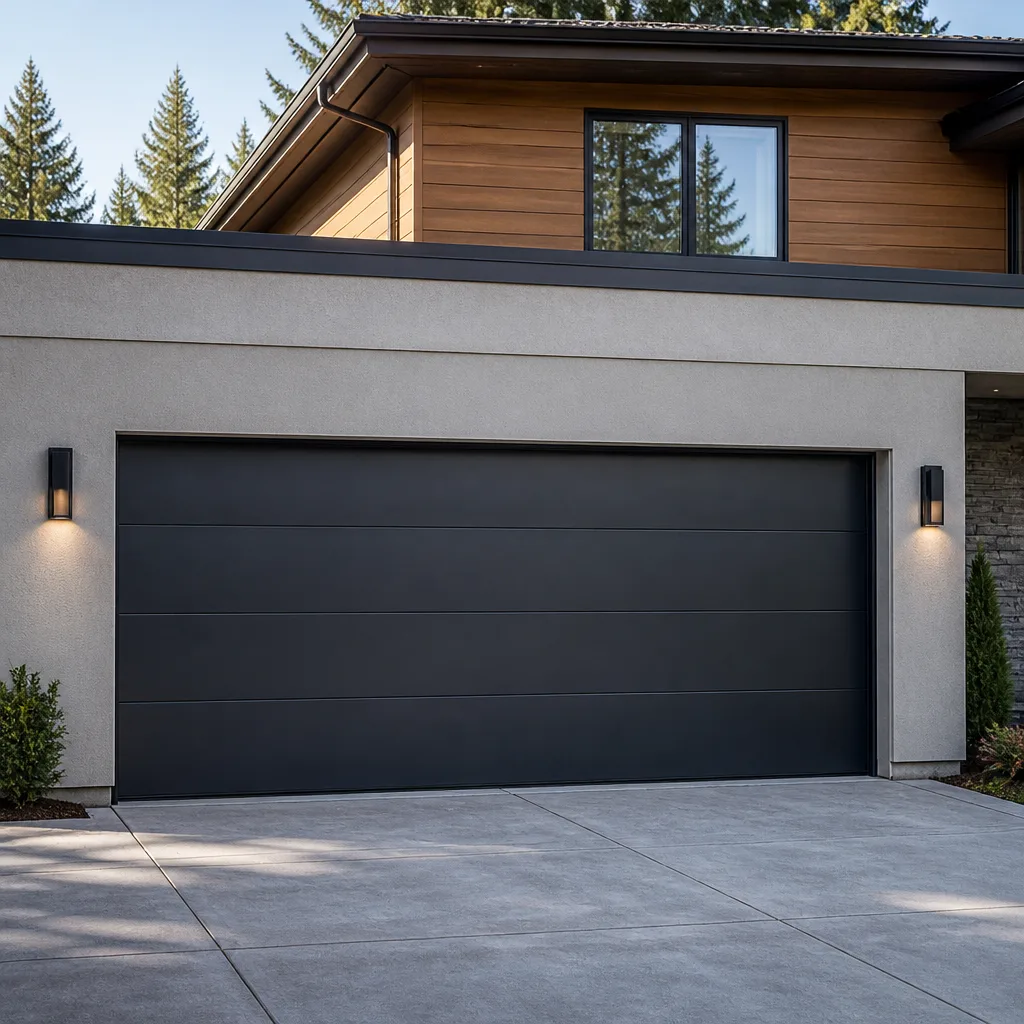 Modern flush
 Full-view glass
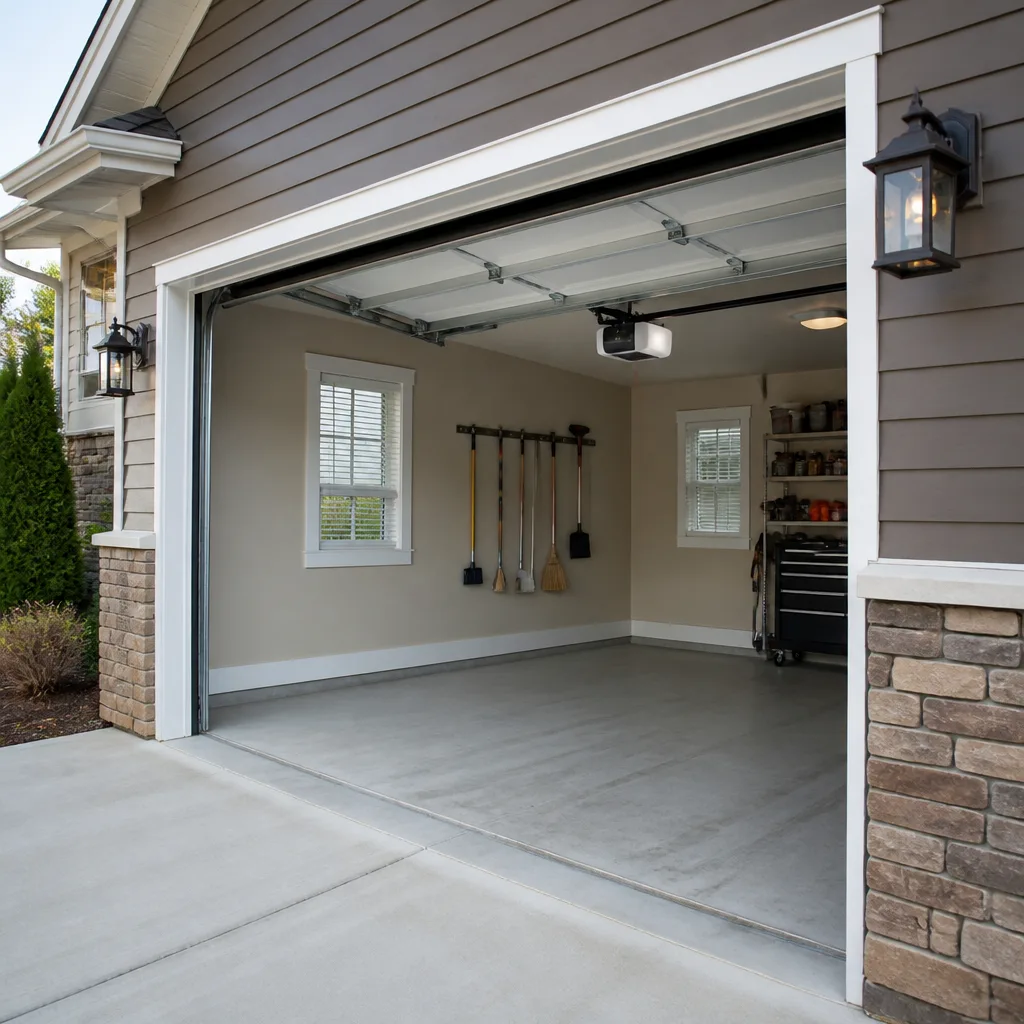 LiftMaster openers
 Chamberlain openers
Full 25-point door and opener safety check with every visit - springs, cables, rollers, tracks, and your LiftMaster or Chamberlain opener included
You get a price before we start. It does not change when the pro arrives.
Get your free estimateGarage Door Repair Maintenance Schedule: What to Do and When
Lubricating your springs in September is too late. By then, three months of South Florida humidity have already done their work, and that February failure was set in motion back in June. Most garage door maintenance advice was written for mild, dry climates and then copied everywhere, which is why so much of it tells you to “oil it twice a year” and call it done. That advice doesn’t hold up in Port St. Lucie, where sustained humidity, intense UV, and a distinct storm season reshape what your door needs and when. Below you’ll find a maintenance schedule built for local conditions: a month-by-month task calendar, the lubricants that survive 90%+ humidity, a safe spring-tension check, weatherstripping timing tied to UV exposure, and the opener maintenance most homeowners never think about.
Quick Answer
A garage door in Port St. Lucie needs monthly checks of the safety sensors, photo-eye lenses, and balance; lubrication every three to four months with a humidity-rated product; a full hardware inspection in February during the dry season; storm-readiness prep in May before hurricane season; and a post-storm inspection in November. Spring and cable problems, opener electronics faults, and any door that fails the balance test should go to a trained technician rather than a homeowner’s toolbox.
Styles & brands we work with
- Raised-panel steel
- Carriage house
- Modern flush
- Full-view glass
- LiftMaster openers
- Chamberlain openers
Table of Contents
- Why a Generic Maintenance Checklist Fails in Port St. Lucie
- The Month-by-Month Maintenance Calendar
- Choosing Lubricants That Survive Florida Humidity
- The Door Balance Test: A Safe Way to Check Spring Tension
- Weatherstripping and the UV Problem
- Opener Maintenance for Humid Garages
- The Monthly Ten-Minute Routine
- When to Call a Professional
- Frequently Asked Questions
Why a Generic Maintenance Checklist Fails in Port St. Lucie
Most maintenance schedules floating around online assume a climate with dry summers, cold winters, and a slow, even wear pattern. Port St. Lucie doesn’t work that way. Here, the door faces long stretches of high humidity that keep metal surfaces damp, a UV index that stays punishing through most of the year, and a storm season that puts wind-driven rain against every seal and panel edge. Each of those pressures attacks a different part of the system, and each one peaks at a different time of year.
That’s the core problem with “oil it twice a year.” A single spring service in September doesn’t undo the corrosion that built up over the summer, and a weatherstripping check in January misses the seal degradation that happened in August. The schedule has to match the calendar, not a generic annual interval.
We’ve seen how this plays out in real garages across Port St. Lucie. A door that gets a May inspection before storm season tends to hold up through the wet months. A door that gets no attention until something breaks tends to fail at the worst possible moment, usually right after a humid stretch when the springs have quietly been losing tension and the opener has been working harder than it should.
Here’s what changes when you schedule by season instead of by habit:
- Pre-storm prep (May) catches loose hardware, worn seals, and weak springs before wind-driven rain and storm-force gusts test them.
- Post-storm inspection (November) finds the subtle damage that storms leave behind: bent tracks, misaligned panels, seals pushed out of place.
- Dry-season hardware check (February) is the best time to inspect and adjust the mechanical system, because humidity is lower and problems are easier to spot.
- Monthly checks keep the small stuff from becoming a February emergency.
If you’d rather skip the guesswork entirely, our Tundra Garage Door Repair team handles the inspection side and can tell you exactly where your door stands. But even if you do it yourself, the calendar below is the one to follow in this climate.
The Month-by-Month Maintenance Calendar
This is the schedule we recommend for Port St. Lucie homes. Print it, stick it inside the garage, and treat each entry as a real task, not a suggestion. The months repeat every year, so once you build the habit, the timing becomes automatic.
January
- Wipe down the photo-eye lenses on both sides of the door opening.
- Run the balance test (covered below) and note the result.
- Listen for new sounds: grinding, squealing, or a door that hesitates mid-travel.
February (dry-season hardware check)
- Full inspection of hinges, rollers, and track alignment.
- Tighten loose bolts and brackets with a socket wrench, not a screwdriver.
- Check spring condition visually: look for gaps, rust, or a stretched, sagging shape.
- Test the auto-reverse safety feature with a small object.
March through April
- Apply a humidity-rated lubricant to springs, hinges, rollers, and the opener’s rail or chain.
- Check weatherstripping along the bottom and sides for cracks or gaps.
- Clear debris from the tracks and wipe them down.
May (pre-storm prep)
- Full storm-readiness inspection: seals, panels, tracks, and all fasteners.
- Confirm the door closes flush and seals evenly along the floor.
- Test the manual release so you know it works before you need it.
- Check that the opener’s battery backup (if equipped) is functional.
June through October (storm season)
- Monthly sensor wipe and balance test.
- After any significant storm, inspect for bent tracks, misaligned panels, and displaced seals.
- Re-lubricate moving parts every three to four months.
November (post-storm inspection)
- Full inspection for storm-related wear: track alignment, panel integrity, seal condition.
- Check for rust on springs, hinges, and fasteners after the wet season.
- Test the opener’s force and travel limits if the door feels different.
December
- Year-end review: note anything that felt off during the year and schedule it.
- Re-lubricate if it’s been three or four months since the last application.
- Check the opener’s safety sensors one more time before the new year.
This calendar is the single most useful thing you can do for a door in Port St. Lucie. It’s also the part homeowners most often skip, because nothing feels urgent until it fails. Spring the schedule forward a month if your garage runs hot and humid year-round; the tasks don’t change, only the pace.
Choosing Lubricants That Survive Florida Humidity
Not all garage door lubricants are built for a garage that sits at 90% humidity for weeks at a time. The wrong product either evaporates, leaving metal dry and exposed, or turns into a sticky film that traps grit and, in the worst cases, supports mold growth on the door’s moving parts. Choosing correctly is one of the highest-value maintenance decisions you’ll make.
Here’s how the common options sort out in this climate:
- White lithium grease holds up well on springs and hinges in sustained humidity. Apply a thin coat, not a thick one, and wipe away excess so it doesn’t collect dust.
- Silicone spray works well on tracks and weatherstripping because it doesn’t attract grit, but it needs more frequent reapplication in high humidity.
- Light machine oil is fine for rollers with sealed bearings, but it can migrate and leave a film if over-applied.
- WD-40 (the standard formula) is a solvent, not a lubricant. It displaces moisture briefly and then evaporates. It is not a substitute for a real lubricant, and using it as one leaves your door dry.
- Petroleum jelly and household oils attract dust and hold moisture against metal. Avoid them on a garage door.
In our experience, the products that fail fastest here are the ones that promise “multi-purpose” performance. Garage door hardware needs dedicated lubrication: white lithium or a purpose-made garage door lubricant for load-bearing parts, silicone for tracks and seals. Apply a light coat every three to four months, and always wipe away excess.
The “attract mold” problem isn’t a myth. A thick, sticky lubricant film on a door in a humid garage traps organic dust and moisture, and that combination is exactly what mold wants. Thin application solves most of it. If you’re seeing persistent mold or mildew on the door itself during the wet months, wipe it down rather than adding more product on top.
Brand doesn’t matter nearly as much as the base chemistry. A mid-priced white lithium grease from a hardware store will outperform a premium “garage door formula” silicone spray on springs every time. Match the product to the part, and reapply on schedule.
The Door Balance Test: A Safe Way to Check Spring Tension
The balance test is the single best at-home check you can do on a garage door, because it tells you when the springs have weakened before they fail outright. It’s simple, it’s safe when done correctly, and it gives you a clear number that tells you a professional visit is overdue.
Here’s the procedure:
- Close the door completely and disconnect the opener using the manual release cord.
- Lift the door by hand to about waist height, then let go.
- Watch what the door does. A healthy door should stay roughly where you left it, or drift only slightly.
- If the door falls quickly or drops to the floor, the springs are weak and the system needs attention.
- If the door rises on its own, the springs are over-tensioned and the system needs adjustment.
The number that matters: if the door won’t hold within a foot or so of where you released it, that’s your signal. A door that drifts more than that is asking for a professional adjustment. A door that falls all the way to the floor is a spring problem that should be repaired before the opener is reconnected.
One important safety note. The springs, cables, and tension hardware on a garage door are under heavy load and can cause serious injury if handled incorrectly. Do not try to adjust or replace springs yourself. The balance test tells you whether the system is healthy, not how to fix it. When the test fails, that’s the moment to call a technician.
We run this test on every inspection and see the same pattern in Port St. Lucie: doors that fail the balance test often did so gradually over months of humid-weather cycling, and the homeowner only noticed when the door started feeling “heavy.” If yours does, our garage door repair work starts with a free estimate that identifies the specific part at fault.
Weatherstripping and the UV Problem
Weatherstripping is the part of a garage door most homeowners think about last, and it’s the part that fails fastest in South Florida. The UV index here stays high through most of the year, and rubber and vinyl seals degrade roughly twice as fast under that exposure as they do in northern climates. Add humidity, and the seals that keep out rain, insects, and drafts are also the seals most likely to crack, harden, and pull away from their channels.
What to inspect:
- Bottom seal: Check along the full width of the door. Look for cracks, hardened sections, or gaps between the seal and the floor. Run your hand along it; it should feel pliable, not brittle.
- Side and top seals: Check where the door meets the frame. Weatherstripping that’s pulling away or flattened is doing nothing for you.
- Threshold: A broken or misaligned threshold lets water in and puts stress on the bottom seal.
In Port St. Lucie, tie the weatherstripping check to the seasons. Do a full pass in May before storm season, another in November after it, and a quick visual every month. Any seal that’s cracked, brittle, or detached should be replaced, not patched. A cheap patch will fail on the first storm.
One local consideration: during the summer, UV exposure is combined with long, humid days. A seal that looks fine in February can dry out and crack by July. If your door has a Clopay or Amarr panel system with matched seals, replacement is straightforward and keeps the door’s weather performance intact.
If the seals aren’t sealing, the door isn’t doing its job, no matter how well the springs and opener are working. This is also where homeowner effort usually stops paying off. Replacing a bottom seal is a manageable DIY task; replacing side and top seals, or dealing with a door that’s been water-intruding for a season, is better handled by someone who does it regularly. A free estimate will tell you which category you’re in.
Opener Maintenance for Humid Garages
The opener is where humid-climate maintenance gets the least attention and where it matters most. A garage door opener is an electronic device, and its circuit board, motor, and sensors are all living in one of the most humid environments in the house. That’s a different maintenance problem than the mechanical door, and it deserves its own routine.
Photo-eye lens fogging. The safety sensors sit low, near the floor, where condensation collects. Fogged lenses cause the door to reverse or refuse to close, which reads to the homeowner as a “broken opener.” A monthly wipe with a dry cloth solves most of these calls before they happen.
Circuit board moisture. Sustained humidity can lead to condensation on the opener’s circuit board, especially on older units mounted in an unconditioned garage. Symptoms include erratic behavior, delayed response, or the opener “forgetting” its limits. Keep the opener housing clear of stored items, and don’t block ventilation around it.
Sensor alignment. Sensors that are slightly misaligned can work in dry weather and fail when humidity shifts the track or the mounting bracket. Every month, check that both lenses are clean, facing each other, and that the indicator light on the receiving sensor is solid, not flickering.
Battery backup. If your opener has a battery backup, check it at least twice a year. It’s your only option during a power outage, and a dead backup is worthless when you need it.
Smart and connected openers. If you run a LiftMaster, Chamberlain, Genie, or Craftsman opener with Wi-Fi or MyQ connectivity, keep the firmware current and the app linked. We handle garage door opener repair across all four of those platforms, and we’ve seen how often a “dead opener” turns out to be a connectivity issue rather than a hardware fault.
The monthly sensor wipe is the cheapest maintenance you can do, and it prevents the most calls. Two minutes with a dry cloth once a month will save you a service visit over the course of a year.
The Monthly Ten-Minute Routine
Most of the damage that leads to expensive repairs happens in small, invisible increments. A monthly routine catches the increments before they compound. This is the checklist we recommend for Port St. Lucie homes, and it’s short enough that you’ll actually do it.
- Wipe both photo-eye lenses with a dry, lint-free cloth. Check that the indicator light on the receiving sensor is steady.
- Run the balance test. Disconnect the opener, lift the door to waist height, and watch what it does.
- Listen. Run the door up and down once. Grinding, squealing, popping, or a hesitation mid-travel is a signal.
- Look at the seals. A quick visual check of the bottom, side, and top weatherstripping.
- Test the auto-reverse. Place a small object in the door’s path and confirm the door reverses on contact.
- Check the tracks. Look for visible bends or debris, but don’t try to force a bent track back into position.
- Clear the perimeter. Anything stored against the door’s path or against the opener housing should be moved.
That’s ten minutes. It won’t catch everything, but it catches the things that most often turn into emergency repairs. If something feels off during the routine, don’t wait for it to fail. Note it and schedule an inspection.
We know that advice sounds self-serving coming from a repair company. Here’s the honest version: most of what we fix could have been caught in a monthly routine, and the homeowners who do the routine tend to go much longer between major repairs. That’s a better outcome for everyone.
See the difference
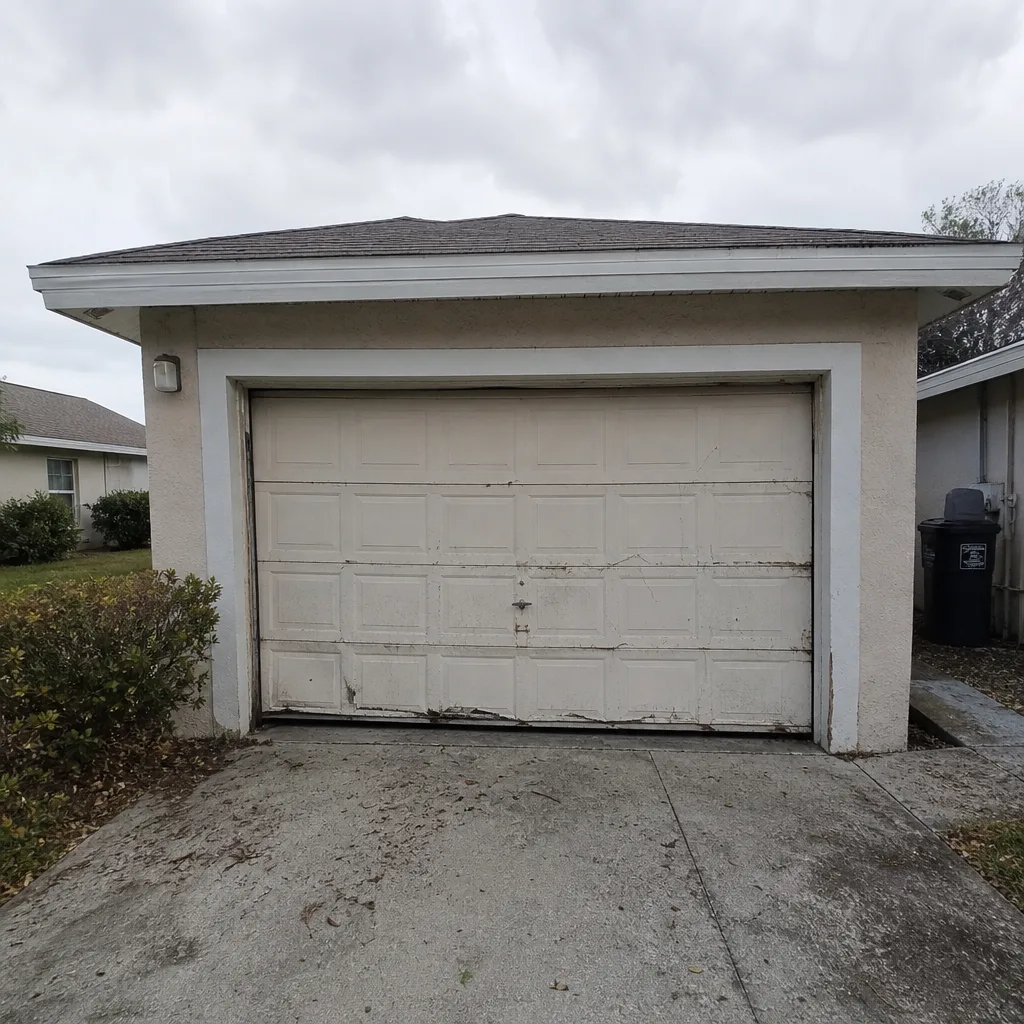 Before
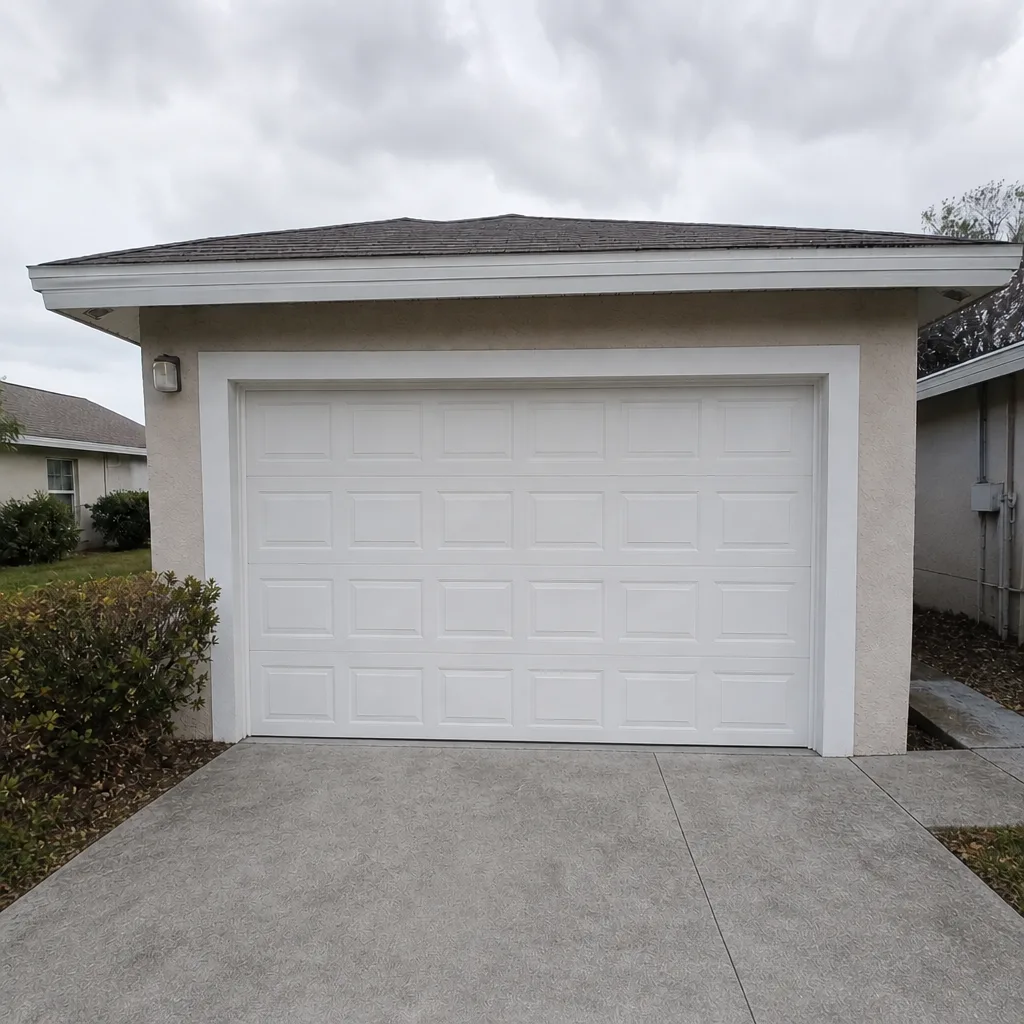 After
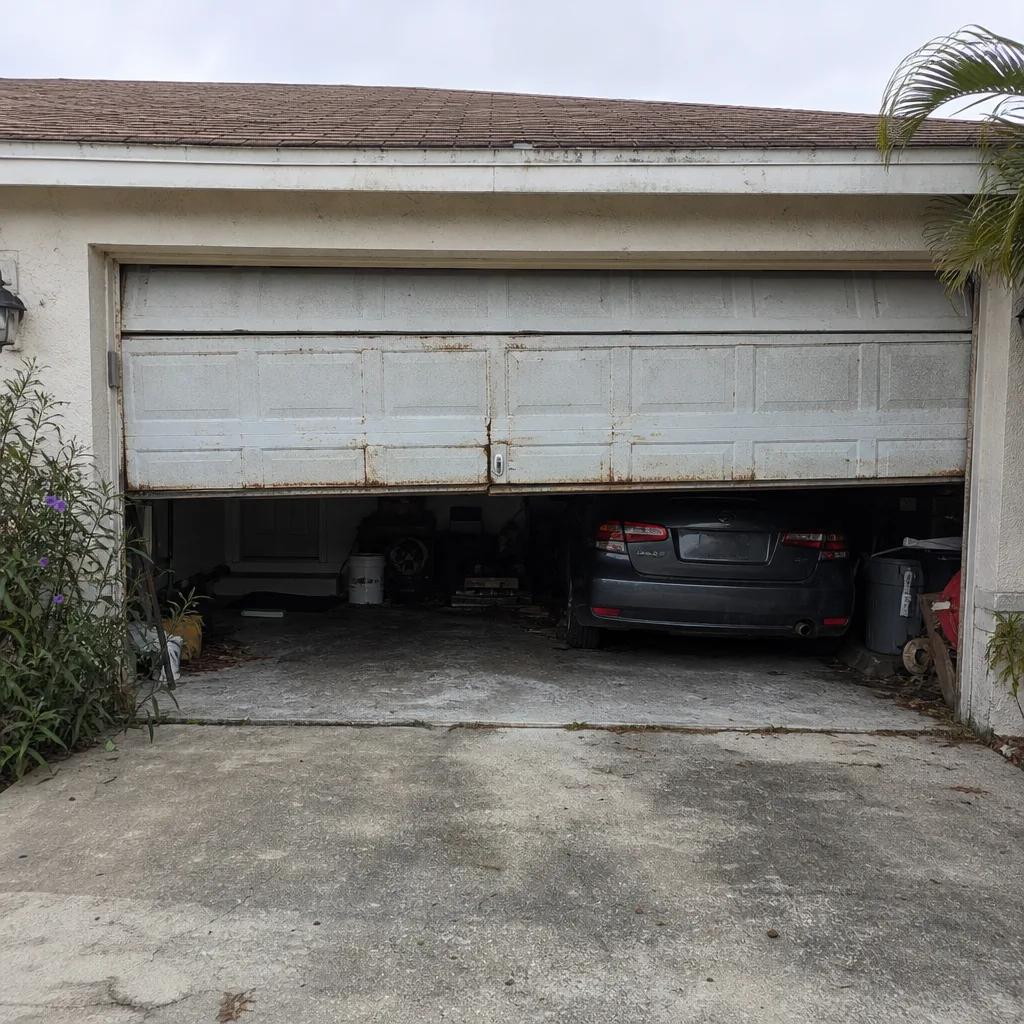 Before
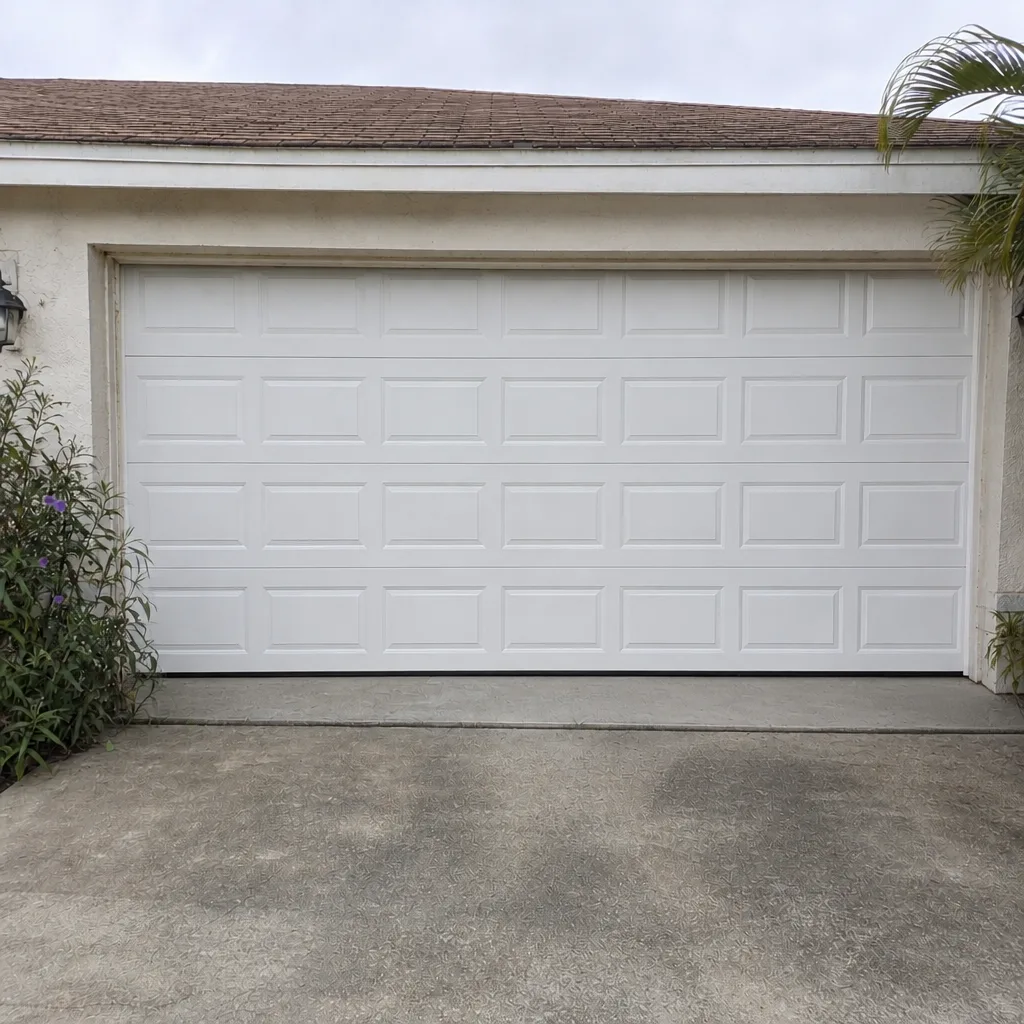 After
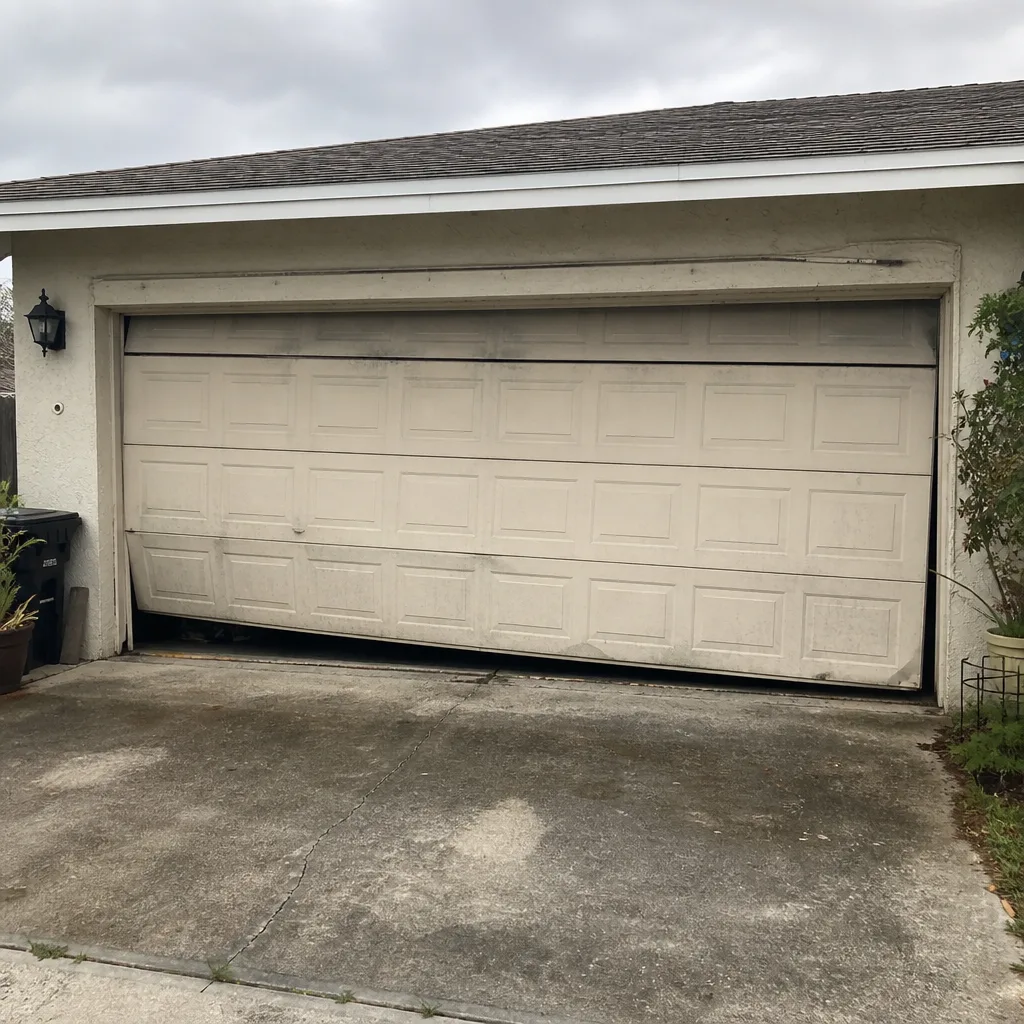 Before
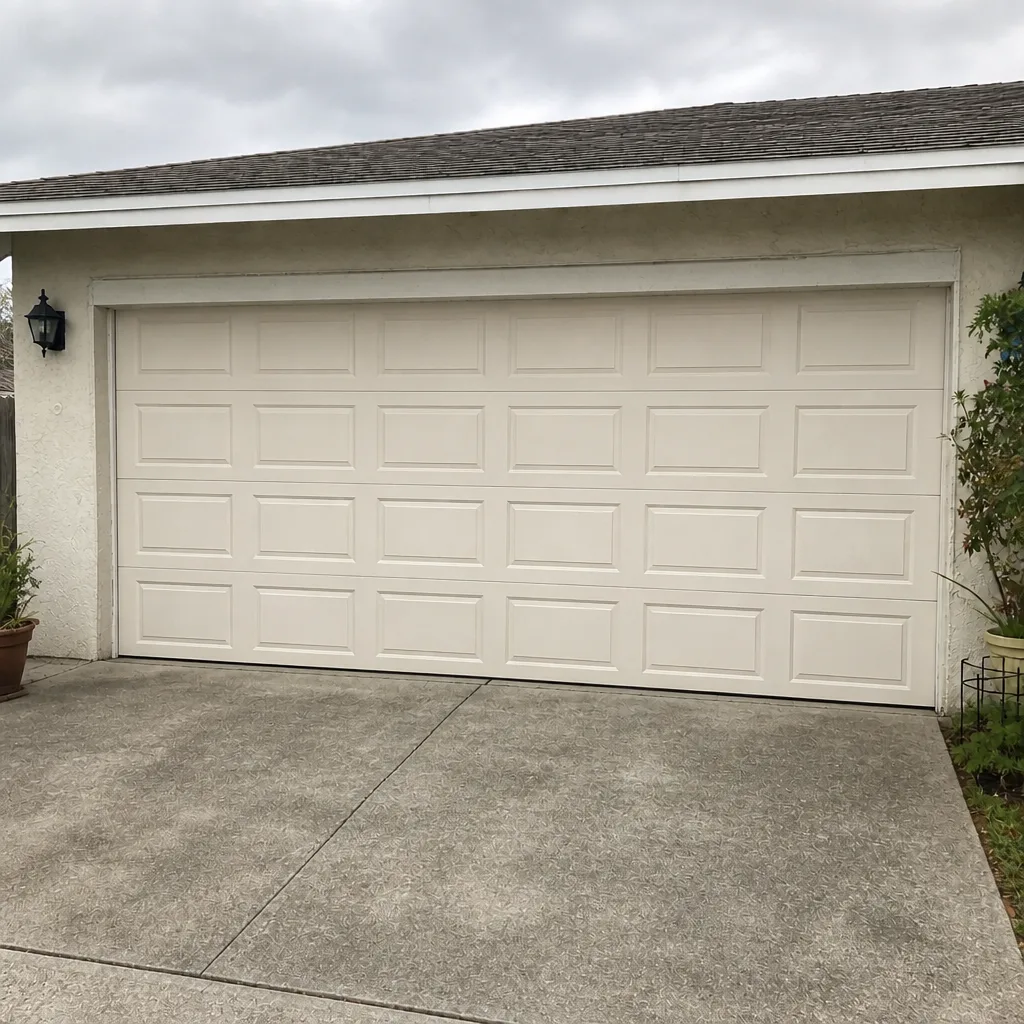 After
Common Mistakes to Avoid
- Skipping the May inspection. Storm season is the hardest test your door faces all year, and a May check is what prevents a February failure. A door that goes into the wet season with loose hardware or weak seals usually pays for it.
- Lubricating on the wrong schedule. Twice-a-year is a northern-climate habit. In Port St. Lucie, reapply every three to four months, because humidity breaks down lubricant faster than dry air does.
- Using WD-40 as a lubricant. It’s a solvent. It displaces moisture and then dries, leaving parts unprotected. Use a proper white lithium or silicone product instead.
- Adjusting springs yourself. Springs and cables are under heavy tension and can cause serious injury. If the balance test fails, call a technician rather than reaching for a wrench.
- Ignoring the photo-eye lenses. A fogged or dirty sensor on a humid morning reads as a dead opener. Wipe the lenses monthly; it prevents the most common service call.
- Patting down weatherstripping instead of replacing it. UV degrades seals twice as fast here, and patched seals fail on the first storm. Replace, don’t patch.
- Waiting for a failure instead of keeping the calendar. The whole point of a schedule is to catch problems before they become emergencies. A door that’s “still working” is not the same as a door that’s healthy.
There’s a pattern to every one of these. They’re all forms of assuming the northern-climate playbook applies here. It doesn’t. In Port St. Lucie, the calendar is part of the repair.
When to Call a Professional
Some garage door tasks are safe and reasonable for a homeowner. Others aren’t, and the distinction matters. Call a trained technician when:
- The door fails the balance test, meaning the springs need adjustment or replacement.
- You see a visible gap in a spring, or rust that’s more than surface-level.
- A cable has come loose, frayed, or is hanging slack.
- The door has been damaged by wind, impact, or a bent track.
- The opener behaves erratically, forgets its limits, or won’t respond to the remote.
- The door reverses on its own or refuses to close consistently.
- Weatherstripping has to be replaced along the side or top, or the door has been water-intruding.
If you’re in any of these situations, Tundra Garage Door Repair offers free estimates in Port St. Lucie. Call (833) 847-0310. We answer 24/7. Fast dispatch from 7am to 7pm, Sunday through Friday. We work on the brands you already own, including Craftsman, Wayne Dalton, Amarr, and Clopay, and our technicians have up to 12 years of experience. The written estimate sets the price before any work starts, so you know the number going in.
Frequently Asked Questions
Every three to four months in Port St. Lucie, not twice a year. Sustained humidity breaks down lubricant faster than dry climates do, so the standard northern-climate interval doesn’t hold. Use white lithium grease on springs and hinges, silicone spray on tracks and seals, and wipe away excess. Call (833) 847-0310 to schedule a lubrication and inspection visit if you’d rather not do it yourself.
You can and should check spring condition with the balance test, and you should never adjust or replace springs yourself. Disconnect the opener, lift the door to waist height, and let go. If it drifts more than a foot from where you released it, the springs need professional attention. Springs and cables are under heavy load and can cause serious injury. Call us for an estimate if the test fails.
Humidity is the usual cause. Fogged photo-eye lenses, condensation on the circuit board, and slight sensor misalignment all show up more often when the garage stays damp. A monthly wipe of the sensor lenses solves most of it. If your LiftMaster, Chamberlain, Genie, or Craftsman opener still misbehaves, call (833) 847-0310 for a free estimate.
As soon as it’s cracked, brittle, or pulling away, and at least a check in May and November. UV exposure here degrades seals roughly twice as fast as in northern climates, so seals that look fine in February can fail by July. Patches don’t survive storms. Call (833) 847-0310 for a free estimate if your seals need replacing.
Yes, and it takes about ten minutes. The routine catches small problems before they compound: a fogged sensor, a weakening spring, a seal that’s starting to fail. In our experience, the homeowners who keep the routine go much longer between major repairs. Call (833) 847-0310 if the routine turns up something you’d rather not tackle.
A full pre-storm inspection in May: seals, panels, tracks, all fasteners, the balance test, and a manual release test. That’s the single most valuable check of the year in Port St. Lucie, because it puts the door in the best shape going into the wet months. Call (833) 847-0310 for a free estimate and we’ll walk the door with you.
The Bottom Line
The generic “oil it twice a year” advice doesn’t fit Port St. Lucie. The schedule that works here is tied to the calendar: monthly sensor and balance checks, lubrication every three to four months, a dry-season hardware inspection in February, storm prep in May, and a post-storm inspection in November. The biggest risks are weak springs, UV-degraded weatherstripping, and humid-garage opener problems, all of which are catchable if you keep the routine. Skip the routine, and they tend to show up as emergency repairs at the worst possible moment. Tundra Garage Door Repair handles repair, opener repair, and installation across the brands you already own. Call (833) 847-0310 for a free estimate in Port St. Lucie. We answer 24/7. Fast dispatch from 7am to 7pm, Sunday through Friday. And when you’re ready to think about a full replacement, our Port St. Lucie page has more on local service.
Written by the team at Tundra Garage Door Repair.