
Last updated November 15, 2026
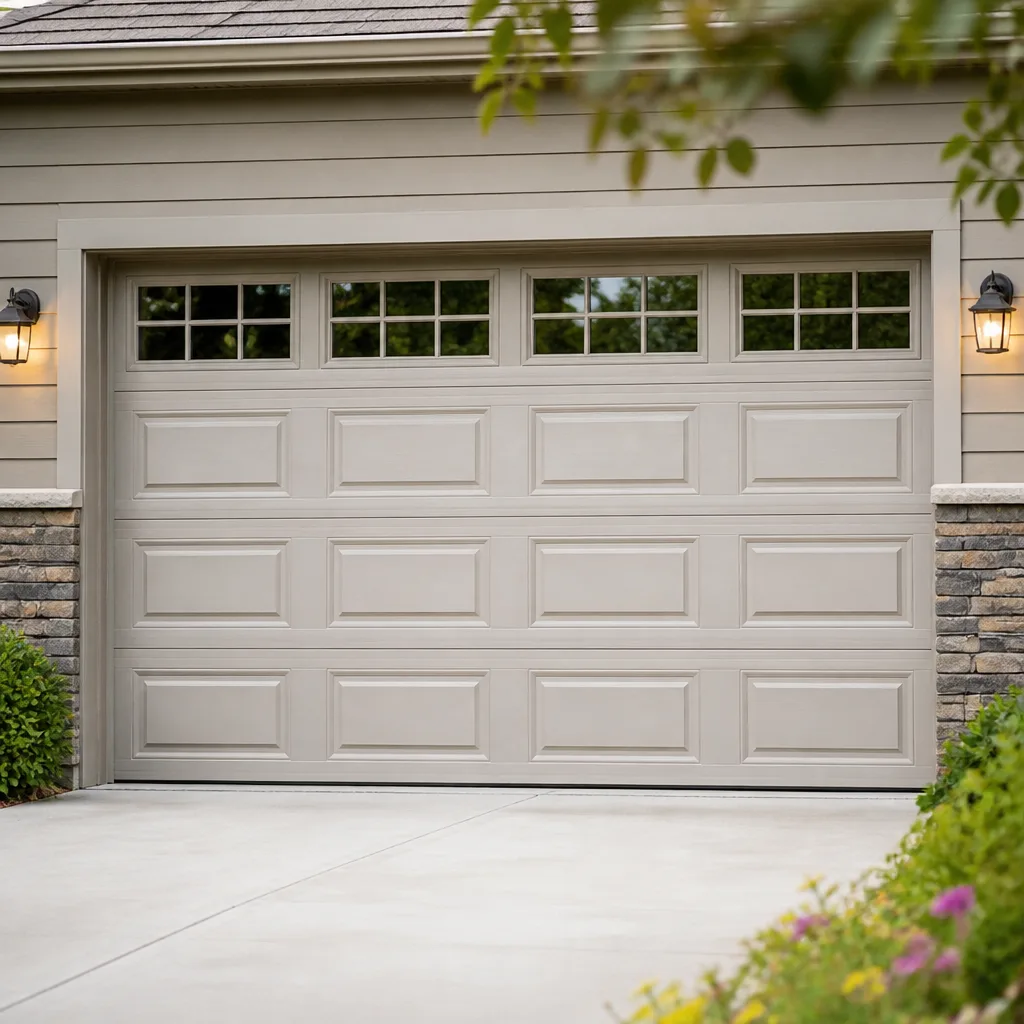 Raised-panel steel
 Carriage house
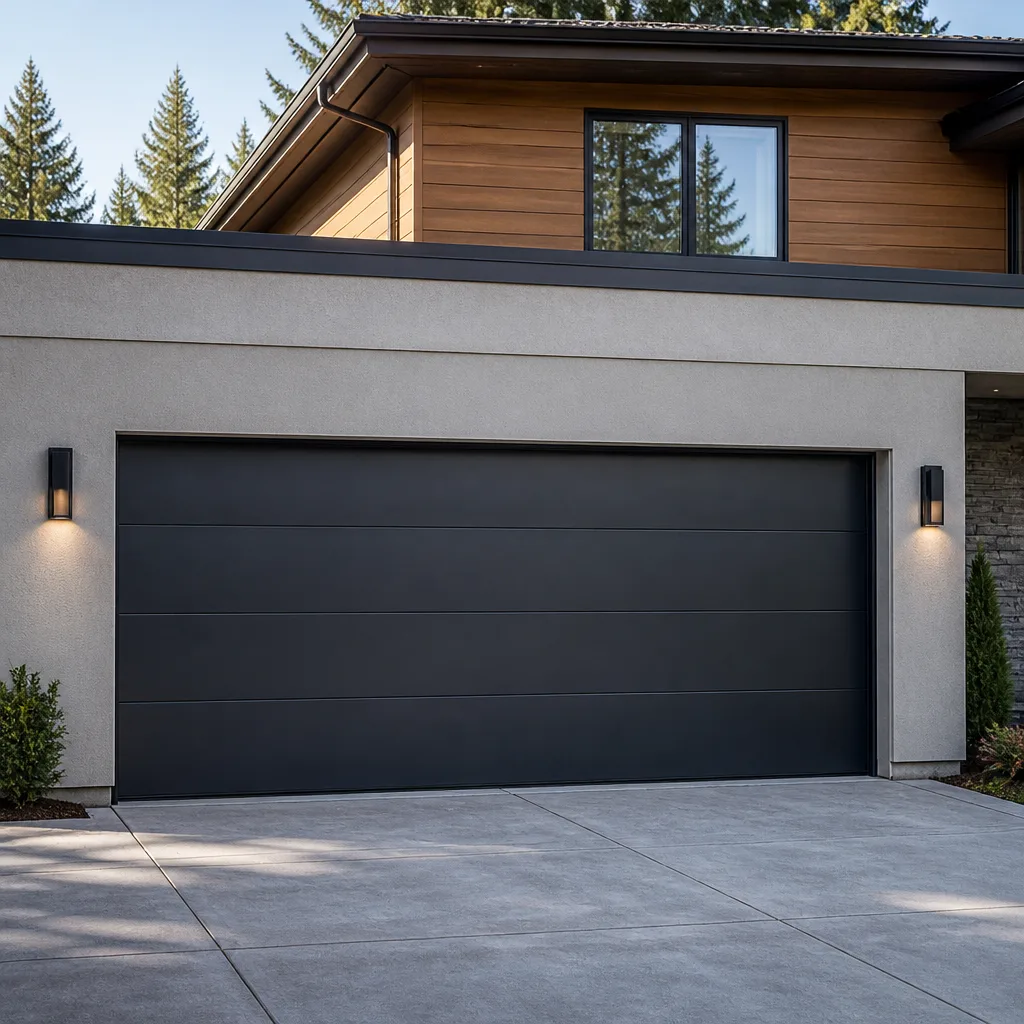 Modern flush
 Full-view glass
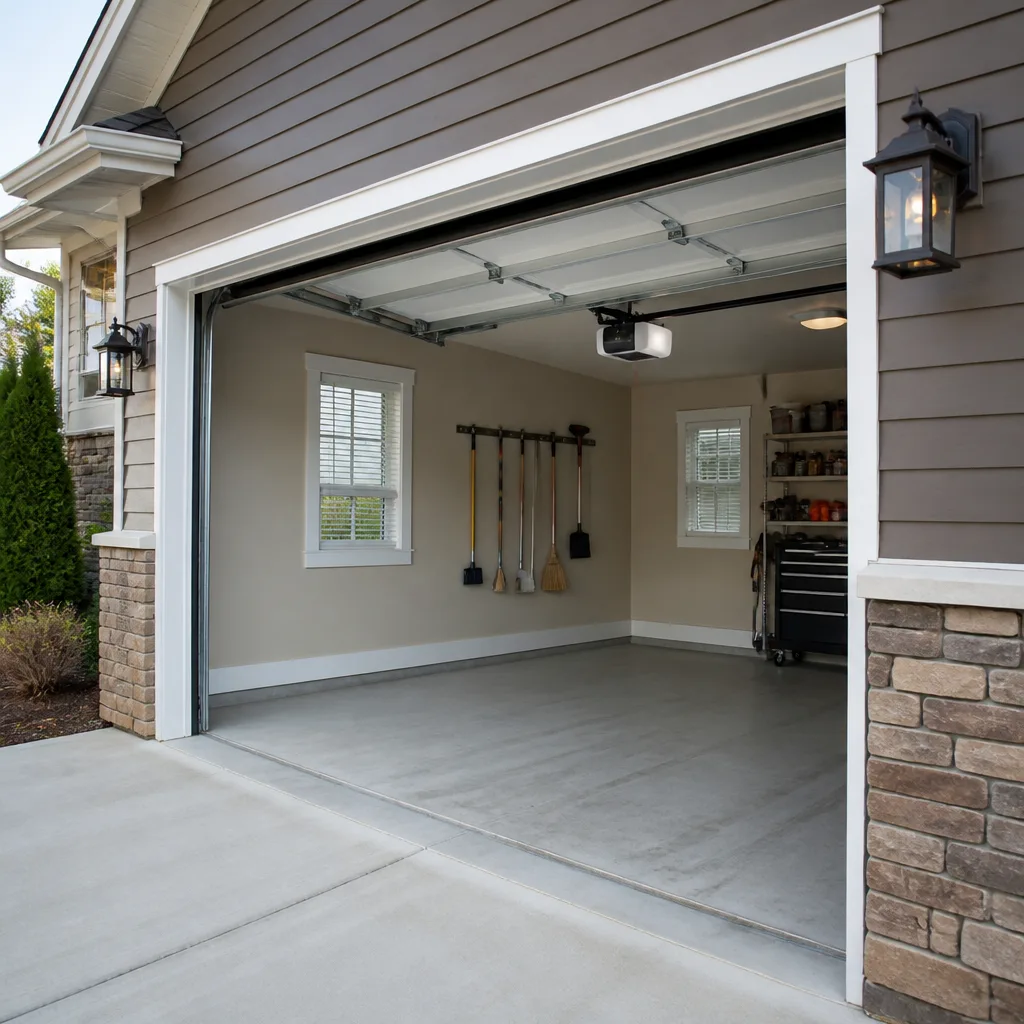 LiftMaster openers
 Chamberlain openers
Full 25-point door and opener safety check with every visit - springs, cables, rollers, tracks, and your LiftMaster or Chamberlain opener included
You get a price before we start. It does not change when the pro arrives.
Get your free estimateDIY vs Professional Garage Door: The Port St. Lucie Homeowner’s Decision Guide
Most homeowners think the DIY-or-hire question comes down to how handy they are. It doesn’t. It comes down to which garage door tasks are safe and legal to do yourself, and which ones involve stored energy or code obligations that no amount of YouTube confidence can overcome. A torsion spring under load can hurt you badly, and a DIY installation can create problems that surface years later during a home sale or an insurance claim. This guide draws a clear line: the jobs you can absolutely handle in Port St. Lucie, the jobs you shouldn’t touch, and how to make a professional call faster and cheaper when you need one.
Quick Answer
Lubrication, visual inspection, cleaning, and reprogramming a remote or keypad are genuinely safe DIY tasks for most Port St. Lucie homeowners. Torsion spring replacement, cable work, track realignment under tension, and full installation are jobs for a trained technician – the stored energy and the Florida code requirements make them dangerous and, in some cases, legally invalid to do yourself. When in doubt, diagnostics are free to do yourself, and a professional estimate costs nothing.
Styles & brands we work with
- Raised-panel steel
- Carriage house
- Modern flush
- Full-view glass
- LiftMaster openers
- Chamberlain openers
Table of Contents
- What Port St. Lucie Homeowners Can Safely Do Themselves
- Tasks That Are Physically Dangerous Regardless of Skill
- The Florida Legal Boundary: Permits and Product Approval
- The Hidden Cost of a Botched DIY Repair in a Humid Climate
- How to DIY the Diagnostics Before You Call
- What Garage Door Repair Costs in Port St. Lucie
- DIY Installation vs a Professional Install
- Why the Brand on Your Door Matters
What Port St. Lucie Homeowners Can Safely Do Themselves
Start with the good news. A meaningful share of garage door maintenance is squarely in homeowner territory, and doing it regularly extends the life of every moving part. The rule of thumb: if the task doesn’t involve a spring, a cable, or loosening a bracket that holds either one, it’s probably safe. Here’s the definitive list for a Port St. Lucie homeowner.
- Lubrication. A garage door in Florida’s humidity benefits from lubrication more often than the manual suggests. Apply a garage-door-specific lubricant to hinges, rollers, and the torsion bar bearings – not to the tracks themselves, which should stay clean and dry.
- Visual inspection. Look at springs for gaps or rust. Look at cables for fraying near the drum. Look at rollers for flat spots. Look at panels for dents or separation. Ten minutes twice a year catches most small problems.
- Balance test. Disconnect the opener (pull the release handle) and lift the door halfway by hand. A properly balanced door stays put. If it drifts down or slams up, the spring tension is off – that’s a call-a-professional moment.
- Remote and keypad reprogramming. Changing codes, adding remotes, and reconnecting a smart opener (LiftMaster MyQ, for example) are all homeowner tasks. The manual walks you through it.
- Cleaning and weatherstripping. Wiping down panels and replacing a worn bottom seal are simple, and in a humid climate the bottom seal matters more than most people realize.
- Photo-eye alignment. If your door reverses for no obvious reason, check that the two small sensors near the floor are facing each other and the indicator lights are solid.
None of these require a ladder beyond a step stool, a tool beyond a wrench, or any interaction with a loaded spring. If you can change a light bulb and read a manual, you can do all six of these in Port St. Lucie without a second thought.
Tasks That Are Physically Dangerous Regardless of Skill
This is where the conversation changes. A torsion spring on a standard residential door holds enough stored energy to cause serious injury or worse if it releases unexpectedly. That’s not a marketing line – it’s the reason garage door technicians treat spring work with a specific set of winding bars, a specific procedure, and full attention every single time. Cables are under the same tension and can whip when they fail. We’ve seen what happens when a homeowner tries to “just loosen” a spring with a socket wrench and a screwdriver, and it is never worth the risk.
Here is what falls firmly on the professional side:
- Torsion and extension spring replacement. Both store energy. Both require controlled release and controlled re-tensioning. There’s no safe shortcut.
- Cable replacement and rewinding. Cables spool under tension around the drum. A snap can injure hands, arms, and faces.
- Track realignment when the door is attached. Tracks look like simple metal rails, but they carry the full weight of the door and any adjustment risks sudden movement.
- Panel replacement on a door with springs under tension. Removing a section means redistributing weight the springs are holding.
- Anything involving the opener’s drive mechanism while it’s energized. Obvious in theory, easy to forget in practice.
You don’t need to be strong to be killed by a spring. You need to be unlucky once. That’s the whole reason this category exists. If a garage door repair task involves a spring or a cable, stop and call a trained technician. Our technicians have up to 12 years of experience with exactly these jobs.
The Florida Legal Boundary: Permits and Product Approval
Florida has stricter rules on exterior openings than most states, and garage doors fall under the rules that govern wind-borne debris protection in many jurisdictions. What that means in practice: a new garage door installation may require a permit and must meet Florida Product Approval for the specific door model and the opening it covers. A homeowner who installs a door without that approval on file can create a real problem later – during a home sale the buyer’s inspector will ask for the permit and the approval documentation, and a missing paper trail can hold up closing or force a re-do.
Here’s how the boundary breaks down:
- Repair of existing door components (springs, cables, rollers, hinges, opener repair) generally does not require a permit because you’re not changing the assembly’s approved configuration.
- Full door replacement typically requires a permit because the door is a rated component of the building envelope.
- Structural modification to the opening – widening, changing header, altering the framing – always requires a permit and inspection.
- Opener replacement usually doesn’t require a permit, but electrical work to add a new circuit does.
The exact requirement can vary by jurisdiction and by the specific door. The safest move on any Port St. Lucie installation is to ask the city’s building department directly what’s required for your address and the door you’re considering. A licensed installer will already know how to pull the permit and keep the documentation in order, which is one of the quiet reasons professional installation tends to save headaches later. When it’s time for a new door or a garage door opener repair, having the paperwork trail matters as much as the install itself.
The Hidden Cost of a Botched DIY Repair in a Humid Climate
Port St. Lucie’s humidity is patient. A garage door that’s slightly out of alignment, a bottom seal that’s just a little loose, or a weatherstrip that was pressed on without proper adhesive won’t fail dramatically. It will fail slowly, over a year or two, and by the time you notice, the damage runs deeper than the original problem. Moist air slips past a bad seal, works into the panel edges and hinge points, and starts the corrosion process from the inside out. In a drier climate that same imperfect seal might last a decade. Here, it doesn’t.
What a “small” DIY error actually costs over time:
- Alignment drift. A door that’s off by a quarter inch puts extra load on one spring, shortening its life and wearing the opener’s gears unevenly.
- Seal failure. A bottom seal that doesn’t fully contact the floor lets moist air in and lets conditioned air out. In summer, that shows up on your power bill before it shows up in the garage.
- Panel corrosion. Steel panels that get moisture trapped at the seams rust at the joint first, and the rust spreads under the paint before you see it.
- Opener strain. A misaligned door makes the opener work harder, which shortens the life of the motor and the drive belt or chain.
None of these are dramatic failures. They’re a slow tax on a repair that should have been a one-time cost. That’s the hidden argument for hiring the job to a technician – not that DIY can’t get a door to move, but that doing it right the first time is what stops the second problem from starting.
How to DIY the Diagnostics Before You Call
Here’s where a bit of homeowner effort pays off directly. When you do need professional help, a clear, specific description of what’s happening saves diagnostic time and makes the estimate sharper. You don’t need to fix anything – you need to document. This is one of the genuinely useful DIY skills, and it’s fully within your rights as a homeowner.
- Watch the door cycle twice with the opener. Note where in the cycle the problem shows: at the start, halfway, or at the top. Write it down.
- Disconnect the opener and test the door by hand. Lift it slowly. Note whether it’s heavy, uneven, or if it drifts when released. Don’t force anything.
- Photograph the springs and cables. From the ground, not on a ladder. Get clear shots of any rust, gaps, or fraying. These photos are gold when you call.
- Check the opener lights. Most modern openers (LiftMaster, Chamberlain, Craftsman) flash a specific code when a safety sensor is blocked or a limit switch is off. Note the pattern.
- Listen. Grinding, popping, clicking, or a rattling that wasn’t there before. Note when in the cycle it happens.
- Write down the door brand and opener brand. If you don’t know, photograph the labels. Wayne Dalton, Raynor, Clopay, and the others each have idiosyncrasies.
When you call a technician with this information in hand, the conversation moves straight to the likely cause instead of starting from zero. For a Port St. Lucie homeowner, that’s the difference between one visit and two.
What Garage Door Repair Costs in Port St. Lucie
Real question, and the honest answer: repair pricing varies by what’s actually broken, so any honest range is a range, not a promise. What we can give you is a realistic band for the most common repairs in the Port St. Lucie market, so you know roughly what to expect before the technician is in your driveway. Every price we quote is set per job by a written estimate, agreed before any work starts. No surprises after.
Typical estimated ranges for common garage door repairs in Port St. Lucie:
- Torsion spring replacement (one spring): typically $180 to $340
- Torsion spring replacement (matched pair, the usual recommendation): about twice the single-spring range
- Extension spring replacement (per spring): typically $150 to $280
- Cable replacement (per side): typically $120 to $260
- Roller or hinge replacement (full set): typically $100 to $220
- Track realignment: typically $110 to $240
- Off-track door reset (door down): typically $180 to $350
- Opener repair or sensor replacement: typically $120 to $290
- Weatherstrip or bottom seal replacement: typically $90 to $200
Two things to note. First, when one spring in a matched pair breaks, technicians typically replace both – the surviving spring is usually within a year or two of failing itself, and paying for a second service call later ends up costing more. Second, the price quoted is the price charged unless the technician finds something meaningfully different once the door is open and inspected – and if that happens, you’ll be told before anyone picks up a tool. If you’re considering garage door repair, call for an exact quote. Estimates are free.
DIY Installation vs a Professional Install
A new door sounds like it should be a weekend project. It isn’t, for one reason that has nothing to do with your skills: the door has to be correctly matched to the opening, correctly tensioned for the door’s weight, correctly sealed against moisture, and correctly documented under Florida Product Approval. Get any of those wrong and the door “works” – until it doesn’t. We approach installation as a measured job, not a same-day one: we measure the opening, confirm the door and hardware match, and schedule the install. There’s no benefit to rushing a component this heavy and this exposed to the elements.
What professional installation covers that DIY typically doesn’t:
- Measurements done twice. Opening dimensions, headroom, side clearance, and sill condition – each one matters for a correct fit.
- Correct spring tension for the specific door weight. This is where DIY installs most often go wrong and where most door failures trace back.
- Florida Product Approval documentation. The paper trail a buyer, inspector, or insurer will want.
- Proper sealing against humidity. Weatherstripping and bottom seals installed to keep moist air out, not just to look finished.
- Warranty on the product through the manufacturer. Many door warranties are voided by improper installation, which is a cost you don’t discover until you need it.
If you’re considering a new door in Port St. Lucie, the smart move is a free measure and a written price. That’s how installation estimates should work, and it’s what we do. One call covers the measure, the product choice, and the install date.
Why the Brand on Your Door Matters
When you do call a professional, brand familiarity saves time and money. Each manufacturer has its own design conventions, its own spring sizing, and its own opener integration quirks. A technician who works across all of them every day can identify the system in your garage within seconds and go straight to the right fix. A technician who only knows one brand often has to guess or upsell a replacement.
We service the brands that actually show up on Port St. Lucie homes – Wayne Dalton, LiftMaster, Chamberlain, Genie, Clopay, Amarr, Craftsman, and Raynor – which means most homeowners already own a system we know inside and out. Opener expertise is its own category now: smart and Wi-Fi-connected openers (LiftMaster MyQ, Chamberlain, Genie Connected) fail in ways that need electronic diagnostics, not just mechanical adjustment. And when a door reaches the end of its life and a new one makes more sense than another repair, we handle the install side too. One call covers it all – the repair today, the replacement when the time comes.
If you want to see how we work in the community, start with our Port St. Lucie service areas, or come back to the Tundra Garage Door Repair home page for the full scope of repair, opener, and installation work.
Common Mistakes to Avoid
- Trying to loosen a torsion spring “just a little.” There is no safe partial release. The spring is either under control or it isn’t, and “isn’t” is where injuries happen.
- Assuming a working door is a safe door. A door that goes up and down can still have a spring near failure or a frayed cable. Visual inspection catches most of these before they strand you.
- Buying a universal remote without checking the opener brand. Modern openers (LiftMaster, Chamberlain, Genie, Craftsman) have specific frequency and rolling-code requirements, and a mismatched remote is a wasted purchase.
- Skipping the permit on a new install. A missing permit or Product Approval document can surface years later during a home sale in Port St. Lucie and become a negotiation problem you didn’t plan for.
- Replacing one spring when the pair is due. The surviving spring is usually within a short window of the failed one. Doing both at once is almost always cheaper than two separate visits.
- Ignoring a bad bottom seal. In Florida’s humidity, a loose seal lets moist air in and drives corrosion at the panel seams faster than the door’s other wear points.
- Lubricating the tracks. Tracks should be clean and dry. Grease in the tracks attracts grit, which accelerates roller wear and starts the problem you were trying to prevent.
See the difference
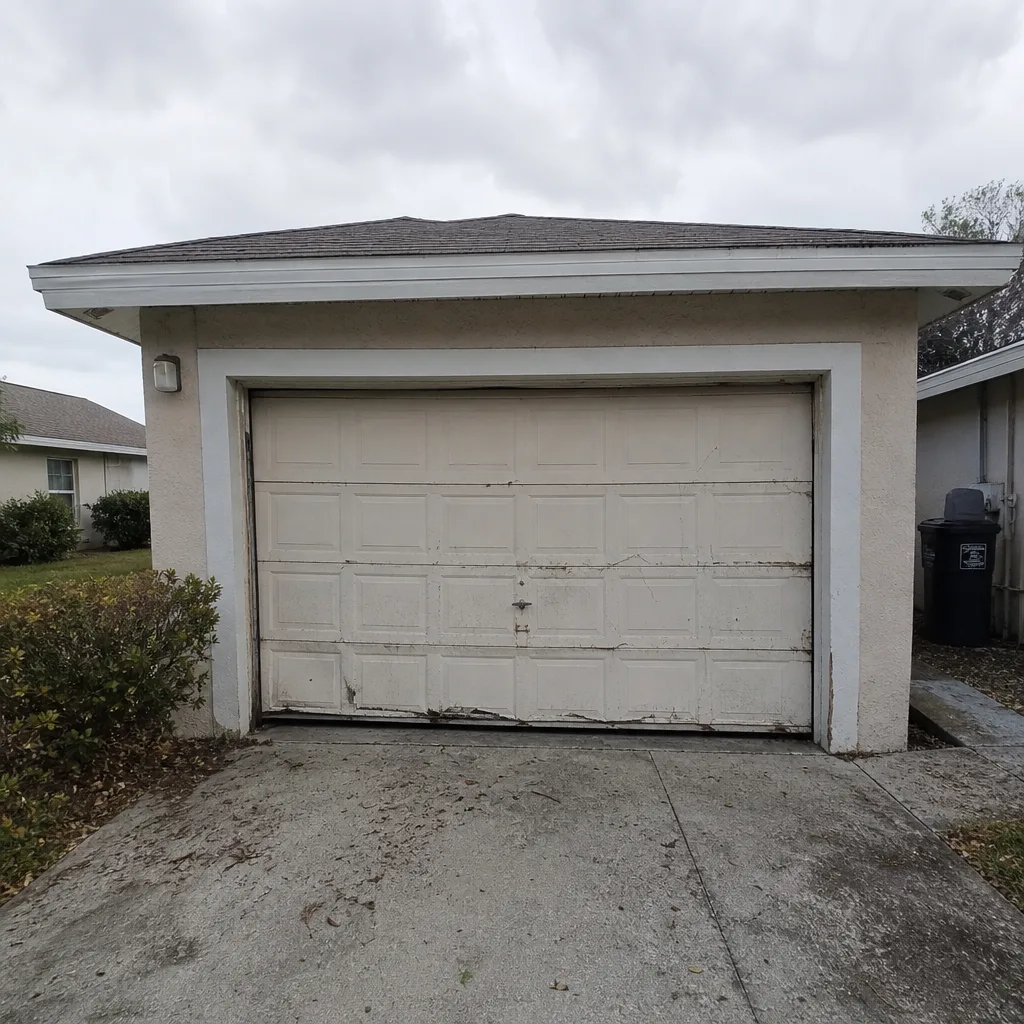 Before
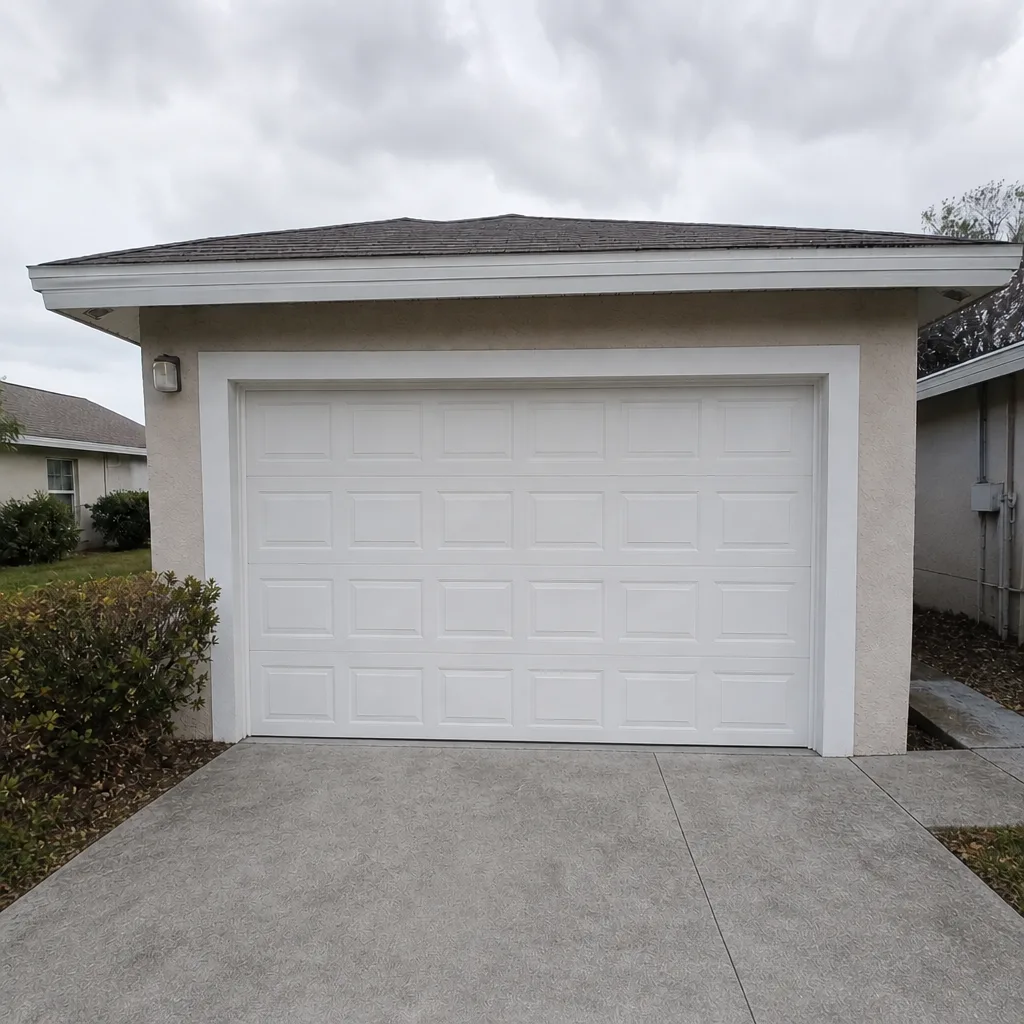 After
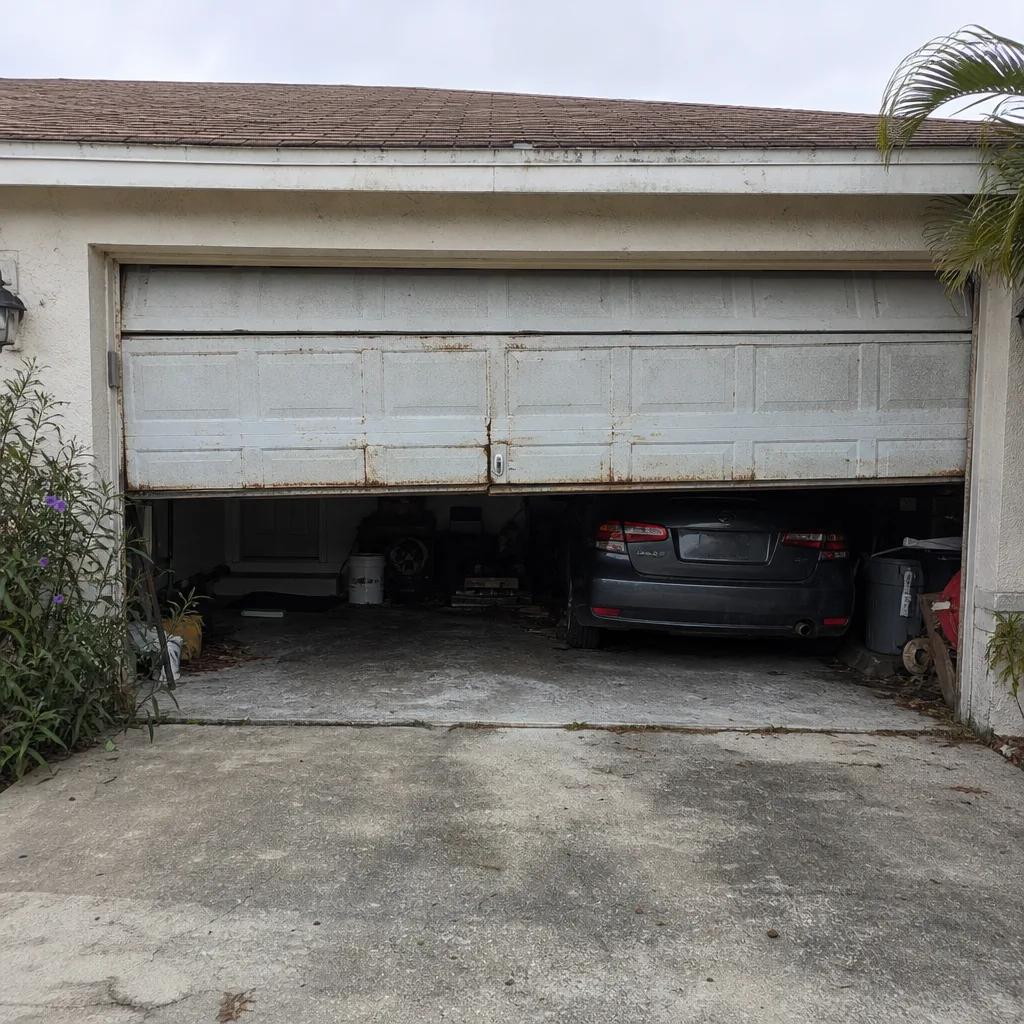 Before
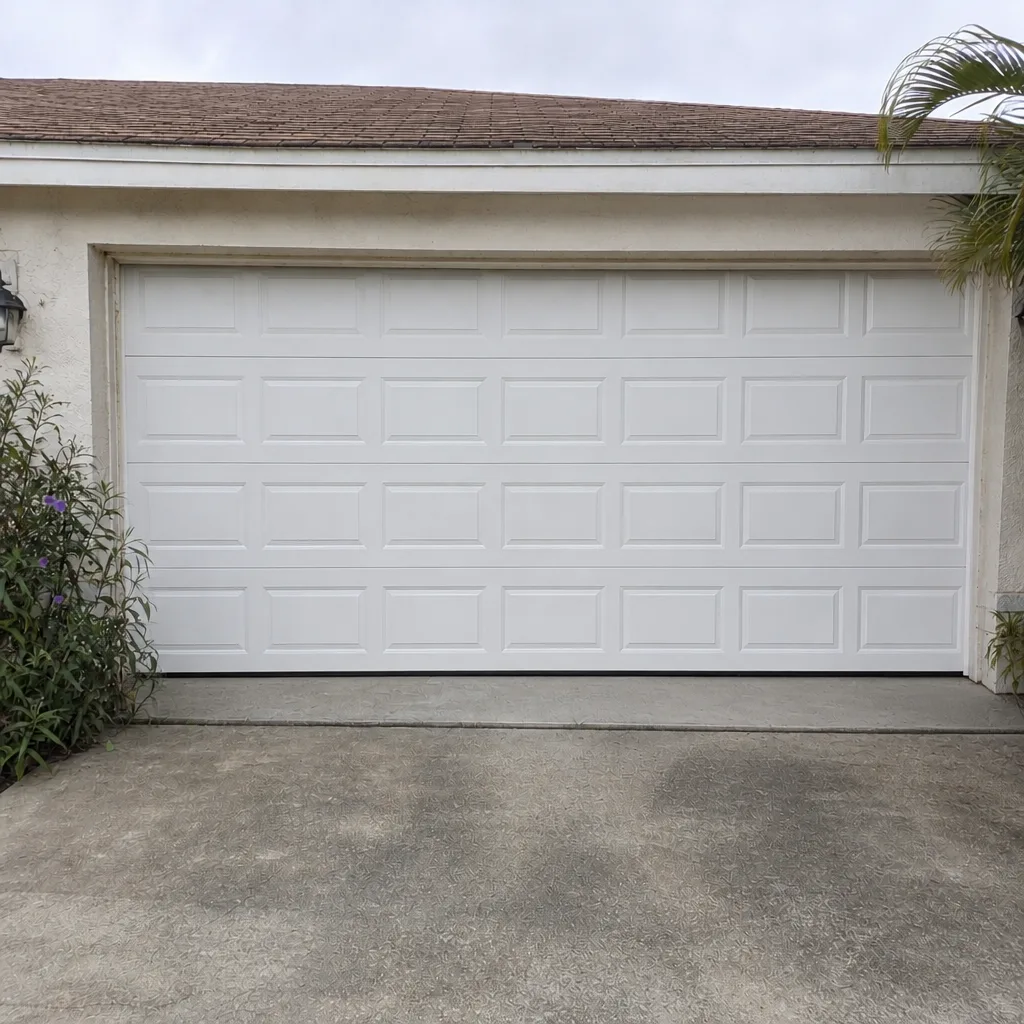 After
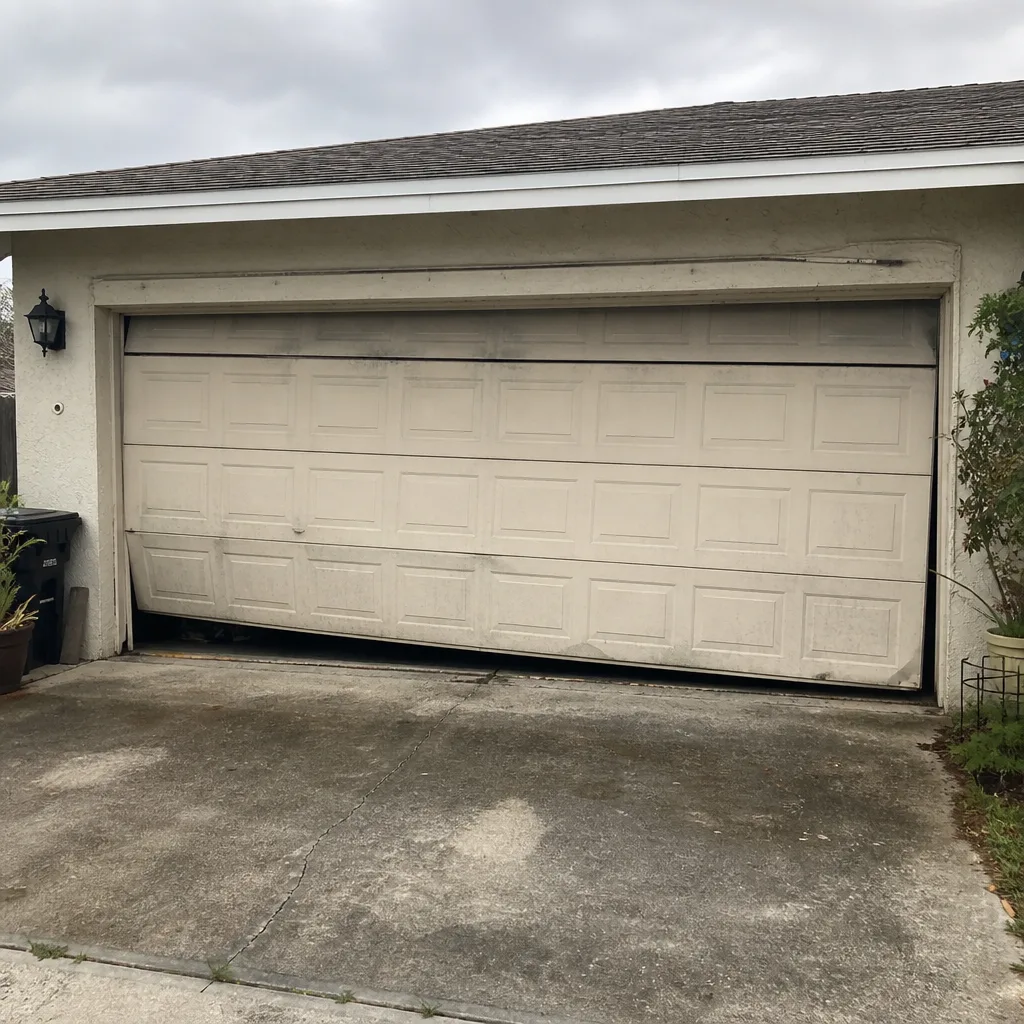 Before
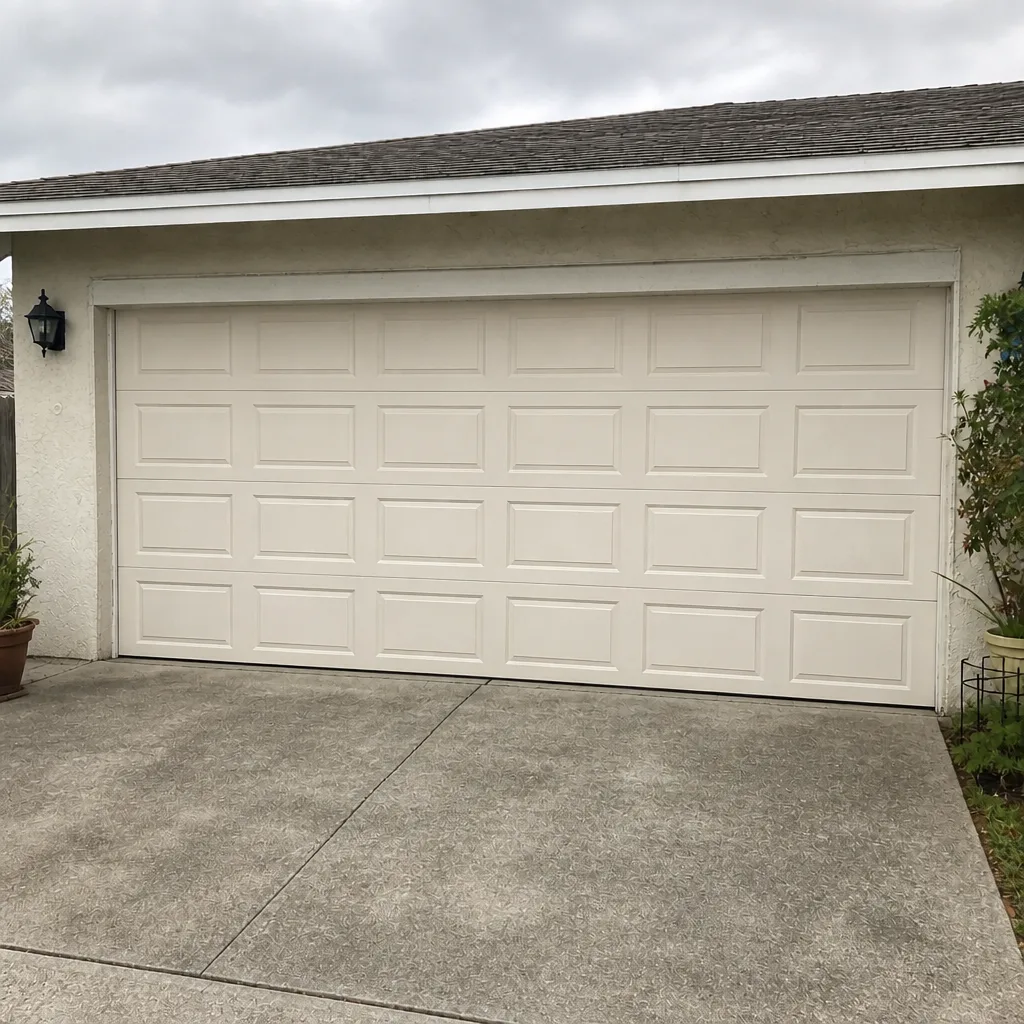 After
When to Call a Professional
Call a professional the moment a spring breaks, a cable frays, the door comes off its track, or an opener makes a noise that wasn’t there last week. Call when the door is heavier than it used to be, when it reverses on its own, or when it’s visibly off-balance. Call before a full installation, and call when you’re not sure whether a noise or a wobble is a real problem. The cost of a free estimate is zero; the cost of ignoring a small issue until it becomes a stranding issue is not. Tundra Garage Door Repair offers free estimates in Port St. Lucie – call (833) 847-0310. Our technicians have up to 12 years of experience, we’re licensed and insured, and the written price you agree to before work starts is the price you pay.
Frequently Asked Questions
No, and this isn’t a matter of skill – it’s a matter of stored energy. A torsion spring on a standard residential door is under enough tension to cause serious injury or worse if it releases unexpectedly, which is why technicians use winding bars and specific procedures. Call a trained professional for any spring or cable work. Call (833) 847-0310 for an exact quote – estimates are free.
In many cases yes, and a replacement door typically needs to meet Florida Product Approval for the specific model and opening. Requirements can vary, so ask the city’s building department directly for your address and the door you’re considering. A licensed installer will pull the permit and keep the documentation in order, which matters at home sale time. Call (833) 847-0310 for a free estimate on an installation.
Typical estimated pricing runs $180 to $340 for one torsion spring, and about twice that for a matched pair, which is usually what technicians recommend. Extension springs run lower. The written estimate sets the final price, and the price is agreed before any work starts. Call (833) 847-0310 for an exact quote – estimates are free.
Only if the inspection reveals something meaningfully different from what we discussed, and you’ll be told before any work begins – not after. The written estimate is the price; there’s no surprise invoice. If the diagnosis shifts, we re-quote so you can decide with clear information. Call (833) 847-0310 for an exact quote – estimates are free.
Yes. The technicians we connect you with are licensed and insured, and that matters more than most homeowners realize on this specific trade – spring and cable work carries real risk. Licensed, insured, and covered for the work that’s being done. Call (833) 847-0310 for a free estimate. We answer 24/7, with fast dispatch from 7am to 7pm, Sunday through Friday.
Often yes – a door that won’t close is exactly the kind of repair we prioritize, and same-day service is available depending on the day and schedule. Call (833) 847-0310 to check. We answer 24/7, with fast dispatch from 7am to 7pm, Sunday through Friday.
The Bottom Line
The DIY vs professional garage door decision in Port St. Lucie splits along two lines: physics and paperwork. Lubrication, visual inspection, cleaning, sensor checks, and remote programming are all homeowner tasks, and doing them regularly extends the life of every part on your door. Spring work, cable work, and installation are not – the stored energy makes them dangerous, and the Florida Product Approval requirement makes a DIY install a liability that can surface during a home sale. Diagnostics, though, are all yours, and a clear description saves time and sharpens the estimate. When in doubt, get a written price before you commit. That’s the answer that holds up.
Contact
Whether you already know what’s broken or you’re still deciding, we can help. Tundra Garage Door Repair handles repair, opener repair, and installation across the brands you already own – Wayne Dalton, LiftMaster, Chamberlain, Genie, Clopay, Amarr, Craftsman, and Raynor. We work across Port St. Lucie and the surrounding communities, with free estimates and a written price agreed before any work starts. Call (833) 847-0310 for a free estimate. We answer 24/7, with fast dispatch from 7am to 7pm, Sunday through Friday.
Written by the team at Tundra Garage Door Repair.