
Last updated November 15, 2026
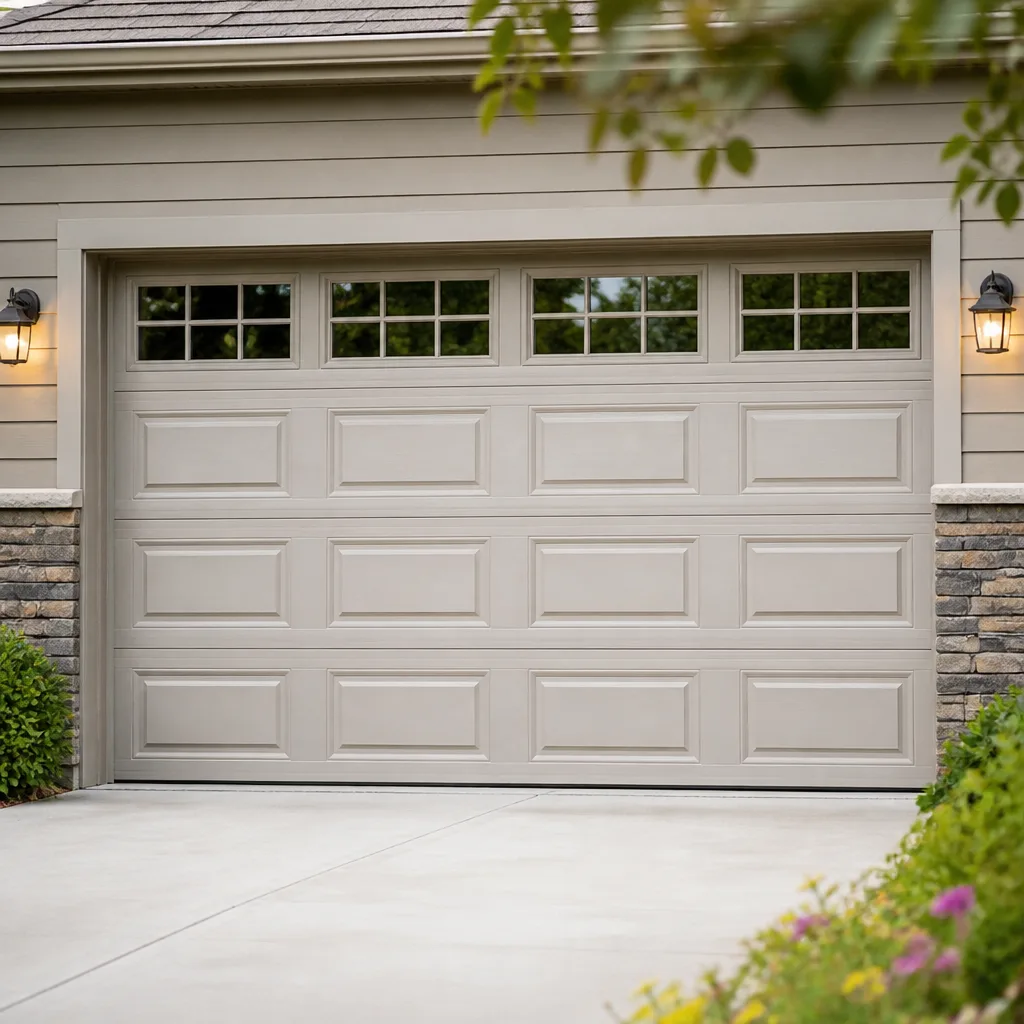 Raised-panel steel
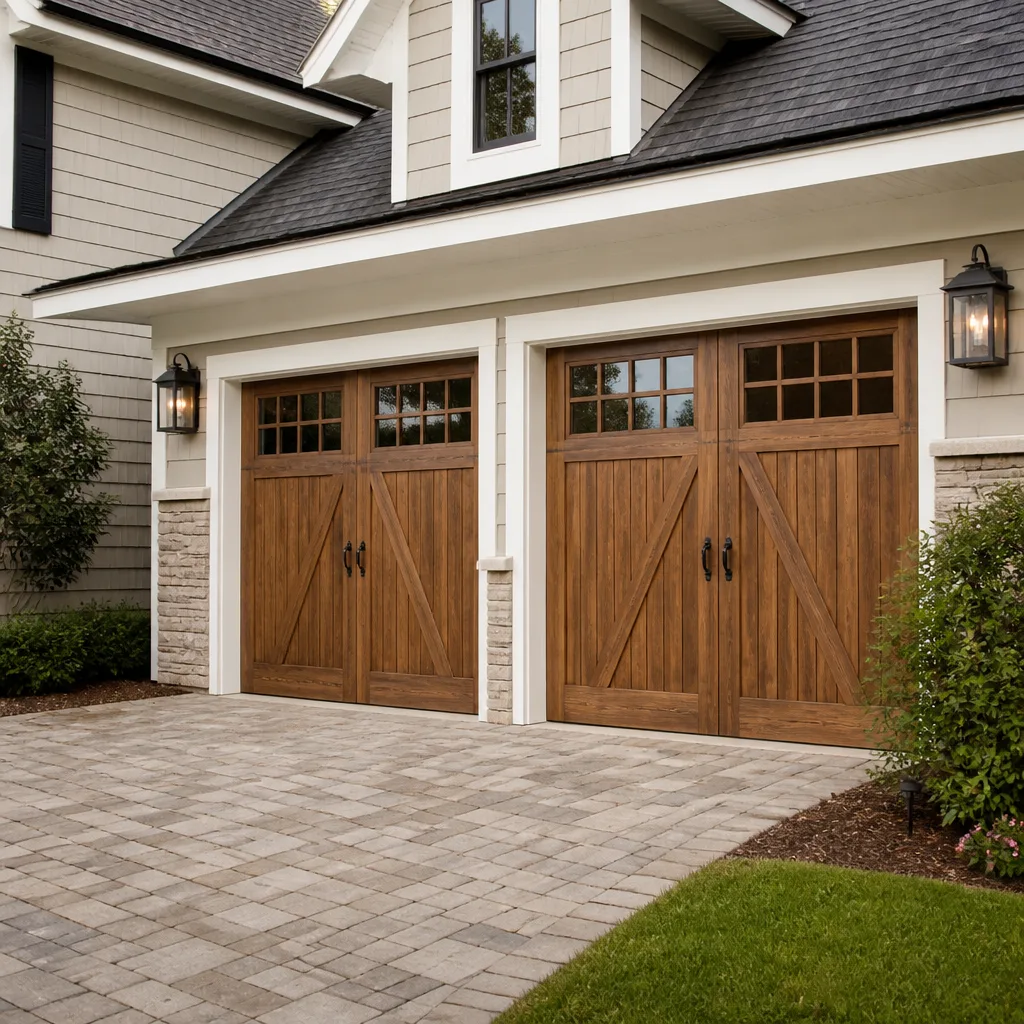 Carriage house
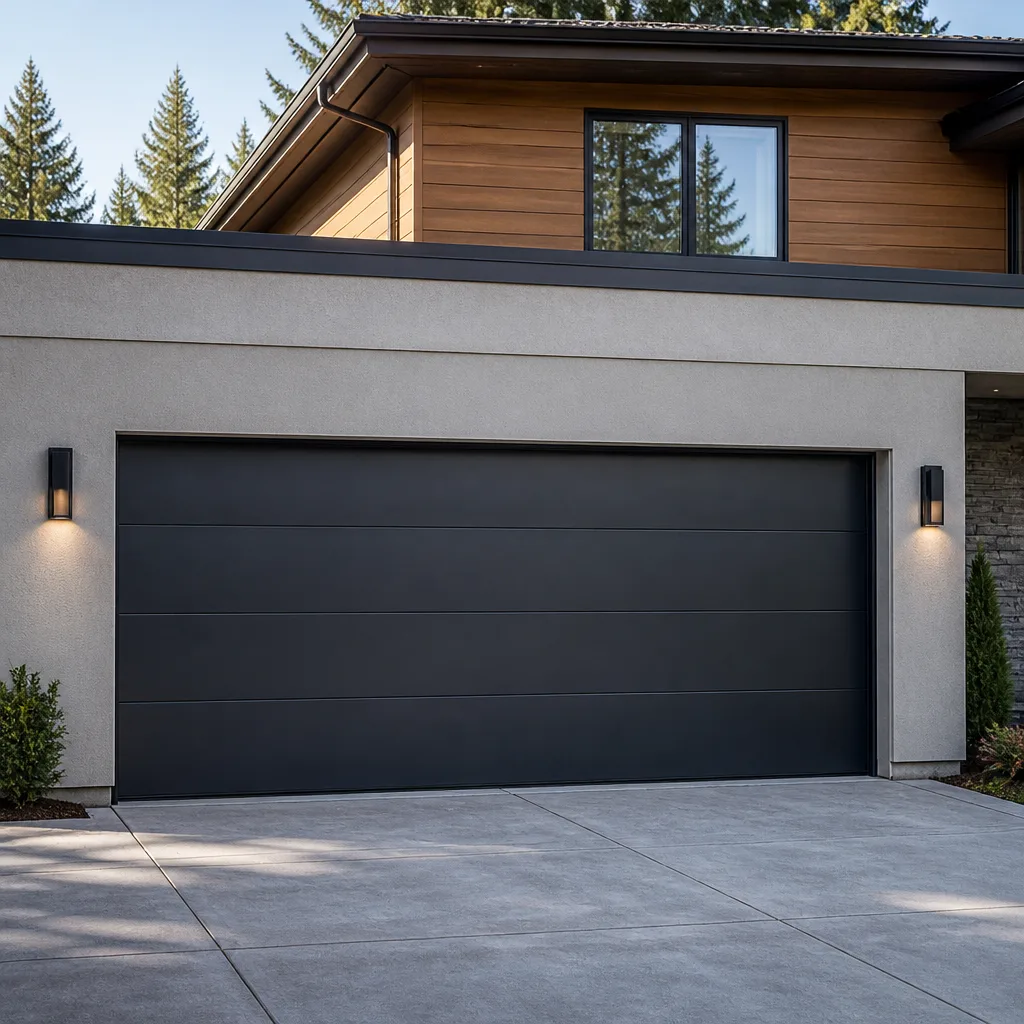 Modern flush
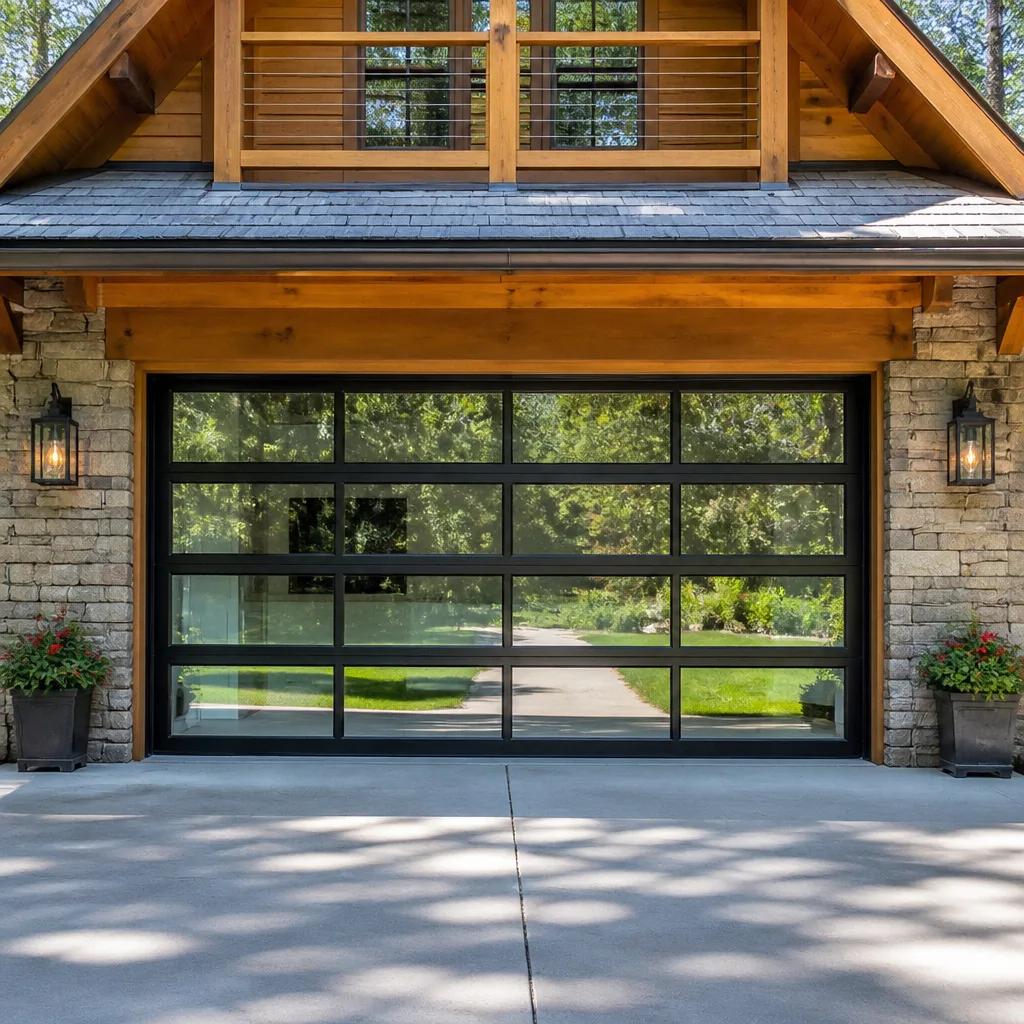 Full-view glass
 LiftMaster openers
 Chamberlain openers
Full 25-point door and opener safety check with every visit - springs, cables, rollers, tracks, and your LiftMaster or Chamberlain opener included
You get a price before we start. It does not change when the pro arrives.
Get your free estimateGarage Door Permits, Codes & Inspections in Port St. Lucie, FL: What You Need to Know
Most Port St. Lucie homeowners assume a garage door swap is simple carpentry: pull the old door, bolt up a new one, done by the weekend. That assumption trips people up because a garage door is one of the few parts of a home that is both a structural opening and part of the wind barrier protecting everything inside it. In Port St. Lucie, a door that isn’t rated and installed to county requirements can create real problems when you sell the house or file a storm claim. This guide walks through when a permit is actually required here, how to read a door’s Florida Product Approval number, what inspectors look for, and how the St. Lucie County permit process works.
Quick Answer
In Port St. Lucie and the rest of St. Lucie County, a garage door replacement generally requires a permit when the door is a new installation, a like-for-like swap with a different product, or any change to the opening, the track, or the wind-load rating of the door. You or your contractor must show the new door’s Florida Product Approval (FPA) number, and the county inspects the finished install to confirm the door, its anchoring, and its labeling match what was approved. Routine repair of springs, cables, panels, or openers is not a permitted activity.
Styles & brands we work with
- Raised-panel steel
- Carriage house
- Modern flush
- Full-view glass
- LiftMaster openers
- Chamberlain openers
Table of Contents
- When does a garage door replacement need a permit in Port St. Lucie?
- How to read and verify a Florida Product Approval number
- What inspectors actually check on a garage door install
- The St. Lucie County permit process, step by step
- Who can pull the permit, and what it costs
- How unpermitted door work surfaces during a real estate sale
- Why port St. Lucie’s wind exposure makes the rating matter
- Repair or replace? Where the permit line falls
When does a garage door replacement need a permit in Port St. Lucie?
A garage door replacement in Port St. Lucie typically needs a permit when any of four things is true: the door is a new installation on a new opening, you’re swapping one product for another product with a different make, model, or rating, the work involves changing the size of the opening or rebuilding the framing, or the new door has a different wind-load rating than the door it replaces. Repair work – swapping a broken spring, replacing a bent track section, changing out a roller, or fixing an opener – is not a permitted activity.
That distinction matters because homeowners often assume that “same size door, same opening” means no permit is needed. The county cares less about the size and more about whether the assembly still meets the wind-load requirement for the opening. A 16-foot-wide Clopay door rated for a given pressure and a 16-foot-wide Amarr door rated for a different pressure are not interchangeable from a code standpoint, even if they physically fit the same hole.
- Permit usually required: new door on a new build, full product swap with a different model, opening resized or reframed, door assembly changed (track, hardware, anchors), wind-rating upgrade or downgrade.
- Permit usually not required: spring replacement, cable replacement, panel section swap using the same approved model, roller and hinge service, opener service, trim and weather seal work.
If you’re unsure which side of the line your project falls on, the fastest answer comes from St. Lucie County Building & Code Compliance directly. We’ve learned it’s cheaper to spend five minutes asking than to find out during a sale, and it’s the same reason we walk Port St. Lucie homeowners through the permit question before a door is ordered rather than after.
How to read and verify a Florida Product Approval number
Every garage door sold new in Florida that is used in a wind-borne debris region carries a Florida Product Approval number, usually printed on a label bonded to the door panel or included in the manufacturer’s installation documents. The FPA is not the same as a model number. The model tells you which door it is; the FPA tells you which specific configuration – door size, panel construction, glazing, anchor type, and design pressure – has been tested and approved for use in Florida.
Here’s how to read and verify one before you buy:
- Find the FPA number. Look on the door’s label, in the owner’s paperwork, or on the manufacturer’s spec sheet. Copy the exact number including any revision letter.
- Note the configuration. The same door model can be approved in more than one size, panel style, or wind rating. Your quote needs to list the specifics that match the FPA.
- Look up the number. Florida’s Building Code Information System, hosted by the Department of Business and Professional Regulation (DBPR), publishes the approved product list. Search by FPA number and pull the evaluation document.
- Confirm design pressure. The document will show the design pressure rating and any conditions of approval – anchor spacing, reinforcement requirements, maximum door width, and wind-zone limitations. Compare that to what your job actually needs.
- Keep the paperwork. Save the FPA number, the spec sheet, and the install instructions with your home records. An inspector or appraiser may ask for them, and having them ready avoids an unnecessary delay.
Verify before the door is ordered. Once a door is unloaded on a driveway in Port St. Lucie, it is a lot harder to sort out a mismatch than it would have been at the paperwork stage.
What inspectors actually check on a garage door install
The county inspection is shorter than most homeowners expect. An inspector generally looks at four things: whether the door installed matches the approved permit documents, whether the labeling on the door is intact and readable, whether the anchoring and hardware installed match the manufacturer’s instructions for that specific product, and whether the door operates safely under normal use. Everything else – spring balance, track alignment, panel alignment – is caught here when it’s off.
Two failure reasons come up again and again:
- Label missing or painted over. The door arriving with its FPA label removed, obscured, or painted during installation is a common reason for a failed inspection. The label is what ties the installed product back to the approved document. If the door is going to be repainted, protect the label or photograph it first.
- Anchor pattern wrong for the opening. Manufacturers publish different anchor schedules depending on door width and design pressure. If the installer uses a generic pattern or a faster method instead of the published schedule, the install fails. Getting the anchors right is the whole point of a wind-rated door; the door is only as good as its connection to the house.
We want to be direct here: high-tension springs and tensioned cables are genuinely dangerous, and nobody should be adjusting or replacing them on their own. If a spring is involved, step back and call a trained technician. The same is true for the door’s anchoring and adjustment work on a newly installed door – the consequences of getting it wrong on a permitted install aren’t just an inspection failure.
The St. Lucie County permit process, step by step
The permit for a residential garage door replacement in Port St. Lucie is handled through St. Lucie County Building & Code Compliance. The workflow is straightforward once you know the sequence, and the biggest delays come from missing paperwork, not from the review itself.
- Confirm the scope. Decide whether the job is a repair (usually no permit) or a replacement (usually permit required). If the door assembly is changing in any way, treat it as a replacement.
- Select the door and get the FPA number. Work with a supplier or installer who can hand you the product approval document for the exact configuration being quoted.
- Submit the application. The application typically asks for the property address, the scope of work, the contractor’s information, the door’s FPA number, and a copy of the manufacturer’s installation instructions. Some submittals also need a product data sheet showing design pressure.
- Pay the permit fee. Fees vary by value of work and by jurisdiction, and they are set by the county’s fee schedule, not by your contractor. Ask for the fee in writing before work begins.
- Complete the installation. The installer should keep the FPA label intact and follow the manufacturer’s anchoring schedule for that specific door and opening.
- Call for inspection. After install, the county inspector reviews the door, its labeling, and the anchoring. Most residential door inspections are scheduled as a single visit after the installation is complete.
- Close the permit. Once the inspection passes, the permit is closed. Keep the signed-off paperwork with your home records – this is what proves the work was permitted when you eventually sell.
Turnaround times shift with the county’s workload, so ask Building & Code Compliance for the current review timeline when you submit. In Port St. Lucie, the residential permit route for a garage door is on the simpler end of the spectrum; it’s the door selection and paperwork that take the most attention.
Who can pull the permit, and what it costs
The permit for a garage door installation in Port St. Lucie can be pulled by a licensed contractor or by the homeowner acting as an owner-builder on their own primary residence. When a contractor pulls the permit, the work is registered under their license, and the inspection record attaches to them – which is one of the reasons a permitted job is worth more than an unpermitted one when a buyer asks questions.
Costs break into two buckets:
- County permit fee. Set by St. Lucie County’s published fee schedule and based on the scope and value of the project. Ask the county or your contractor for the figure in writing before signing anything.
- Door, hardware, and installation. Priced separately by the door supplier or installer. Tundra Garage Door Repair quotes per job, and the written estimate sets the final price – the number you agree to before any work starts is the number you pay, with no surprises at invoice time.
If a contractor quotes you a project price that doesn’t include the permit when a permit is required, ask why. A quoted price that quietly skips the permit is not a discount; it’s somebody else’s problem later. Our technicians have up to 12 years of experience and we’ve seen how a shortcut on the permit side comes back around at resale. Ask for the written quote, ask whether the permit is included, and ask for the FPA number for the door being proposed. Any installer who’s doing this work by the book will have those answers ready.
If you’re still deciding whether your situation is a garage door repair issue or a replacement, the permit question often settles it: repair work stays inside the existing approved assembly, replacement work changes it.
How unpermitted door work surfaces during a real estate sale
Unpermitted garage door work rarely causes a problem the day it’s done. It causes a problem the day the house is sold. Buyers and their agents ask for a permit history, and any work performed on a wind-load system that has no record behind it becomes a negotiating point at exactly the wrong moment for the seller.
Here’s how the issue typically surfaces:
- A permit search turns up a missing record. The listing agent, buyer’s agent, or closing company pulls the county permit history and finds work that was clearly done but was never permitted.
- The buyer’s inspector flags the door. A garage door with no visible FPA label, or an installation that doesn’t match the county’s typical detail, catches the inspector’s eye.
- The lender’s underwriter asks for a corrected record. Depending on the loan type, an unpermitted wind-load change can delay closing until the seller resolves the situation.
- The seller pays for resolution, not the original installer. Once a house is in the sale process, the cost of putting things right – permitting retroactively where allowed, correcting the install, or removing and reinstalling the door – lands on the seller.
We bring this up because a garage door replacement is one of those projects that looks small and can create an outsized problem if the paperwork isn’t handled. Skip the paperwork and the door still looks great. It’s the future transaction that gets complicated. A permit here is a lot cheaper than the buyer-side demand six months from now.
One more local note: real estate activity in Port St. Lucie is steady, and buyers moving here from other states often come in with a list of inspection questions that assume stricter documentation. When the permit record is clean, the garage door conversation takes thirty seconds. When it isn’t, it can extend the closing timeline. For homeowners in neighborhoods around the Port St. Lucie area, keeping that record clean is worth the small extra step.
Why Port St. Lucie’s wind exposure makes the rating matter
Port St. Lucie sits in an area where high wind events are a normal part of homeownership. When a garage door is not rated to the pressure that opening requires, the wind-rated assembly that surrounds it is only as strong as its weakest piece. A single unrated door opening can compromise the structural envelope in a way that an inspector, an insurance adjuster, and a homeowner will all care about at the same time.
That’s the reason door ratings are treated as more than a paperwork exercise here. Three practical points follow:
- Rating is per opening. Two garage doors on the same house can require different ratings if the openings differ, so it isn’t safe to assume the rating on one door applies to the other.
- Rating is per product configuration. The FPA for a door approved at one width and one panel set doesn’t automatically approve a different width or a different panel style. Confirm the specific configuration.
- Rating is per installation. The approved anchoring detail matters as much as the door itself. The door and its anchor pattern are one system.
We work across the brands most commonly installed in homes around Port St. Lucie, including Clopay, Amarr, Chamberlain, and Genie. When we’re asked to quote a replacement, we build the FPA number into the quote so you know exactly what rating and configuration is being proposed before the door is ordered. Your insurer will want to see the rating on the documents, and so will an inspector. Getting both of them the same answer comes from the same piece of paper.
Repair or replace? Where the permit line falls
Most of the calls we take in Port St. Lucie are for a door that’s stopped working, not for a door that needs replacing. Springs break, cables fray, openers fail, panels get dented. Fortunately, most of those are repair calls, and repair work does not trigger the permit process. That’s the clean boundary: altering the door’s approved assembly means permit; restoring the existing assembly to working condition doesn’t.
Where it gets fuzzy:
- A damaged panel. Replacing a section with the same model and the same configuration is generally a repair. Swapping in a different panel type or a different model is treated as altering the assembly.
- A damaged track or hardware. Replacing track and hardware with the same manufacturer’s specified parts is generally a repair. Changing the track layout or the anchor pattern is closer to a replacement.
- A dead opener. Opener replacement is a mechanical/electrical job that doesn’t need a building permit. It still needs to be sized correctly for the door it’s lifting.
- An old door at end of life. When a door is beyond panel and hardware repairs, replacement is the answer, and the permit question starts applying again.
If you’re unsure which way your project goes, describe the state of the door over the phone and we’ll tell you what’s likely. Our garage door opener repair work stays on the repair side of the line, and a door replacement sits on the permit side. There is a legitimate case to repair rather than replace even when replacement looks appealing, and vice versa – but the choice should be based on the door’s actual condition, not on avoiding paperwork.
Common Mistakes to Avoid
- Assuming “same size” means “no permit.” A new door model with a different rating still needs a permit even if it physically fits the same opening. The permit is about the assembly, not the dimensions.
- Ordering the door before checking the FPA. Confirm the product approval number matches the exact configuration your job needs before the order is placed. A mismatch discovered after delivery is a problem.
- Letting the door get painted over. The FPA label needs to stay readable for the inspector. If you’re repainting, protect or photograph the label first.
- Using a generic anchor pattern. The manufacturer’s anchoring schedule for the specific door and opening is what the inspector will compare against. A shortcut here fails the inspection and weakens the install.
- Skipping the permit because the installer called it a “repair.” If the door assembly is changing, the county treats it as a replacement regardless of what’s on the invoice. The work is the work.
- Not saving the closeout paperwork. The signed-off permit record is one of the most useful documents you’ll own when you go to sell. Keep it with your home records, not in a folder that lives in the garage.
- Attempting spring work on a permit-driven install. High-tension springs can cause serious injury. A trained technician handles the springs; the permit is what makes sure the door and the installation end up correct.
See the difference
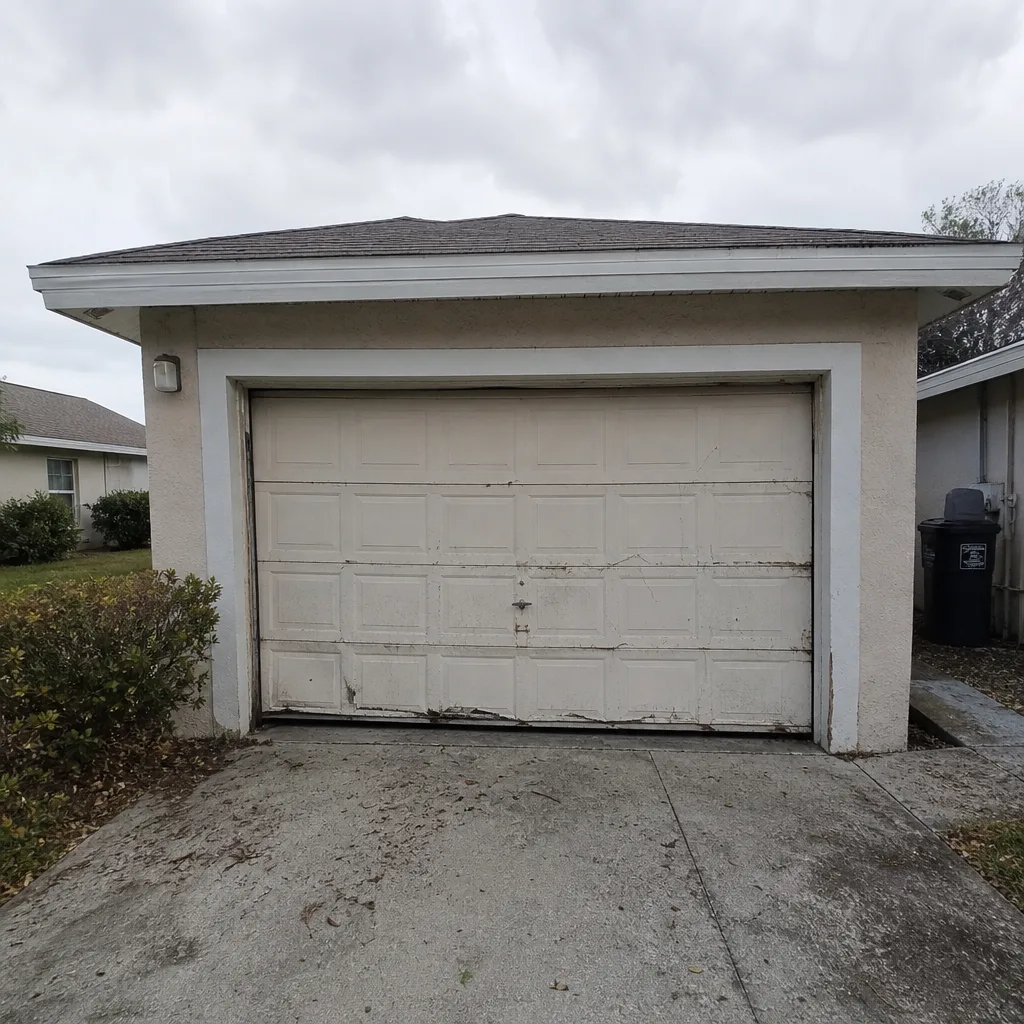 Before
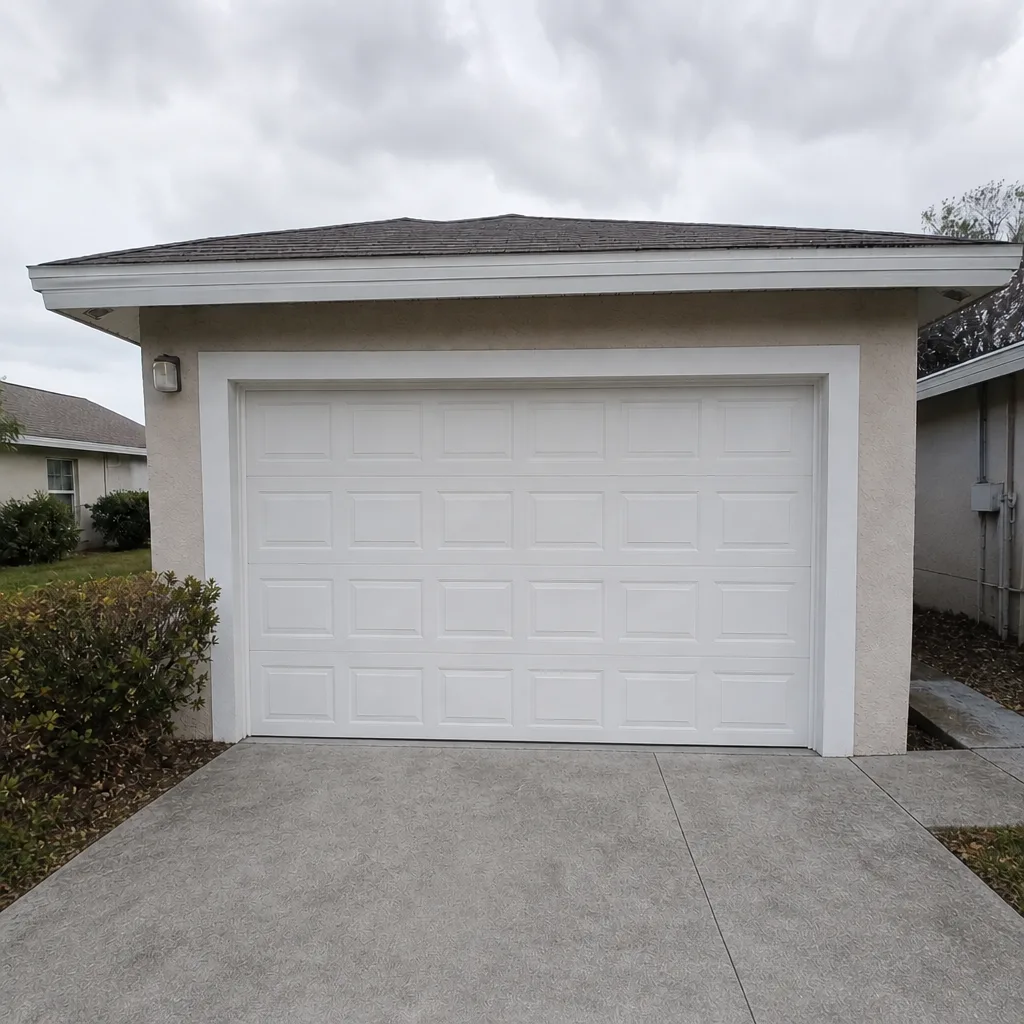 After
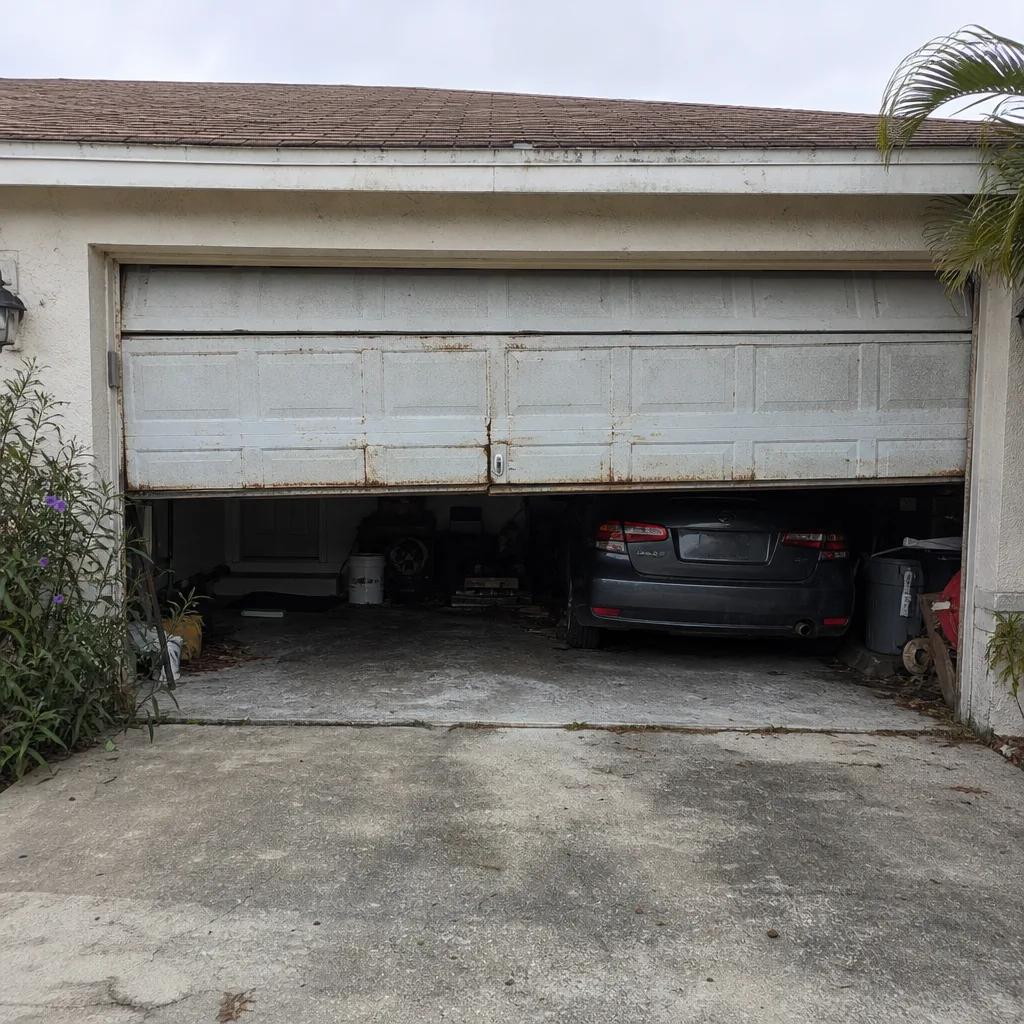 Before
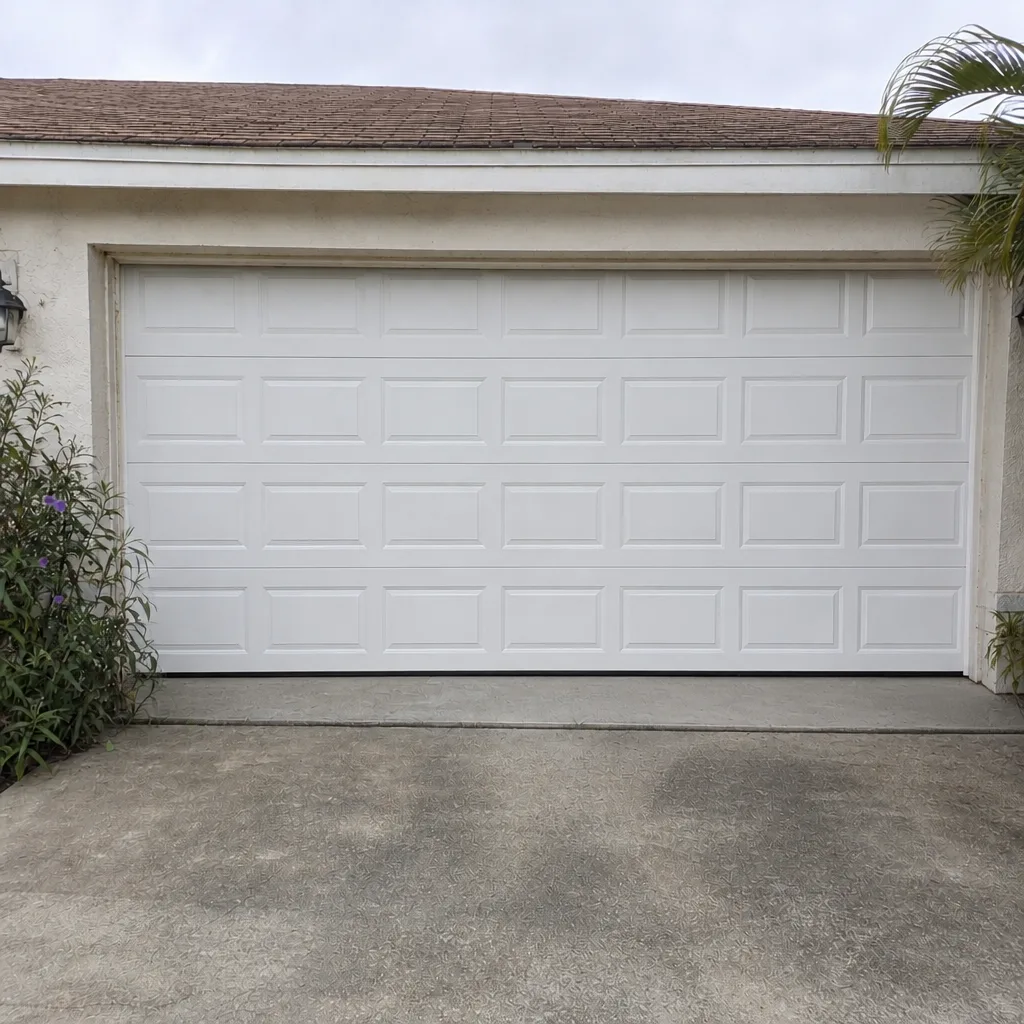 After
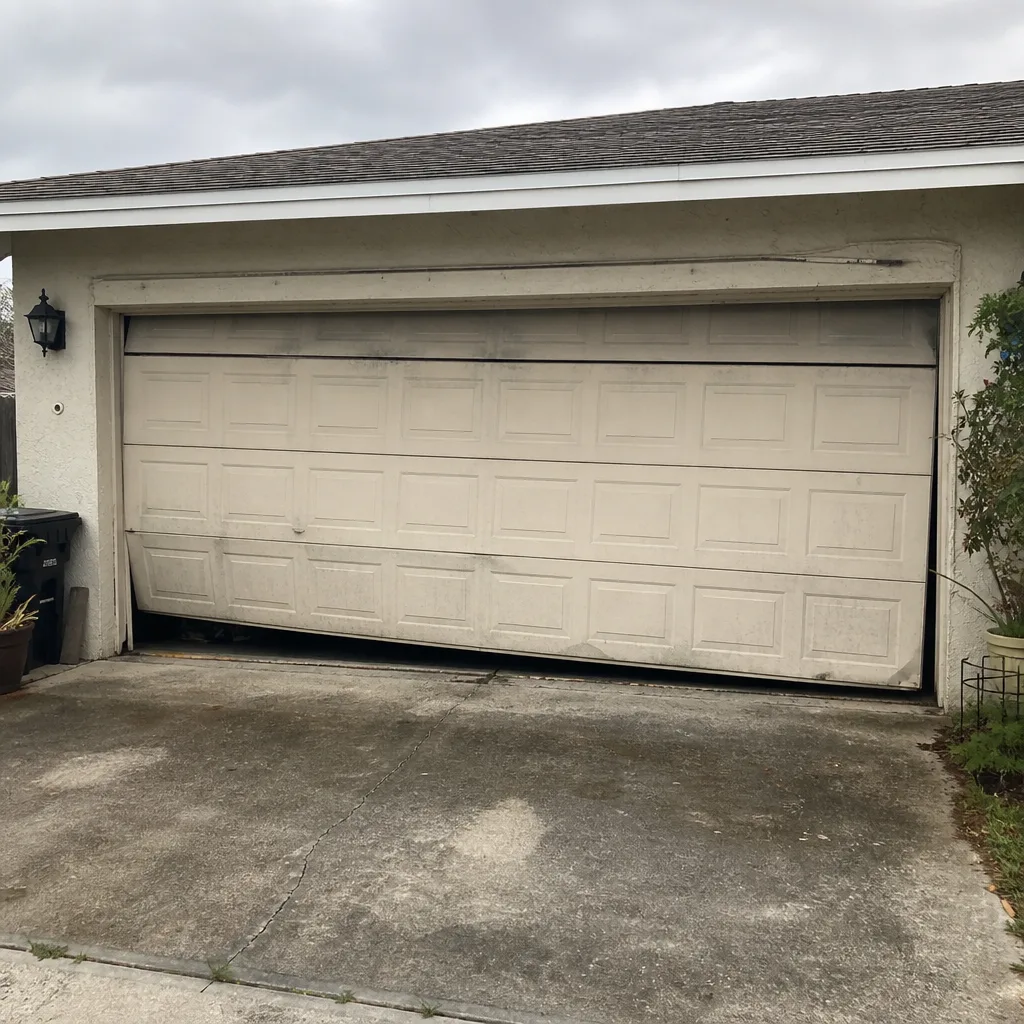 Before
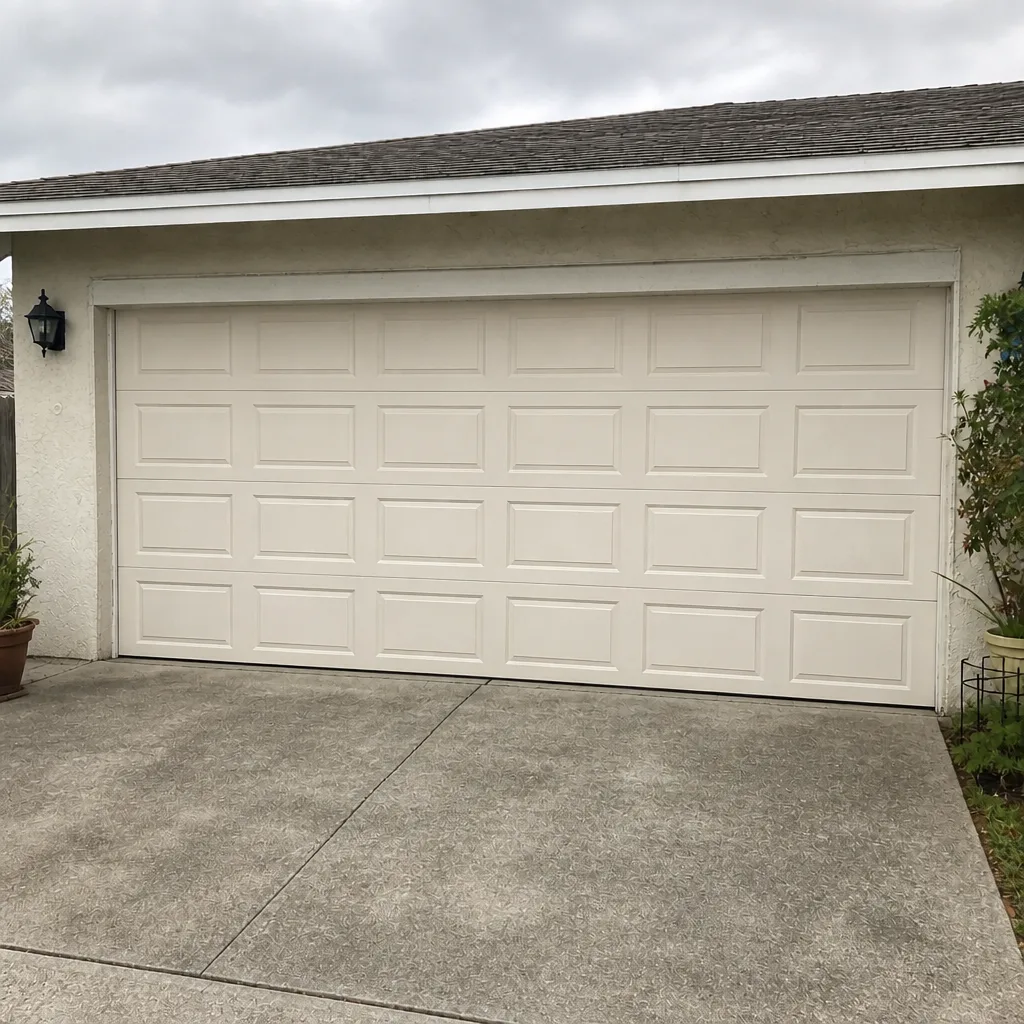 After
When to Call a Professional
Call a professional when a spring or cable has failed, when the door has come off track, when an opener is dead or behaving unpredictably, when a panel is damaged and you’re unsure whether the fix is a repair or a replacement, and when you’re considering a full door replacement and need to know what permit and rating your opening requires. Call before you buy the door, not after. We hold to the industry’s major brands, including Clopay, Amarr, Chamberlain, and Genie, which means most Port St. Lucie homeowners are working with a system we already know well. Tundra Garage Door Repair offers free estimates in Port St. Lucie. Call (833) 847-0310 for a free estimate.
Frequently Asked Questions
Usually yes. A garage door replacement in Port St. Lucie typically requires a permit through St. Lucie County Building & Code Compliance when the door is a new installation, when it’s a swap to a different product, or when the opening or the door’s wind-load rating is changing. Routine repair work on springs, cables, panels, or openers does not require a permit. Call (833) 847-0310 for an exact quote on the work itself – estimates are free.
A Florida Product Approval (FPA) number is the identifier for a door configuration that has been tested and approved for use in Florida. It matters because the permit office and the inspector will tie the installed door back to that approved number, and your homeowner’s insurance may look at the rating when the door is a factor in a claim. You can verify an FPA number on the DBPR’s Building Code Information System. If you’re not sure which door is approved for your opening, call (833) 847-0310 – estimates are free.
A licensed contractor can pull the permit on your behalf, or a homeowner can apply as an owner-builder on their own primary residence. The permit is registered under whichever party pulls it. Most homeowners prefer to have the installer pull the permit so the inspection record attaches to licensed work. Call (833) 847-0310 to talk through the permit path for your door – estimates are free.
The two most common failures are a missing or obscured FPA label on the installed door, and an anchor pattern that doesn’t match the manufacturer’s published schedule for the door and opening. Both are preventable with attention at the install stage. If an inspection fails, the correction is not complicated, but it delays closing out the permit. Call (833) 847-0310 for an exact quote on any corrective work – estimates are free.
Yes, it can. Unpermitted work on a wind-load system tends to surface during the buyer’s due diligence – either through a permit history search or an inspection. The cost of resolving it usually lands on the seller at the least convenient time. Call (833) 847-0310 for an exact quote if you need to bring a door up to code – estimates are free.
Not usually. If the door model, rating, or any part of the assembly is different from what was originally approved, the county treats it as a replacement. The only reliable way to know is to check the product approval on the new door against the one on the old door, and to ask St. Lucie County Building & Code Compliance when in doubt. Call (833) 847-0310 for a free estimate on the installation side – we’ll help you line up the paperwork question separately.
The Bottom Line
The permit question for a garage door in Port St. Lucie is not about the county being difficult. It’s about the door being the part of your home that protects the rest of it from wind. The rule is simple to remember: repair work generally doesn’t need a permit, and replacement work generally does. When a replacement requires a permit, the paperwork to get right is short – the FPA number, the manufacturer’s install instructions, the anchoring schedule, and the signed-off inspection. Keep all four, and the door is documented for as long as you own the house. Skip any of them, and the missing piece lands on you later. Our technicians have up to 12 years of experience across LiftMaster, Chamberlain, Genie, Clopay, Amarr, Wayne Dalton, Craftsman, and Raynor systems, which means whether you’re repairing a spring today or replacing a full door this season, we already know the brand on your house. If you’re ready to move, or you want a straight answer on your specific door, we’re easy to reach.
Call (833) 847-0310. We answer 24/7. Fast dispatch from 7am to 7pm, Sunday through Friday. The estimate is free, the price is set by the written estimate, and the number you agree to is the number you pay. If you’d like the full picture of what we do, start at Tundra Garage Door Repair and we’ll point you to the right service.
Written by the team at Tundra Garage Door Repair.